.png)





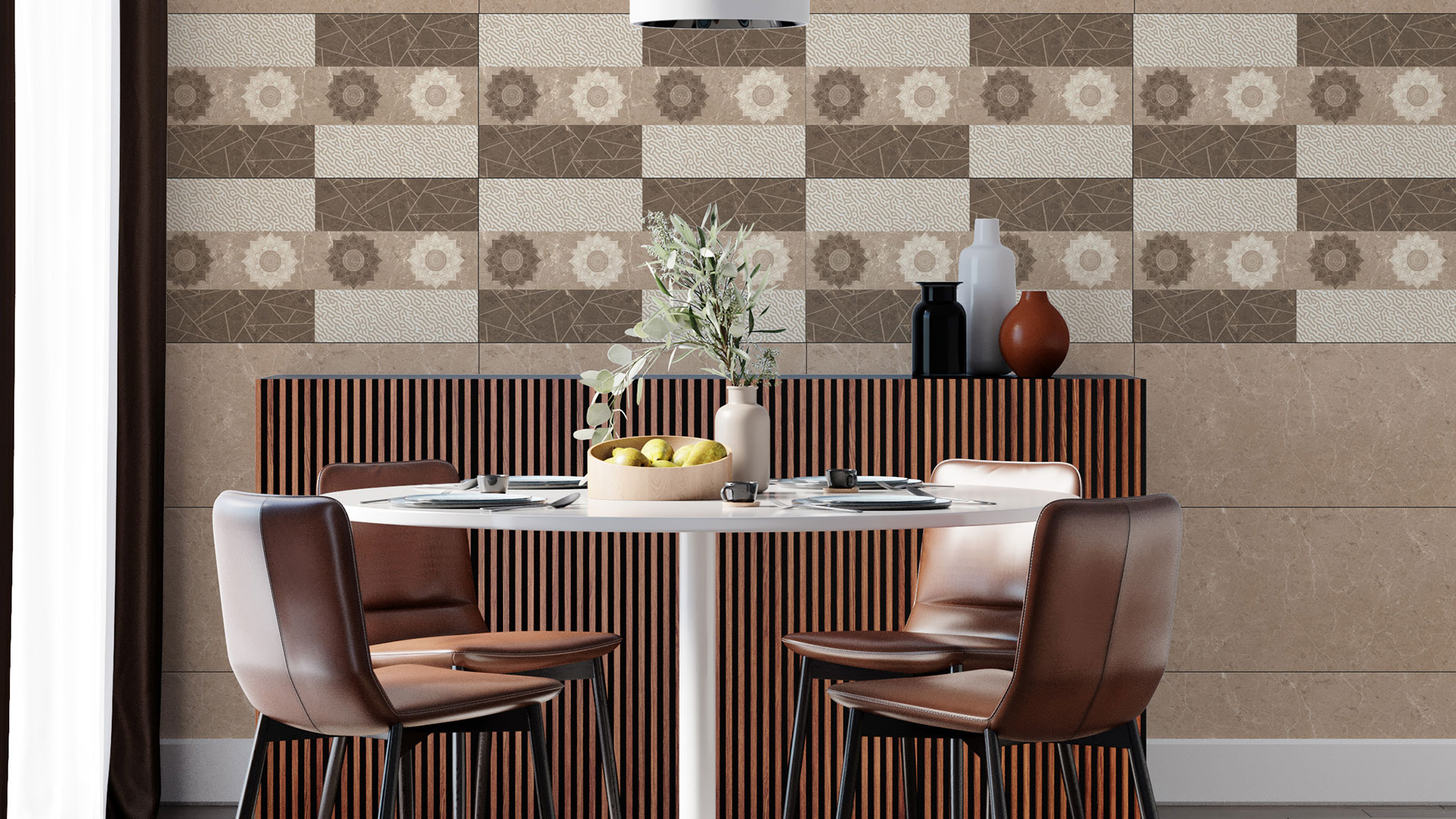
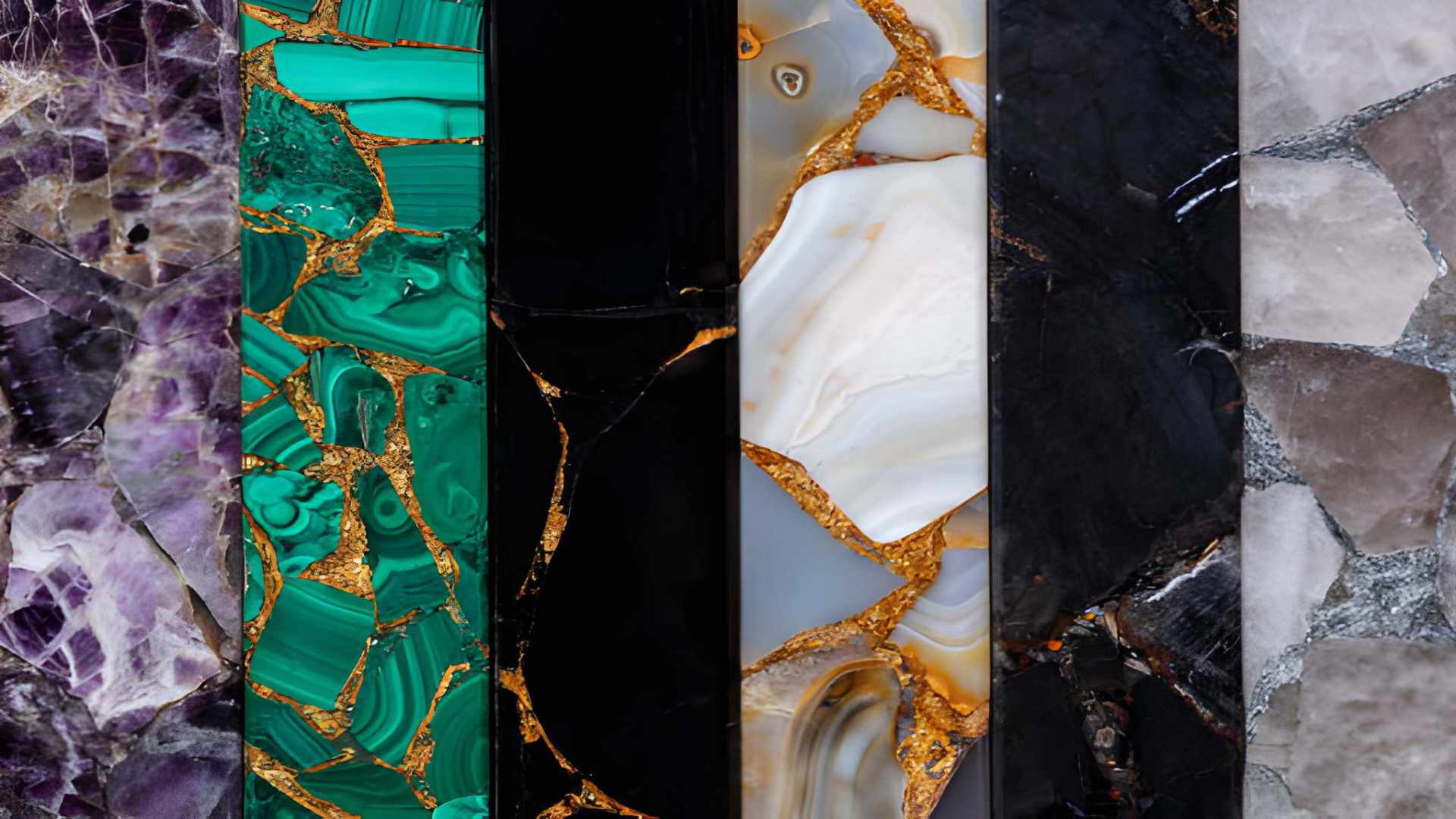
Marble Texture Tiles: A Demonstration of Elegance
Introduction: Marble is a texture that is a popular choice for many uses, such ...
/ 14 June 2026
Choosing the right floor tiles size can completely transform how a room looks and feels. Too small and the space may feel busy and dated. Too large and the tiles might not even fit properly without excessive cutting. It is one of those decisions that seems simple at first, but once you start looking at all the options, it can feel overwhelming.
Whether you are renovating a flat in Dhaka, building a new home in Chittagong, or updating a bathroom in Sylhet, this guide will walk you through everything you need to know about floor tile sizes. We will cover which sizes work best for different rooms, how tile dimensions affect your flooring layout, and what real homeowners and tile professionals recommend.
By the end of this article, you will know exactly which floor tile size is right for your space and budget.

Most people focus on tile colour and pattern when shopping for floor tiles. But tile size is actually one of the most powerful design tools you have. The right size can make a compact room feel open and airy. The wrong size can make a large, beautiful space feel choppy and uncomfortable.
Here is why tile dimensions deserve serious attention before you make any purchase:
• Larger tiles create fewer grout lines, making floors look cleaner and more continuous
• Smaller tiles give you more design flexibility but require more labour to install
• The proportion of tile to room size affects the perceived scale of the entire space
• Tile size directly impacts how much waste and cutting is needed during installation
• Wrong sizes can lead to poor flooring layout and awkward cuts near walls
In Bangladesh, most households prefer tiles that are easy to maintain and visually appealing year-round. Given the warm climate and everyday dust levels, tile size also plays a role in how easy your floors are to keep clean.
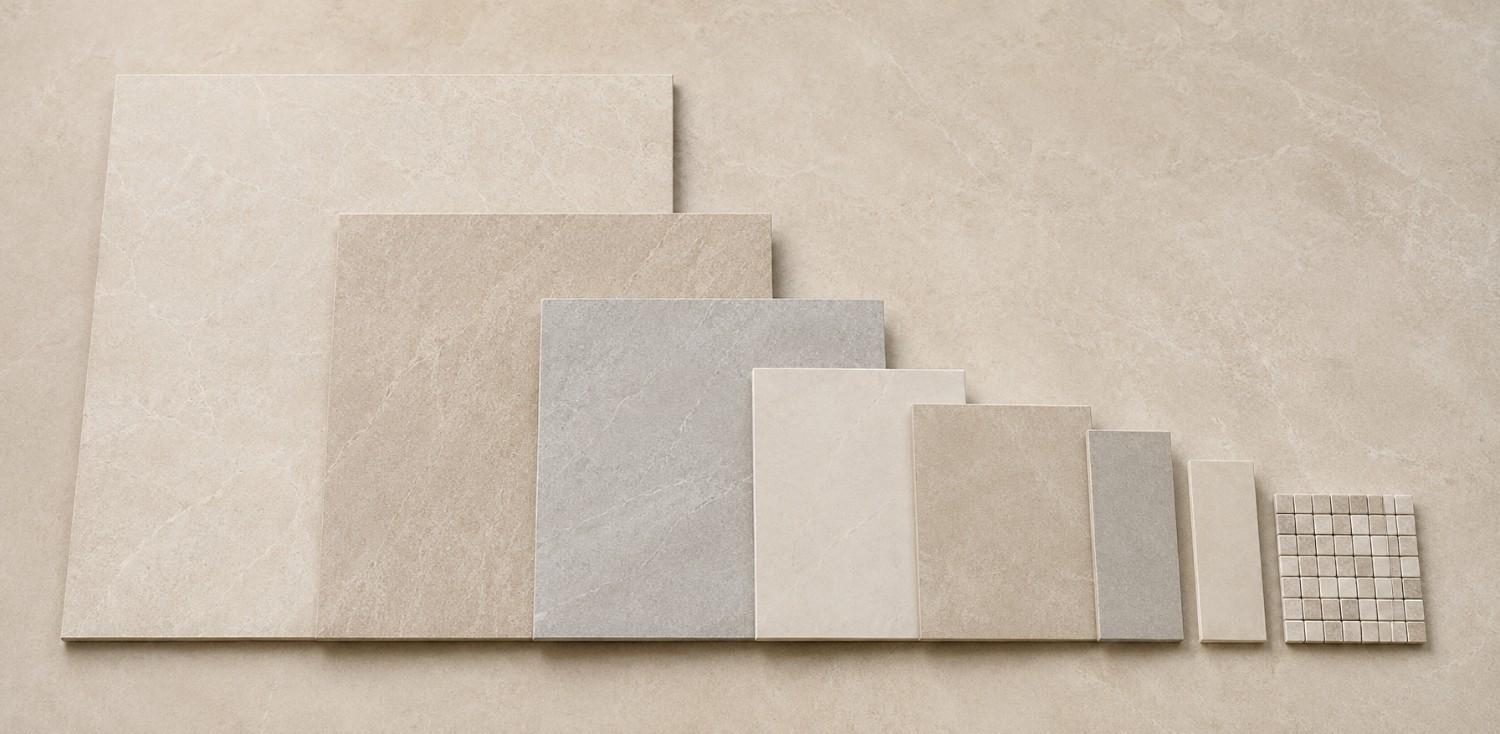
Floor tiles come in a wide range of standard sizes. Tile manufacturers in Bangladesh and internationally produce tiles in specific dimensions to suit different installation needs. Here is a breakdown of the most common floor tile sizes you will find in the market:
This classic square size has been popular for decades. It is a go-to option for bathrooms, laundry rooms, and utility spaces. Small floor tiles in this range are easy to cut, easy to handle, and widely available in tile shops across Bangladesh at affordable prices.
Best for: Small bathrooms, balconies, utility areas
• Creates a traditional, grid-like aesthetic
• Works well in spaces under 100 square feet
• More grout lines mean more cleaning effort over time
• Forgiving on uneven subfloors due to smaller surface area
These are among the most versatile tile dimensions in the market. The 30x60 cm rectangular format is particularly popular in Bangladeshi homes because it mimics the look of wooden planks while offering the durability of ceramic or porcelain. The 45x45 cm square is a solid middle-ground option.
Best for: Kitchens, medium bathrooms, corridors, service areas
• Rectangular tiles create dynamic flooring layout options like herringbone or brick bond
• Easier to handle than large format tiles
• Offers a modern yet timeless look
• Good balance between installation speed and visual impact
The 60x60 cm tile has become one of the most popular floor tile sizes in Bangladeshi homes over the last decade. It strikes the perfect balance between visual impact and ease of installation. These large tiles work beautifully in living rooms, dining areas, and master bedrooms.
Best for: Living rooms, bedrooms, dining areas, open plan spaces
• Fewer grout lines for a sleek, modern look
• Makes medium and large rooms feel more spacious
• Available in many finishes including matte, glossy, and textured
• Widely stocked in Bangladesh tile markets at competitive prices
Extra large tiles are increasingly popular in high-end homes and commercial properties across Bangladesh. They create a dramatic, luxury feel with very few visible grout lines. However, they require skilled installation and a very flat, well-prepared subfloor.
Best for: Large living areas, open floor plans, commercial lobbies, luxury homes
• Creates a seamless, almost continuous floor surface
• Significantly reduces grout lines and maintenance
• Requires precision cutting and experienced tilers
• Can appear overwhelming in rooms smaller than 200 square feet
At the other end of the spectrum, mosaic tiles and small decorative formats bring texture and artistic flair to floors. These tiny tiles are typically sold on mesh-backed sheets for easier installation. In Bangladesh, they are common in wet areas, prayer rooms, and as decorative accents.
Best for: Wet areas, bathrooms, pool surrounds, accent strips, prayer spaces
• Excellent slip resistance due to many grout lines providing grip
• Great for curved surfaces and irregular spaces
• Requires professional grouting for best results
• Available in glass, ceramic, and natural stone
Use this chart to quickly identify which tile size suits your room:
Every room in your home has different needs. Here is a room-by-room guide to help you make the smartest choice for your flooring layout:
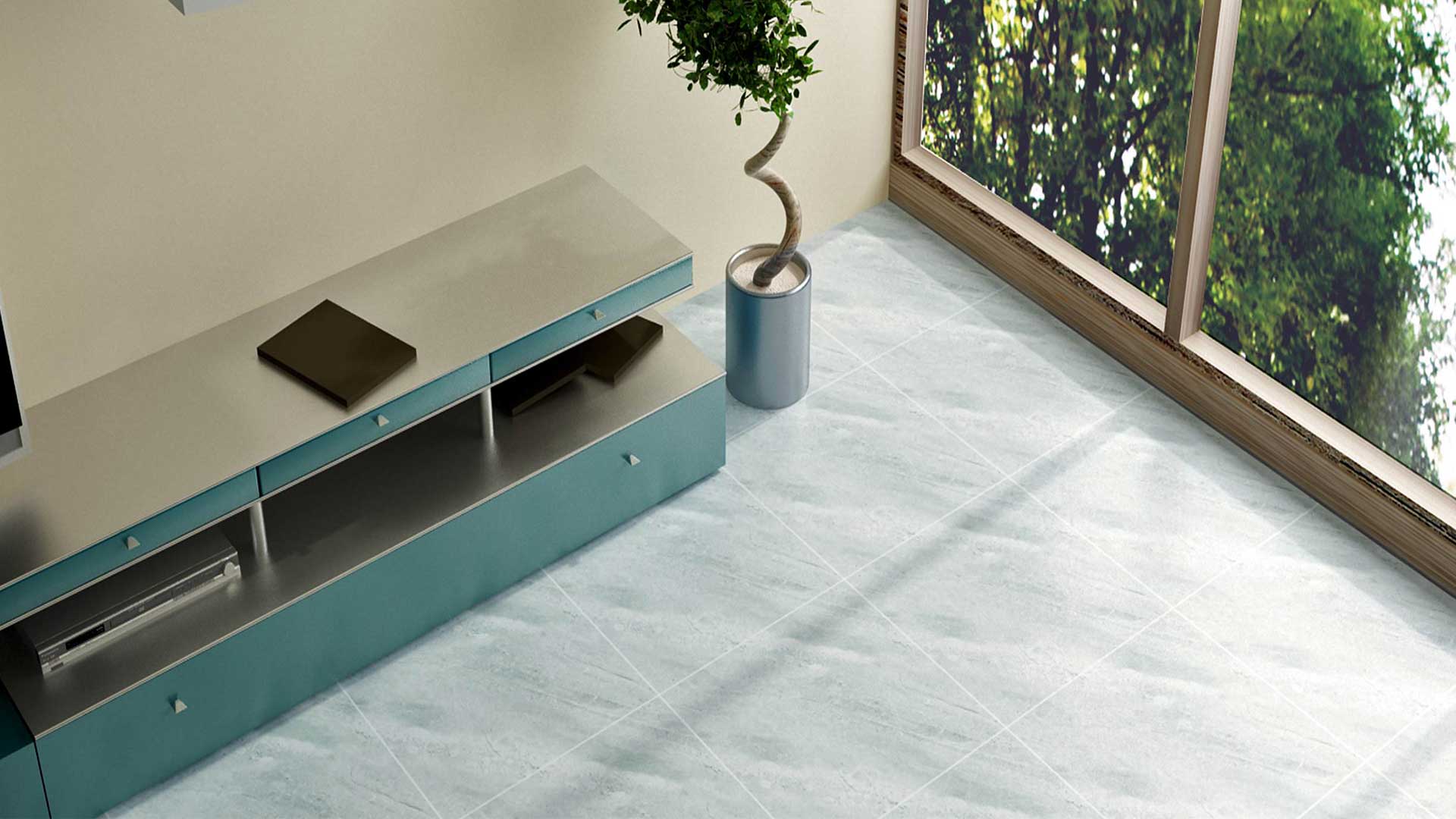
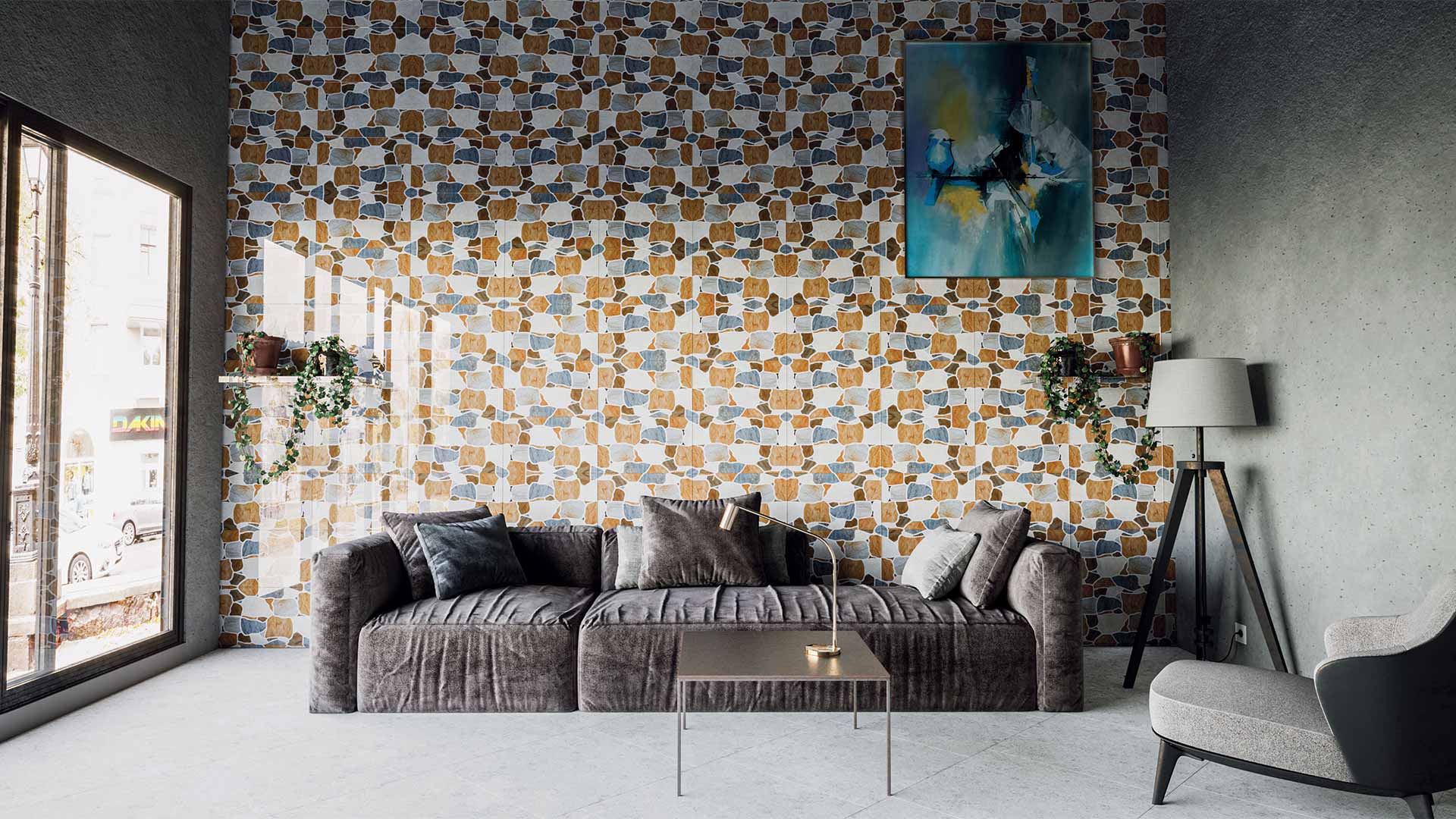
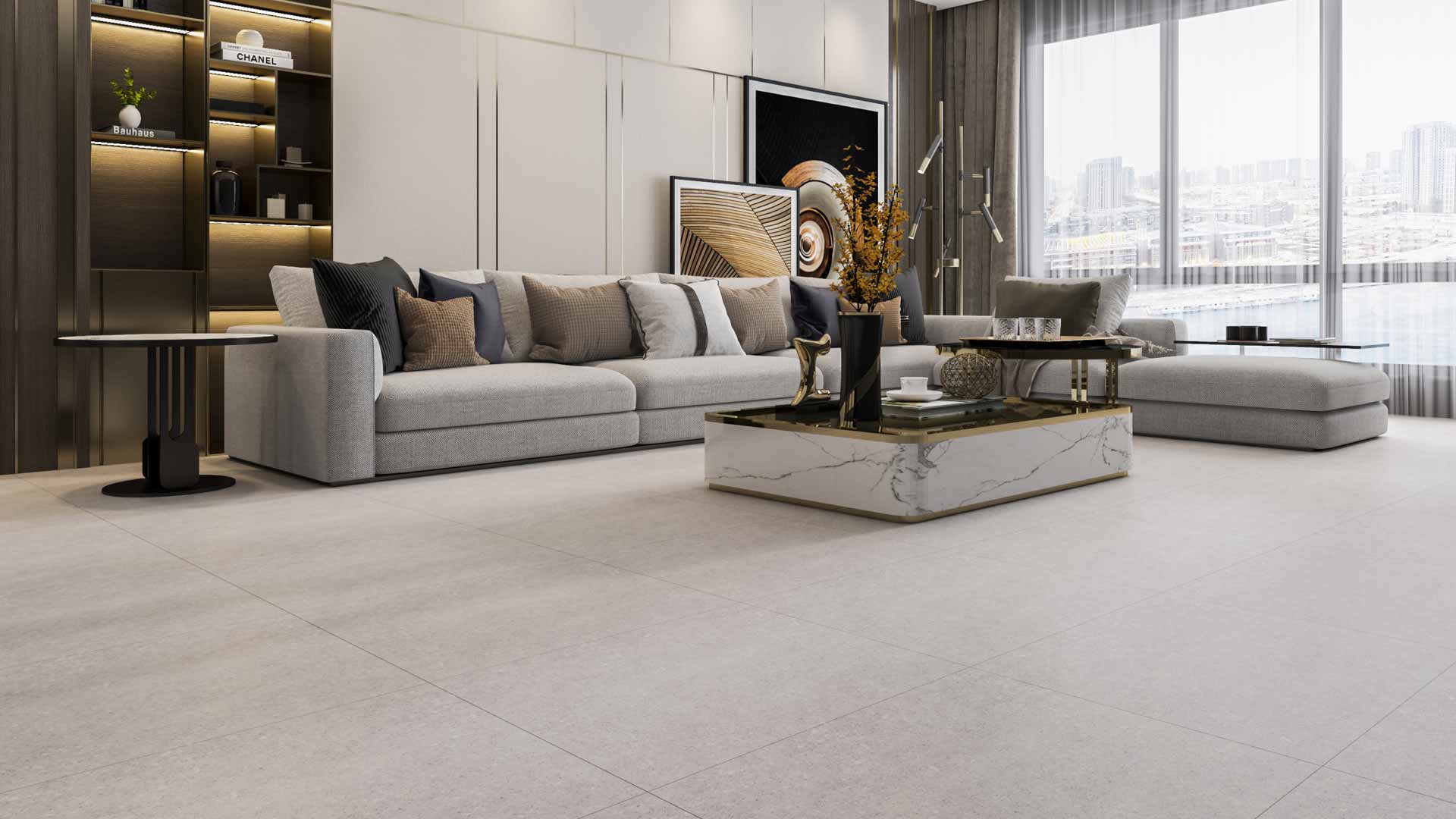
Living rooms are the showcase of any home. In Bangladesh, where guests are frequently welcomed, the living room floor must look impressive. Large tiles from 60x60 cm to 80x80 cm work best here. They create an open, elegant feel that suits both modern and traditional interior styles.
Pro tip: If your living room is smaller than 150 square feet, stick to 60x60 cm. Going bigger risks the tiles looking disproportionate or requiring too many cuts near the edges.
Bedrooms are personal spaces where comfort matters. Large tiles are equally suitable here, but many homeowners prefer 60x60 cm over larger formats because they are easier to work with around furniture legs and wardrobes. A matte finish is often preferred in bedrooms as it reduces glare and feels warmer underfoot.
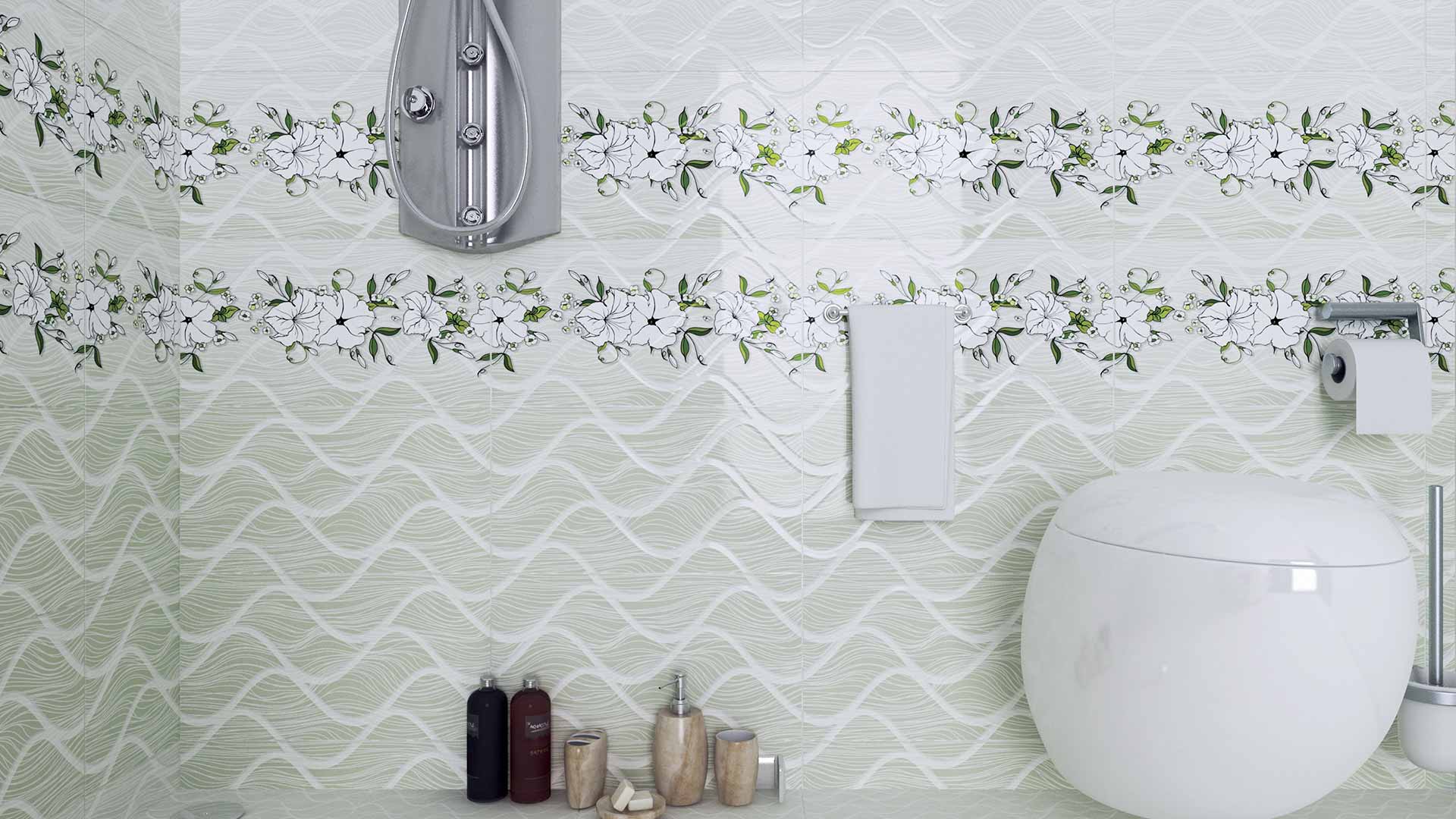
Bathrooms in Bangladesh typically range from very small to medium-sized. For compact bathrooms, 30x30 cm or 30x60 cm tiles are ideal. For larger bathrooms or wet rooms, 60x60 cm works beautifully. Always choose tiles with a slip resistance rating of R10 or higher for bathroom floors to ensure safety.
Small floor tiles are actually safer in wet areas because the additional grout lines provide more grip. This is especially important in homes with elderly family members or young children.
Kitchen floors need to handle spills, heavy foot traffic, and constant cleaning. A 30x60 cm or 45x45 cm tile is ideal here. Avoid very large tiles in the kitchen as they can be harder to keep clean around grease and food residue. A textured or matte finish is also more practical than glossy in this space.
Balconies and outdoor spaces in Bangladesh must handle monsoon rain and intense sunlight. For these areas, 30x30 cm anti-slip tiles or textured 30x60 cm tiles are the recommended choice. Larger tiles are not ideal outdoors because temperature fluctuations can cause tiles to crack if the substrate is not perfectly prepared.
One of the most fascinating aspects of tile design is how tile dimensions can visually manipulate the perception of space. Interior designers use this knowledge to make rooms look bigger, longer, or more balanced:
• Lay tiles diagonally to make a small room feel larger and add visual interest
• Use rectangular tiles lengthwise in a narrow corridor to make it appear longer
• Choose large format tiles in an open plan to unify two areas into one seamless space
• Mix tile sizes by using a larger field tile and smaller border tiles for a custom, designer look
• Match tile colour to grout to reduce the visual grid effect and enhance the continuous floor appearance
These techniques are widely used in room design projects by architects and interior designers in Dhaka and other major cities in Bangladesh. Understanding them helps you make a more informed decision even before speaking to a professional.
Once you have chosen your tile size, the next critical step is planning your flooring layout. This is where many homeowners make costly mistakes. Here are the key considerations:
Before buying tiles, measure the length and width of your room precisely. Calculate the total square footage and add a 10 to 15 percent buffer for cuts, breakage, and future repairs. In Bangladesh, tile prices vary by brand and quality, so buying slightly extra upfront is much cheaper than making a second trip to match the same batch later.
The standard professional method is to start tiling from the centre of the room and work outwards. This ensures that any cut tiles at the edges are equal in size and the pattern remains symmetrical. Starting from a corner often leads to awkward, tiny cuts on the opposite side.
Large tiles near doorways may require significant cutting. Plan your layout so tiles cross doorways at their widest point, reducing the visual interruption. This is especially important with large 80x80 cm or 120x60 cm tiles.
Large format tiles demand a very flat subfloor. Any dips or humps larger than 3mm over a 2-metre span will cause large tiles to rock or crack. In older buildings in Bangladesh, subfloor levelling may be required before installation of large format tiles.
Having spoken with tile dealers and contractors in Dhaka, Chittagong, and Sylhet, a clear picture emerges of what works best in the local context. Here are the sizes that dominate the Bangladeshi tile market:
• 60x60 cm is the single most popular size for living rooms and bedrooms in middle and upper-income Bangladeshi homes
• 30x60 cm is the top choice for kitchens and bathrooms where a combination of practicality and style is needed
• 30x30 cm remains a budget-friendly favourite for utility spaces, bathrooms, and balconies
• 80x80 cm is growing in demand for luxury apartments and commercial spaces in Dhaka city
• Mosaic tiles are consistently popular for prayer rooms, feature walls, and bathroom accents
Brands like RAK Ceramics, Kia Ceramics, and various import brands from China and India are widely available across Bangladesh. Most of these brands manufacture tiles in the standard sizes listed above, making them easy to source locally.
Even experienced renovators sometimes make tile size mistakes. Here are the most common errors and how to avoid them:
• Choosing tiles based on showroom appearance only: Large tiles look different in a big showroom than in your 80 square foot bathroom. Always visualise the scale properly.
• Ignoring grout line width: Larger tiles can use thinner grout joints (2-3 mm) for a seamless look. Smaller tiles usually need 3-5 mm joints.
• Not accounting for furniture: Very large tiles may look disproportionate once furniture is placed. Visualise the final layout with furniture in place.
• Buying exactly the right amount: Always purchase 10-15% extra to cover cuts, breakage, and future replacements. Tile batches vary slightly in shade.
• Skipping professional consultation: For spaces over 500 square feet or for extra large tiles, always consult an experienced tile contractor before purchasing.
Tile prices in Bangladesh are typically quoted per square foot or per carton. However, tile size does indirectly affect your overall cost in several ways:
• Large tiles generally cost more per tile but fewer are needed, so labour costs can be lower
• Small mosaic tiles require more installation time, which increases labour charges per square foot
• Extra large tiles need specialised adhesive and a levelling system, adding to material costs
• Mid-range sizes like 60x60 cm often offer the best value for money in the Bangladeshi market
As a general rule, the 30x30 cm and 30x60 cm sizes remain the most budget-friendly options in Bangladesh. The 60x60 cm size offers the best combination of affordability and visual impact for most homes.
There is no single best floor tile size that works for every situation. The right choice depends on your room dimensions, your design goals, your budget, and the type of space you are tiling.
To summarise the key takeaways from this guide:
• Use 30x30 cm or 30x60 cm for bathrooms, balconies, and utility areas
• Choose 60x60 cm for living rooms and bedrooms for a modern, spacious look
• Go for 80x80 cm or larger in open plan spaces or luxury interiors where budget allows
• Use mosaic tiles for wet areas, accents, and spaces with curved walls
• Always plan your flooring layout carefully before buying and add a 10-15% buffer to your order
When in doubt, visit a reputable tile showroom, ask to see the tiles laid out on the floor rather than just mounted on a wall display, and consult with a professional tiler before committing to a large purchase. The extra time you invest in choosing the right tile size will pay off every single day you spend in your beautifully finished home.
The 60x60 cm tile is currently the most popular floor tile size in Bangladesh for residential homes. It offers a modern look, is widely available across Dhaka and other cities, and is priced competitively. The 30x60 cm size is also very popular, especially for kitchens and bathrooms.
For small rooms, tiles in the 30x30 cm to 45x45 cm range are traditionally recommended. However, some designers successfully use 60x60 cm tiles in small bathrooms because the reduced number of grout lines can make the space feel bigger. The key is to keep the tile colour light and match the grout to the tile to avoid visual clutter.
Large format tiles from 60x60 cm upwards, when combined with thin grout lines and light colours, create the strongest visual expansion effect. Laying rectangular tiles diagonally or lengthwise can also visually stretch a room. For the biggest visual impact, use large tiles with a matching or near-matching grout colour.
A 10x10 foot room equals 100 square feet or approximately 9.3 square metres. If you are using 60x60 cm tiles, you will need around 26 tiles for the base area. Add 10 to 15 percent extra for cuts and wastage, bringing your total to roughly 29 to 30 tiles. Always calculate per square metre and confirm with your tile supplier.
Yes, large format tiles (80x80 cm and above) are significantly harder to install than smaller tiles. They require a perfectly flat subfloor, specialised tile adhesive, a levelling system to prevent lippage (uneven edges), and an experienced tiler. In Bangladesh, labour costs for large tile installation are also higher due to the added skill and time required.
For most Bangladeshi bathrooms, 30x30 cm anti-slip tiles or 30x60 cm tiles are the best choice. They provide good grip in wet conditions, fit well in compact spaces, and are easy to install. For larger, luxury bathrooms, 60x60 cm matte tiles with a slip resistance rating of R10 or higher can also work well.
Yes, mixing tile sizes is a valid and often stylish design choice. A common technique is to use a large format tile as the main field tile and then use a smaller contrasting tile as a border or accent strip. This requires careful planning of your flooring layout and precise installation, so always work with an experienced tiler if you choose this approach.
Introduction: Marble is a texture that is a popular choice for many uses, such ...
Whether you agree with it or not, a house's bathroom is an essential space for p...
Do you ever feel like your tiny bathroom is enclosing you? Does it still seem cl...
Floor tiles is the most important element in making a home look modern nowadays....
The world is going ahead in every sector, including technology, agriculture, edu...
Have you ever entered a room that instantly amazes you? Alongside the decoration...
Tiles are not just for decoration. Good tiles with good and classy designs add b...
A small living room is intimate, cosy, and quite challenging to decorate! A smal...
What immediately comes to your mind when you think of remodelling your home? W...
When walking across a tile floor, you may notice scratching, cracking, or bounci...
People often stress about kitchen backsplashes, living room tiles and even porch...
Good walls make good impressions. The first thing people notice about your prope...
When discussing the floor, most people still continue to use the same concept of...
When designing or renovating a home, the bathroom often becomes an afterthought,...
The phrase "homogeneous tiles" can be used to select tiles for your house or pla...
Carpet tiles, also known as carpet squares, are small, east-cut carpet pieces th...
Standing on your shining floor in a lazy afternoon, one curiosity might have str...
Imagine stepping into your kitchen after a long day in the bustling streets of D...
A good flooring defines the character of a home. When your guests step on the fl...
Let's be honest: your kitchen tiles have seen better days. Between the tomato sa...
Have you ever walked into your kitchen, looked around, and felt like something j...
Have you ever walked into someone's living room and immediately felt l...
The kitchen is often considered the heart of the home. It is a place where meals...
The use of wall tiles in modern home decor is a necessity, as this product combi...
You walk into a tiles showroom thinking it will take thirty minutes. Two hours l...
Imagine two buildings side by side somewhere in Dhaka. The first monsoon rain of...
You are standing in a tile showroom somewhere in Tejgaon or Mirpur. You have fou...
Your living room is the first thing guests see and the last space you relax in a...
In Bangladesh, our kitchens work extra hard. Between high humidity, daily heat, ...
Have you ever walked into a bedroom and felt instantly calm? Not because of the ...
Suppose you walk into an office in Gulshan or Banani. Before you even see the re...
If you have ever slipped on a wet bathroom floor or watched a family member lose...
Standing in a tile showroom, staring at two nearly identical glossy floor tiles,...
Walk into any tile showroom in Dhaka and you will notice a familiar pattern. Buy...
If you are planning a construction or renovation project and searching for a dur...
When you walk into a tile showroom in Dhaka , you will almost certainly see t...
Walk into almost any busy shop, office lobby or family home in Dhaka and look cl...
In most Dhaka apartments, the balcony works harder than any other part of the ho...