.png)




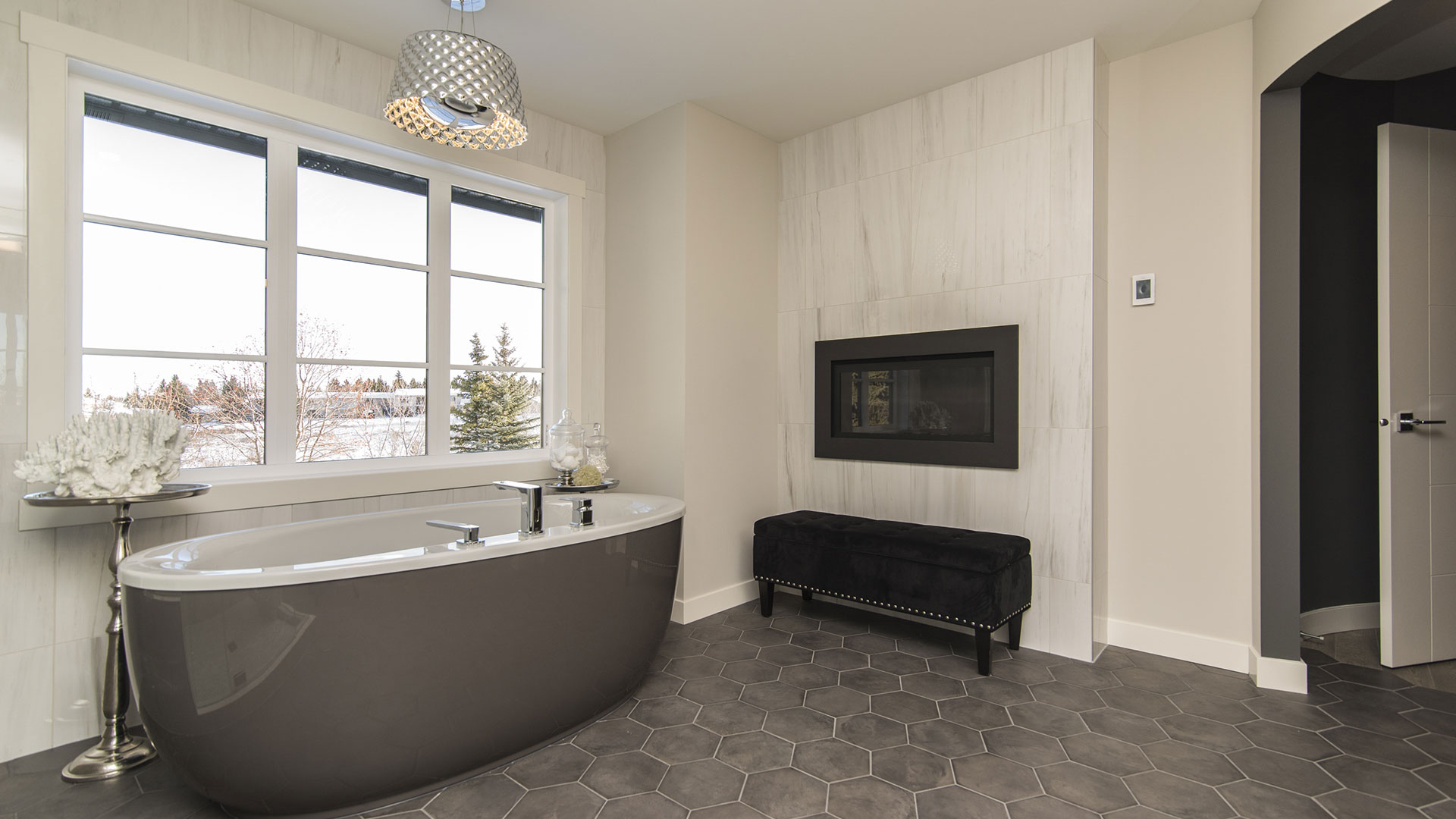
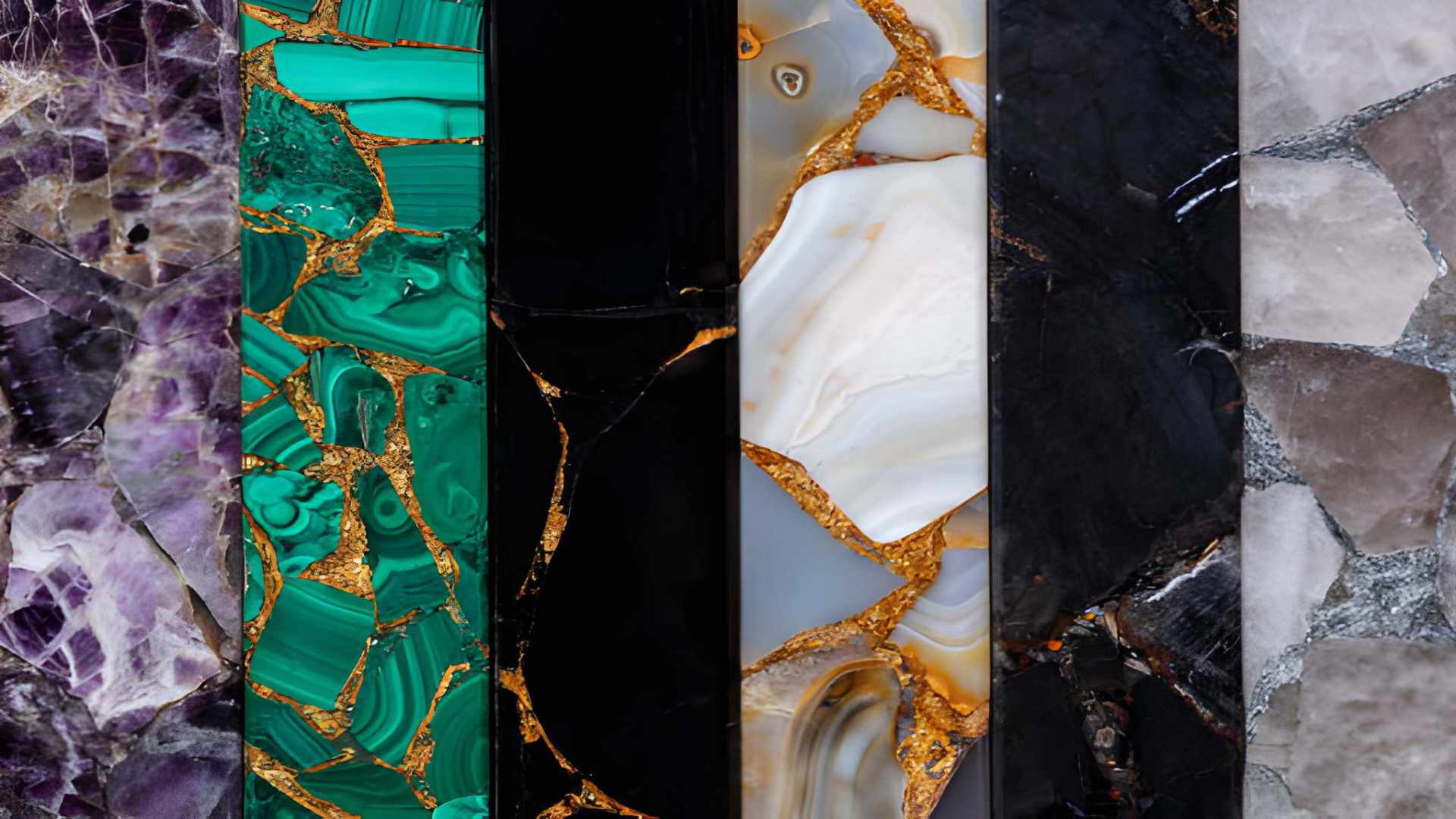
Marble Texture Tiles: A Demonstration of Elegance
Introduction: Marble is a texture that is a popular choice for many uses, such ...
/ 11 October 2026
Walk into almost any busy shop, office lobby or family home in Dhaka and look closely at the floor near the entrance. That is where tiles take the most abuse. Shoes carry in grit from dusty streets. Furniture gets dragged across the same spot again and again. During the monsoon, muddy water finds its way inside.
On many ordinary tiles, the design slowly wears away in these high-traffic zones. The pattern near the door looks faded while the corners of the same room still look new.
This is exactly the problem double charge tiles in Bangladesh are designed to solve. They carry a thick, pigmented top layer instead of a thin printed surface, so the look lasts much longer under heavy use.
In this guide, we'll explain how double charge tiles are made, what makes them different, what they cost in Bangladesh, where they work best, and where you might want something else. By the end, you'll know whether they're the right choice for your home or business.
Double charge tiles are a type of vitrified (porcelain) tile made by pressing two layers of material together in a single tile. The top layer is a thick blend of coloured, pigmented powder. The bottom layer is the regular porcelain body that gives the tile its strength.
If you look at the edge of a double charge tile, you can often see these two layers clearly. That visible top band is the key to its durability.
Manufacturers usually describe this top layer as roughly 2 to 4 mm thick, depending on the factory and product line. Compare that with a standard glazed or digitally printed tile, where the decorative layer is far thinner. That difference is why double charge floor tiles keep their colour even after years of foot traffic.
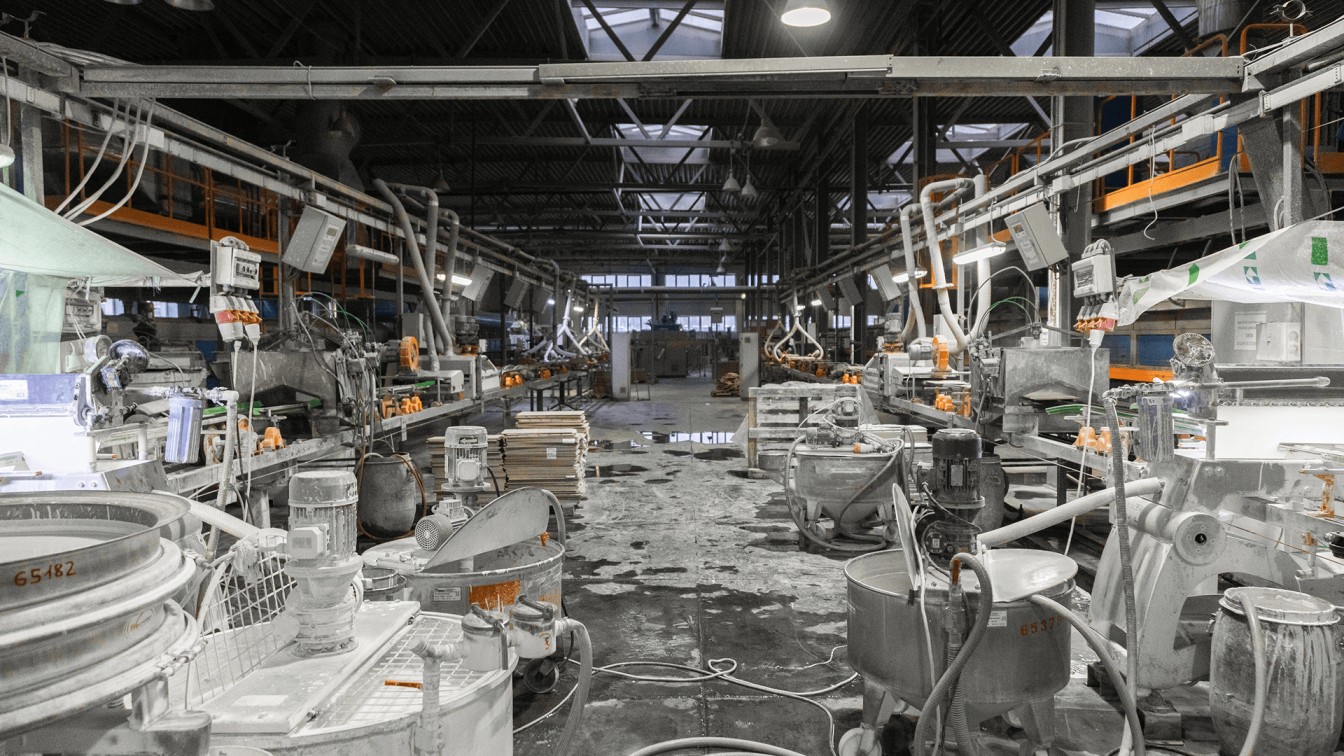
The name comes from the way the press is "charged" or loaded with raw material twice. Here is the process in simple terms:
First feed: A special feeder lays a layer of pigmented, finely ground porcelain powder. This becomes the design surface.
Second feed: The regular porcelain body powder is added to form the base.
Pressing: A high-pressure hydraulic press compacts both layers into a single solid tile.
Firing: The tile is fired in a kiln at very high temperatures, which vitrifies the body and fuses the layers together.
Polishing and finishing: The surface is mechanically polished to a gloss, and many manufacturers then apply a nano coating to seal the tiny pores opened during polishing.
Because the colour is part of the material itself and not printed on top, the pattern doesn't sit on the surface like a sticker. It runs through the entire top layer.
Think of it like the difference between a painted wooden table and a solid-coloured one. Scratch the painted table and the raw wood shows. Scratch the solid one and it still looks the same colour.
Double charge vitrified tiles work in a similar way. Even if the surface gets worn or lightly scratched over the years, the same colour sits underneath. For a commercial floor that sees thousands of footsteps a day, that matters a lot.
Choosing between tile types gets confusing because shop labels often use different names for similar products. This quick comparison should help.
If you want a deeper look at the material differences, read our guide on the differences between ceramic and porcelain tiles . You can also learn more about homogeneous tiles , the full-body cousin of double charge tiles.
Now let's look at what you actually get when you choose double charge porcelain tiles.
This is the headline benefit. Because the design layer is several millimetres deep, normal abrasion from shoes, trolleys and chair legs takes far longer to show. That makes them a natural fit as heavy-duty double charge tiles for commercial floors.
Double charge tiles are fully vitrified, so their water absorption is typically below 0.5%. In technical terms, that places them in the BIa group under the ISO 13006 standard, the densest class of pressed tiles. For a humid country like Bangladesh, low absorption means less risk of damp patches, stains and mould under the surface.
The dense, polished surface resists everyday scratches better than most glazed floors. A good nano-coated finish also helps tea, curry and oil spills wipe off without leaving marks, as long as you clean them up reasonably quickly.
The pigments are mixed into the material and fired at high temperatures. As a result, the colour stays stable even in sunlit areas near windows or glass shopfronts.
Vitrified tiles have high breaking strength. Combined with a properly prepared base, double charge flooring can handle heavy furniture, display racks and constant footfall without cracking.
There's no fragile print to protect. Regular sweeping and mopping with a neutral cleaner keep the floor looking clean. Over the long run, that saves time and money on upkeep.
No tile is perfect for every space. Being honest about the trade-offs will help you avoid disappointment later.
Fewer design options: Double charge tiles can't reproduce the fine, realistic detail of HD digital printing. If you want a convincing Statuario marble or a natural wood-grain look, glazed porcelain usually does a better job. Our guide to marble texture tiles is a good starting point for that style.
Slippery when wet: Most double charge tiles come with a high-gloss polished finish. That looks great in a living room but can be risky in bathrooms, wet kitchens, ramps or open balconies.
Heavier than standard tiles: The dense body adds weight. This rarely matters on a ground floor, but it's worth mentioning to your engineer for large renovations on older buildings.
Needs skilled installation: Low water absorption means plain cement paste doesn't bond as well. Poor installation can lead to hollow spots or edges that chip. We cover how to avoid this in the installation section below.
Higher upfront cost: They usually cost more than basic ceramic floor tiles. However, the longer lifespan in busy spaces often makes up for it.
Let's get to the question most buyers ask first. Double charge vitrified and homogeneous tiles in Bangladesh generally range from about BDT 150 to 350 per square foot, depending on brand, size, finish and whether the tile is locally made or imported.
For context, here's how that compares with other common floor tiles:
Professional installation typically adds around BDT 30 to 40 per square foot, and it's wise to buy 5 to 10% extra tiles to cover cutting and wastage.
Please note: Tile prices in Bangladesh change with gas costs, import duties and exchange rates. Treat these figures as a planning guide and confirm current rates with an authorised dealer before you buy.
Several factors push double charge tile prices up or down:
Size: Larger formats like 80x80 cm usually cost more per square foot than the common 60x60 cm size, because they're harder to produce and transport.
Top layer thickness: A thicker, better-quality design layer generally means a higher price and a longer life.
Finish: Nano-coated polished surfaces cost more than basic polished finishes.
Design complexity: Multi-colour and veined patterns cost more than plain or simple speckled designs.
Local vs imported: Imported tiles carry shipping costs and import duties on top of the base price.
Grade: Premium-grade tiles have tighter quality control on size, flatness and shade than commercial grades.
Here's a practical example. Imagine you're tiling the living room, dining area and corridor of a typical Dhaka apartment, totalling about 600 sq ft.
A 60x60 cm tile covers about 3.875 sq ft, and a box of four covers roughly 15.5 sq ft.
Add 8% for cutting and wastage: 600 + 48 = 648 sq ft .
Boxes needed: 648 ÷ 15.5 = 41.8, so round up to 42 boxes (about 651 sq ft).
Tile cost at BDT 200 per sq ft: 651 × 200 = BDT 130,200 .
Installation at BDT 35 per sq ft: 600 × 35 = BDT 21,000 .
That brings the estimated total to around BDT 151,200 , before adhesive, grout and any floor-levelling work. To get your own numbers quickly, try the DBL tiles calculator .
For more pricing details on this popular size, see our guide to the 24x24 floor tiles price in Bangladesh .
Double charge tiles for flooring shine in spaces where durability matters more than intricate design. Here's where they make the most sense.
Living and dining rooms: These are the busiest areas in most Bangladeshi homes, especially when guests visit often. Browse our living room floor tiles ideas for inspiration.
Corridors and entrance areas: The first few metres inside the main door take the most grit and wear.
Homes with children and pets: Toys, bicycles and pet claws are much less likely to leave visible marks.
Rental properties: Landlords save on replacement costs between tenants.
Retail shops and showrooms: Constant footfall, display racks and trolleys make wear resistance essential.
Offices and corporate lobbies: A polished floor looks professional and stays that way.
Restaurants and cafes: Stain resistance helps with daily spills, though anti-skid tiles are better for the kitchen itself.
Hotels: Lobbies and corridors benefit from long-lasting, easy-to-clean floors.
Hospitals and clinics: The non-porous surface is easy to clean and sanitise.
Schools, universities and coaching centres: Hundreds of students walk the same corridors every day.
Mosques and community halls: Large floor areas with heavy use need tiles that don't fade unevenly.
You can see how tiles perform in large real-world spaces on our projects page .
Bathroom floors and shower areas: Choose matte, anti-skid tiles instead.
Open balconies, rooftops and car porches: Rain makes polished surfaces slippery. Rustic or textured outdoor tiles are safer.
Stair treads without anti-slip nosing: If you love the look on stairs, add grooved nosing or anti-skid strips. Our guide on how to choose the best stair tiles explains the safer options.
A little homework at the showroom goes a long way. Use this checklist before you buy:
Check the edge. Ask to see a loose tile and look at the side. A clear, even top layer of at least 2 to 3 mm is a good sign.
Ask for technical data. Request the water absorption figure (ideally below 0.5%). Since the surface is unglazed, PEI ratings don't really apply. Ask about abrasion resistance test results instead.
Look for calibrated or rectified edges. Precise sizing allows thinner grout lines and a cleaner, more seamless floor.
Match batch and shade numbers. Every box should carry the same batch or shade code. Mixing batches can create visible colour differences across the floor.
Check flatness. Place two tiles face to face. If they rock or show large gaps, the tiles may be warped.
Choose the right size for the room. 60x60 cm suits most Bangladeshi rooms. 80x80 cm works beautifully in larger halls and lobbies with fewer grout lines.
Pick a practical colour. Mid-tone greys, beiges and speckled designs hide dust better than pure white or solid black.
Buy from an authorised dealer. This protects you from mislabelled products and gives you proper after-sales support. Find a nearby outlet with the DBL store locator or visit a DBL display center to see tiles in person.
If you're still comparing categories, our overview of different types of tiles is a helpful read.
Even the best tile can fail if it's installed poorly. Share these points with your contractor or mason:
Use tile adhesive, not just cement paste. Vitrified tiles absorb very little water, so a polymer-modified tile adhesive creates a much stronger bond than plain cement slurry.
Back-butter large tiles. Spreading a thin coat of adhesive on the back of each tile helps eliminate hollow spots, which are the main cause of cracking later.
Prepare a level base. The screed should be dry, clean and flat. Uneven floors cause lippage, where tile edges sit at different heights.
Use leveling clips for larger formats. They keep 60x60 and 80x80 cm tiles flush with each other while the adhesive sets.
Keep grout joints consistent. Around 2 to 3 mm suits calibrated tiles. Use spacers for even lines.
Leave movement joints. Allow gaps at the walls and in large floor areas so the floor can handle temperature changes.
Protect the surface during construction. Cover finished floors with cardboard or plastic sheets while painters and carpenters finish their work.
Double charge floors are easy to care for, but a few habits will keep them looking new for decades:
Sweep daily. Fine sand and dust act like sandpaper underfoot, especially during the dry season.
Mop with a pH-neutral cleaner. Avoid harsh acids and strong bleach, which can dull the polish and damage grout over time.
Use doormats at entrances. A good mat traps a surprising amount of grit before it reaches the floor.
Add felt pads under furniture. This prevents scratches when chairs and tables move.
Wipe spills quickly. Even stain-resistant tiles look best when spills don't sit for hours.
Ventilate during the monsoon. Good airflow helps grout lines stay dry and mould-free.
For step-by-step cleaning advice, read our guide on how to clean home floor tiles , or visit the DBL tiles care page .
Double charge tiles in Bangladesh offer something many floors lack: real staying power. Their thick pigmented top layer, very low water absorption and polished finish make them a smart investment for busy living rooms, shops, offices, hospitals and any space where ordinary tiles would wear out too soon.
They're not the right fit everywhere. If you want highly realistic marble or wood designs, glazed porcelain will give you more choice. For bathrooms, balconies and wet areas, an anti-skid tile is the safer pick.
But for high-traffic floors where durability is the priority, double charge vitrified tiles are hard to beat. Check the top layer, confirm the technical specs, plan your budget with wastage in mind, and insist on proper installation. Do that, and your floor should look good for many years to come.
Ready to explore your options? Visit a nearby DBL display center to see and feel the tiles in person before you decide.
Double charge tiles in Bangladesh generally cost around BDT 150 to 350 per square foot. The final price depends on the brand, tile size, finish, design and whether the tile is local or imported. Installation usually adds about BDT 30 to 40 per square foot. Prices change often, so confirm current rates with an authorised dealer.
For high-traffic areas, yes. Double charge tiles have a thick pigmented top layer, so the design lasts much longer than on glazed or printed vitrified tiles. However, printed tiles offer more realistic designs like marble and wood. The better choice depends on whether you value durability or design variety more for that space.
Polished double charge tiles are not recommended for bathroom floors because they become slippery when wet. In kitchens, they can work in dry, open-plan areas, but matte or anti-skid tiles are safer near sinks and cooking zones. Always choose slip resistance first in wet spaces.
With proper installation and basic care, double charge floor tiles can last for decades. Their thick design layer means the colour and pattern stay visible even after heavy use. The quality of installation, especially full adhesive coverage and a level base, plays a major role in how long the floor performs.
Look at the edge of a loose tile. Genuine double charge tiles show a distinct top layer, usually 2 to 4 mm thick, above the base body. Also check the box for product type, batch number and technical data, and ask the dealer for the water absorption rating. Buying from an authorised dealer is the safest way to avoid mislabelled products.
Introduction: Marble is a texture that is a popular choice for many uses, such ...
Whether you agree with it or not, a house's bathroom is an essential space for p...
Do you ever feel like your tiny bathroom is enclosing you? Does it still seem cl...
Floor tiles is the most important element in making a home look modern nowadays....
The world is going ahead in every sector, including technology, agriculture, edu...
Have you ever entered a room that instantly amazes you? Alongside the decoration...
Tiles are not just for decoration. Good tiles with good and classy designs add b...
A small living room is intimate, cosy, and quite challenging to decorate! A smal...
What immediately comes to your mind when you think of remodelling your home? W...
When walking across a tile floor, you may notice scratching, cracking, or bounci...
People often stress about kitchen backsplashes, living room tiles and even porch...
Good walls make good impressions. The first thing people notice about your prope...
When discussing the floor, most people still continue to use the same concept of...
When designing or renovating a home, the bathroom often becomes an afterthought,...
The phrase "homogeneous tiles" can be used to select tiles for your house or pla...
Carpet tiles, also known as carpet squares, are small, east-cut carpet pieces th...
Standing on your shining floor in a lazy afternoon, one curiosity might have str...
Imagine stepping into your kitchen after a long day in the bustling streets of D...
A good flooring defines the character of a home. When your guests step on the fl...
Let's be honest: your kitchen tiles have seen better days. Between the tomato sa...
Have you ever walked into your kitchen, looked around, and felt like something j...
Have you ever walked into someone's living room and immediately felt l...
The kitchen is often considered the heart of the home. It is a place where meals...
The use of wall tiles in modern home decor is a necessity, as this product combi...
You walk into a tiles showroom thinking it will take thirty minutes. Two hours l...
Imagine two buildings side by side somewhere in Dhaka. The first monsoon rain of...
You are standing in a tile showroom somewhere in Tejgaon or Mirpur. You have fou...
Your living room is the first thing guests see and the last space you relax in a...
Choosing the right floor tiles size can completely transform how a room look...
In Bangladesh, our kitchens work extra hard. Between high humidity, daily heat, ...
Have you ever walked into a bedroom and felt instantly calm? Not because of the ...
Suppose you walk into an office in Gulshan or Banani. Before you even see the re...
If you have ever slipped on a wet bathroom floor or watched a family member lose...
Standing in a tile showroom, staring at two nearly identical glossy floor tiles,...
Walk into any tile showroom in Dhaka and you will notice a familiar pattern. Buy...
If you are planning a construction or renovation project and searching for a dur...
When you walk into a tile showroom in Dhaka , you will almost certainly see t...
In most Dhaka apartments, the balcony works harder than any other part of the ho...