.png)




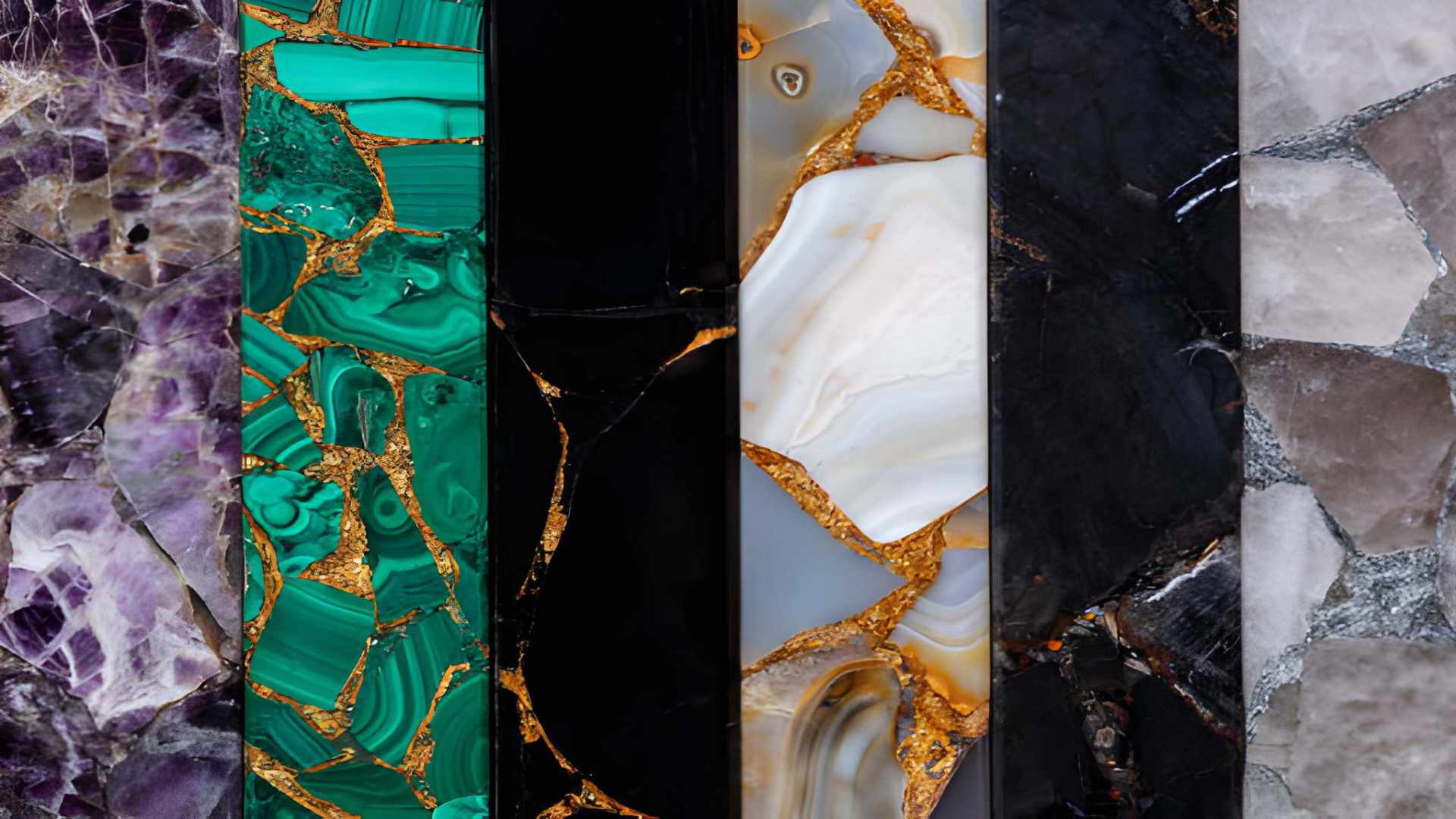
Marble Texture Tiles: A Demonstration of Elegance
Introduction: Marble is a texture that is a popular choice for many uses, such ...
/ 20 September 2026
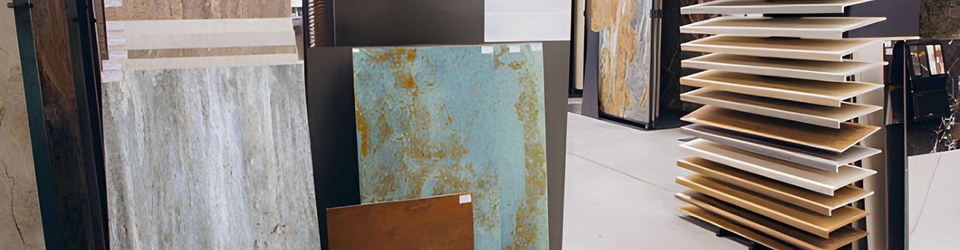
When you walk into a tile showroom in Dhaka , you will almost certainly see two separate sections. One carries products from Spanish, Italian, Indian, or Chinese manufacturers. The other features tiles made right here in Bangladesh. Both sections look polished, both promise durability, and both come with price tags that can vary wildly. So which one actually deserves a place in your home or commercial project?
This guide breaks down imported tiles vs Bangladeshi tiles across every factor that matters: cost, quality, design range, availability, and long-term value. By the time you finish reading, you should have a clear picture of which option suits your specific needs.
Imported tiles refer to ceramic, porcelain, and stone tiles manufactured outside Bangladesh and brought in through official or commercial import channels. The most common source countries are China, Spain, Italy, India, Malaysia, and the UAE.
These tiles enter the Bangladeshi market through distributors, showrooms, and construction material importers. They are available across a wide price spectrum, from budget Chinese ceramic tiles to premium Italian porcelain slabs that cost several times more per square foot.
Bangladeshi tiles are manufactured locally by domestic ceramic brands. The industry has grown steadily over the past two decades, and today several local manufacturers produce tiles that meet international quality standards.
Bangladeshi tiles cover a broad product range. You can find standard ceramic wall tiles, anti-slip floor tiles , technical porcelain, glazed porcelain , and specialty finishes like nano crystal polish and sugar effect, all produced locally. Brands like DBL Ceramics have invested in modern kiln technology and quality control processes that bring local production much closer to global standards.
Price is usually the first thing buyers compare, and the difference here is significant.
Bangladeshi tiles are priced without import duties, shipping costs, and importer margins stacked on top. That makes them considerably more affordable per square foot compared to equivalent imported products. For a mid-range apartment project in Dhaka, choosing local tiles over comparable imports can produce meaningful savings without sacrificing finish quality.
Imported tiles, particularly those from Europe, carry a premium because of logistics, taxes, and branding. High-end Italian or Spanish tiles are genuinely expensive. Chinese imports occupy the middle and lower price bands, but even then, exchange rate fluctuations and shipping delays can push costs upward unexpectedly.
Advantage: Bangladeshi tiles, especially for budget-conscious and mid-range projects.
A decade ago, imported tiles held a clear quality advantage. That gap has narrowed considerably.
Modern Bangladeshi manufacturers now produce tiles with high water absorption ratings, consistent dimensional accuracy, and surface finishes that hold up well in both residential and commercial environments. Products like technical porcelain and premium glazed porcelain made locally compete directly with mid-tier imports on durability metrics.
Where imported tiles, particularly from Europe, still lead is in ultra-high-end applications. Large-format porcelain slabs, full-body rectified tiles, and specialty stone-effect finishes from Italian and Spanish brands continue to set the benchmark for premium construction. If your project specifies these categories, imports may still have the edge.
That said, for the vast majority of residential builds, renovations, and mid-range commercial spaces, quality Bangladeshi tiles are more than adequate.
Advantage: Imported tiles at the ultra-premium end; Bangladeshi tiles for mid-range and standard use cases.
This is an area where imported tiles have historically offered more options, and it remains partly true today.
International manufacturers invest heavily in seasonal collections, trend-driven designs, and large-format innovations. If you are looking for a specific marble-look slab in 900x1800mm or a handcrafted Spanish zellige pattern, your best bet is an importer.
However, Bangladeshi manufacturers have significantly expanded their design libraries. You can now find locally made tiles in rustic matt, high definition relief, nano crystal polish, glazed porcelain, sugar effect, and mirror polish finishes. The variety that existed only in imported ranges five years ago is now available locally for multiple finish types.
For projects that need a wide design selection from a local source, check the [INTERNAL LINK: Glazed Porcelain category page] and the [INTERNAL LINK: Premium Glazed Porcelain category page] to see the current range.
Advantage: Imported tiles for ultra-specific or trend-forward design needs; Bangladeshi tiles for most standard and contemporary preferences.
This is one of the clearest wins for Bangladeshi tiles.
Local manufacturers maintain warehouses in Bangladesh, which means tiles are available for pickup or delivery quickly. If a project runs short of material, restocking from a local supplier is usually straightforward.
Imported tiles operate on a different timeline. Products are ordered in advance, shipped by sea, cleared through customs, and then distributed. If a specific batch is out of stock, the wait can stretch weeks or months. Lot-to-lot color variations are also more common with imports, which can create matching problems for large projects or future repairs.
For any project running on a tight construction timeline, local availability is a significant operational advantage.
Advantage: Bangladeshi tiles, clearly.
When something goes wrong with tiles after installation, local support matters enormously.
Bangladeshi tile manufacturers have service teams, authorized dealers, and complaint processes within Bangladesh. Reaching a local representative, verifying warranty coverage, and getting a resolution is far easier than dealing with an overseas brand through a local importer who may have limited authority to act.
Imported tiles typically carry warranties, but the enforcement mechanism depends entirely on the local distributor. If that distributor changes, closes, or stops carrying the brand, warranty claims become significantly harder to process.
Advantage: Bangladeshi tiles.
Imported tiles require ocean freight, which adds to their carbon footprint compared to locally manufactured products. For green building certifications or projects with sustainability requirements, this is worth factoring in.
Locally made tiles also support domestic manufacturing, employment, and the broader Bangladeshi economy. For buyers who want their purchasing decisions to align with national development, choosing local products is a meaningful choice.
Advantage: Bangladeshi tiles.
There are genuine scenarios where imported tiles make sense:
You are building a luxury property where ultra-premium Italian or Spanish porcelain is part of the design specification.
You need a very specific large-format tile (1200x2400mm or above) not yet produced locally.
An architect or interior designer has specified a particular imported product for aesthetic consistency.
You are matching tiles in an existing space that used a specific imported product.
In these cases, the premium you pay for imports is justified by the specific requirement. Going local just to save money when the design demands a specific import product will compromise the finish.
Bangladeshi tiles are the right choice for most projects:
Residential builds and renovations at any budget level except ultra-luxury.
Commercial spaces like offices, restaurants, and retail stores that need durable, attractive tiles at competitive pricing.
Projects with tight timelines where delivery lead times matter.
Any application where after-sales service and restocking convenience are priorities.
Bathroom, kitchen, living room, and floor tile applications where quality local products perform exactly as well as mid-range imports.
For most residential and commercial applications, yes. Modern Bangladeshi tiles match mid-range imported tiles in durability, finish, and dimensional accuracy. The ultra-premium segment, primarily European large-format porcelain, remains the one area where imports hold a consistent edge.
Import duties, shipping costs, currency exchange rates, and distributor margins all stack onto the base manufacturing price. A tile that costs a certain amount to produce in Spain can cost two to three times more by the time it reaches a Bangladeshi showroom.
Yes, but you need to plan for it. Ensure dimensional consistency between the two, and specify which areas use which product during the design phase. Mixing them in the same continuous surface is not recommended because lot-to-lot thickness and shade variations can cause visible grout line inconsistencies.
Technical porcelain and anti-slip floor tiles from local manufacturers perform very well in high-traffic environments. Visit the [INTERNAL LINK: Anti-Slip category page] and [INTERNAL LINK: Technical Porcelain category page] for options suited to commercial use.
Yes. The range available from local manufacturers has expanded considerably and now includes glazed porcelain, nano crystal polish, sugar effect, high definition relief, and rustic matt finishes that cover most contemporary interior design trends.
The imported tiles vs Bangladeshi tiles debate does not have a single universal answer. It depends on your project type, budget, timeline, and design requirements. For the majority of buyers in Bangladesh, local tiles offer better value when you weigh price, availability, after-sales support, and consistent quality together. Imported tiles earn their premium in specific, well-justified situations: luxury builds, very large-format applications, or exact design specifications. So, considering your situation and preference, you should decide which one you should choose.
Introduction: Marble is a texture that is a popular choice for many uses, such ...
Whether you agree with it or not, a house's bathroom is an essential space for p...
Do you ever feel like your tiny bathroom is enclosing you? Does it still seem cl...
Floor tiles is the most important element in making a home look modern nowadays....
The world is going ahead in every sector, including technology, agriculture, edu...
Have you ever entered a room that instantly amazes you? Alongside the decoration...
Tiles are not just for decoration. Good tiles with good and classy designs add b...
A small living room is intimate, cosy, and quite challenging to decorate! A smal...
What immediately comes to your mind when you think of remodelling your home? W...
When walking across a tile floor, you may notice scratching, cracking, or bounci...
People often stress about kitchen backsplashes, living room tiles and even porch...
Good walls make good impressions. The first thing people notice about your prope...
When discussing the floor, most people still continue to use the same concept of...
When designing or renovating a home, the bathroom often becomes an afterthought,...
The phrase "homogeneous tiles" can be used to select tiles for your house or pla...
Carpet tiles, also known as carpet squares, are small, east-cut carpet pieces th...
Standing on your shining floor in a lazy afternoon, one curiosity might have str...
Imagine stepping into your kitchen after a long day in the bustling streets of D...
A good flooring defines the character of a home. When your guests step on the fl...
Let's be honest: your kitchen tiles have seen better days. Between the tomato sa...
Have you ever walked into your kitchen, looked around, and felt like something j...
Have you ever walked into someone's living room and immediately felt l...
The kitchen is often considered the heart of the home. It is a place where meals...
The use of wall tiles in modern home decor is a necessity, as this product combi...
You walk into a tiles showroom thinking it will take thirty minutes. Two hours l...
Imagine two buildings side by side somewhere in Dhaka. The first monsoon rain of...
You are standing in a tile showroom somewhere in Tejgaon or Mirpur. You have fou...
Your living room is the first thing guests see and the last space you relax in a...
Choosing the right floor tiles size can completely transform how a room look...
In Bangladesh, our kitchens work extra hard. Between high humidity, daily heat, ...
Have you ever walked into a bedroom and felt instantly calm? Not because of the ...
Suppose you walk into an office in Gulshan or Banani. Before you even see the re...
If you have ever slipped on a wet bathroom floor or watched a family member lose...
Standing in a tile showroom, staring at two nearly identical glossy floor tiles,...
Walk into any tile showroom in Dhaka and you will notice a familiar pattern. Buy...
If you are planning a construction or renovation project and searching for a dur...
Walk into almost any busy shop, office lobby or family home in Dhaka and look cl...
In most Dhaka apartments, the balcony works harder than any other part of the ho...