.png)




Marble Texture Tiles: A Demonstration of Elegance
Introduction: Marble is a texture that is a popular choice for many uses, such ...
/ 15 October 2026
In most Dhaka apartments, the balcony works harder than any other part of the home. It dries the laundry, holds the money plants and chili pots, hosts the evening cup of tea, and takes the full force of every monsoon shower that blows in sideways.
That is exactly why balcony tiles design deserves more thought than it usually gets. A tile that looks lovely under showroom lights can turn slippery after the first rain, heat up under the afternoon sun, or show every speck of construction dust within a week.
This guide brings together 12 balcony tiles design ideas that suit Bangladeshi homes, along with practical advice on finish, size, and installation. Whether you have a narrow strip off the bedroom in an Uttara flat or a wide wraparound veranda in a Bashundhara apartment, you will find a look here that works with your space and your weather.
A balcony sits halfway between indoors and outdoors. So before you fall for a color or pattern, check that the tile can handle the conditions. If you are also comparing brands, budgets, and tile types, our complete tiles buying guide for Bangladesh covers the bigger picture.
For the balcony specifically, these five points matter most:
Grip when wet: Rain, plant watering, and dripping laundry keep balcony floors damp. Matte, textured, or anti-slip surfaces are far safer than polished ones. Our guide to anti slip tiles in Bangladesh explains how slip resistance works in more detail.
Low water absorption: Porcelain tiles have a dense body that absorbs very little water, so they cope better with repeated wet and dry cycles than standard ceramic floor tiles.
Heat and color: Dark tiles soak up sunlight. On a west-facing balcony, a deep charcoal floor can become uncomfortable to walk on barefoot by late afternoon.
Dust tolerance: Balconies collect dust faster than any room. Mid-tone shades and mottled patterns hide it better than pure white or jet black.
Exposure level: An open, uncovered balcony needs tougher outdoor balcony tiles than a covered one protected by a roof slab and grill.
Notice that glossy finishes do not appear in the floor column. They are beautiful on walls, but a wet glossy floor is a real hazard. If you are unsure which finish suits each surface, our breakdown of glossy vs matte tile makes the choice easier.
With the basics covered, here are the designs that consistently work on Bangladeshi balconies.
Few looks feel as relaxing as a wooden deck. Real timber, however, swells, rots, and attracts termites in our humid climate. Wood-effect tiles give you the same warm grain without any of that trouble.
Choose a matte wood-look tile in honey, teak, or light walnut tones. Pair it with cane furniture and leafy plants, and your balcony starts to feel like a small garden retreat. To understand how these tiles hold up over years of use, read our article on wooden tiles .
Works best for: Covered balconies, reading corners, and plant-filled spaces.
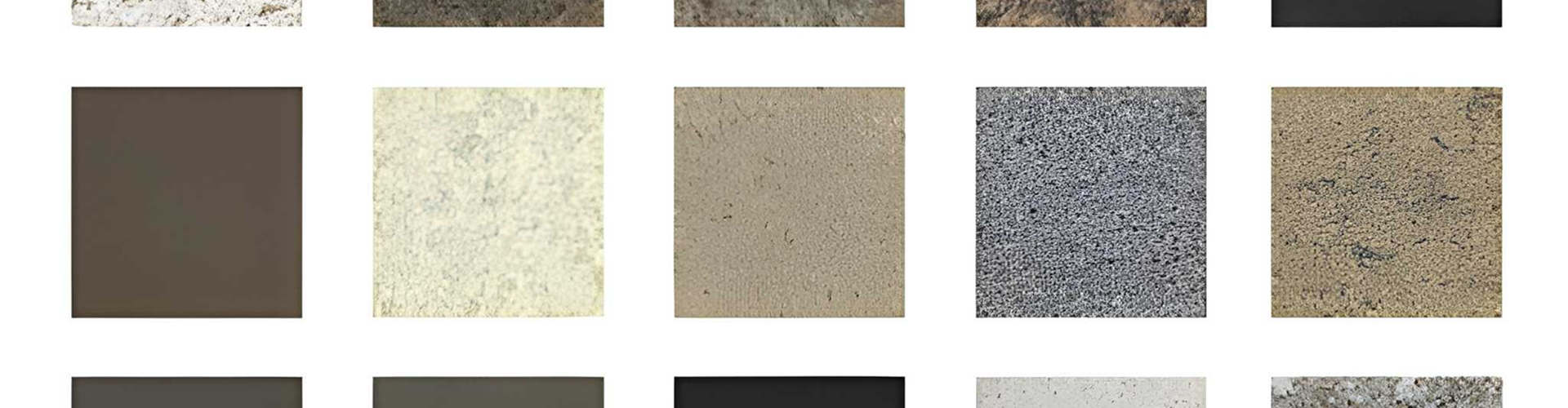
If your balcony has no roof cover and takes rain directly, stone-effect tiles are one of the safest bets. Their natural texture adds grip, and the irregular surface pattern hides water marks and dust.
Gray, sand, and slate tones suit most building exteriors in Bangladesh. For fully exposed spots, go a step further and choose from a dedicated anti-slip tile collection , which is designed for surfaces that stay wet for long periods.
Works best for: Rooftop balconies, open terraces, and top-floor flats.
Cement-effect tiles are a favorite among people who want modern balcony tiles without anything flashy. The soft, slightly uneven gray surface pairs beautifully with black metal railings, white walls, and simple wooden benches.
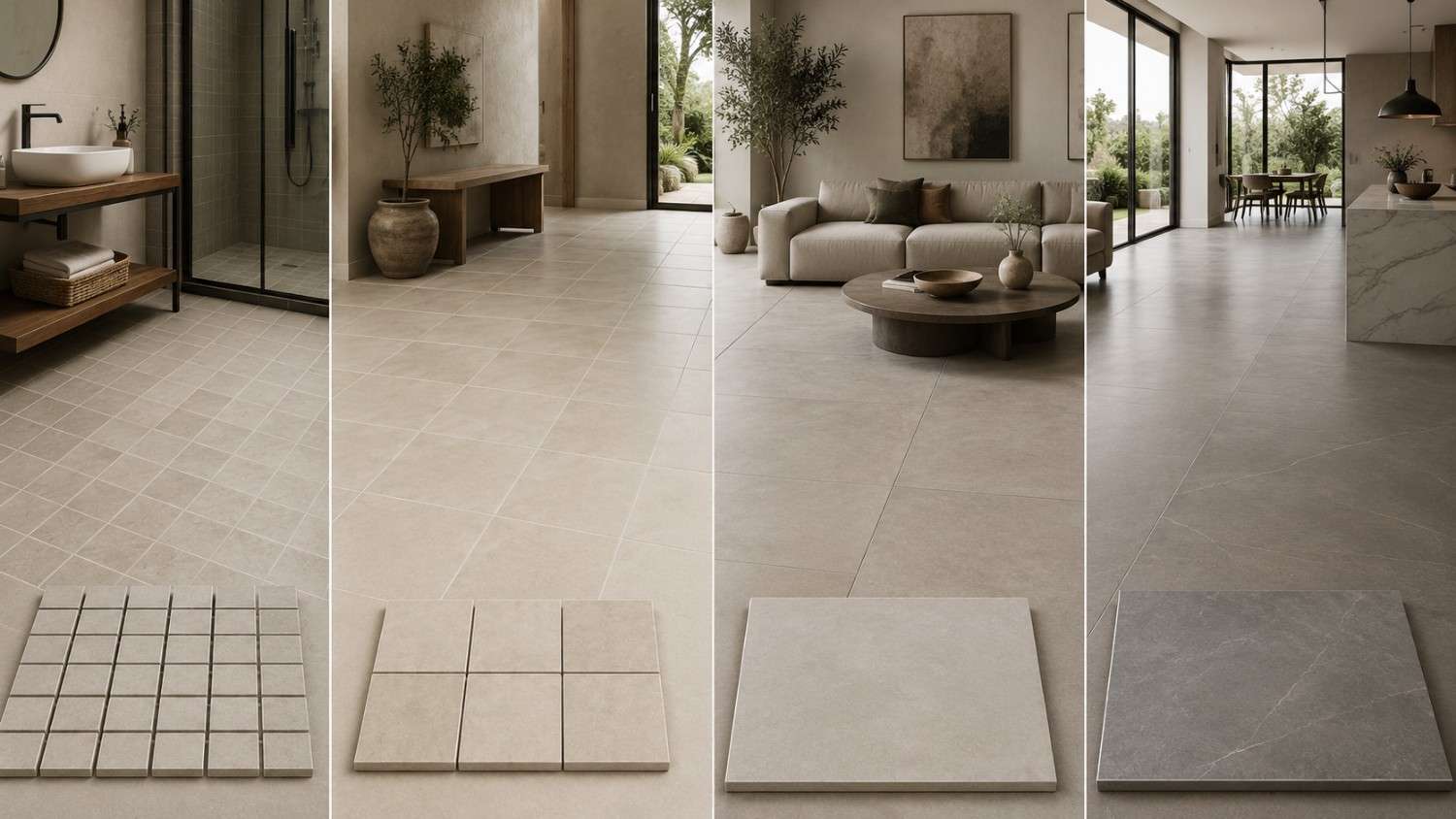
Larger formats such as 60x60 cm work well here because fewer grout lines keep the look calm and uncluttered. You can browse cement and other effects within the floor tiles collection to find the shade that suits your exterior paint.
Works best for: Contemporary apartments and balconies attached to living rooms.
Cotto tiles bring the earthy red-orange tone of traditional terracotta. They instantly remind many of us of village courtyards and old brick homes, which gives the balcony a nostalgic, grounded feel.
These tiles look especially good with clay pots, jute mats, and wooden stools. If you want to push the earthy theme further, our guide on how to use rustic tiles shows how to combine rustic textures without overdoing it.
Works best for: Balconies with lots of plants and homeowners who love a traditional aesthetic.
A patterned floor gives a balcony instant personality. Geometric designs, from simple hexagon outlines to Moroccan-style repeats, work particularly well in small spaces because the eye focuses on the pattern rather than the size of the floor.
Keep the walls plain when the floor is busy. One strong pattern is striking, but two competing patterns make a small space feel chaotic. For styling references, the DBL inspiration gallery is a useful place to see how patterns look in real settings.
Works best for: Small balcony tiles design where you want character without clutter.
This is one idea you will rarely see in imported tile catalogs. Tiles inspired by Jamdani weaving, Nakshi Katha embroidery, and Alpona floor art bring something deeply familiar to a modern apartment.
These motifs work best as a feature wall or a framed panel rather than covering every surface. Use them on the wall behind your seating, then keep the floor in a plain matte tile that picks up one color from the motif. In the veranda tiles collection , you can filter designs by effect, including these heritage patterns.
Works best for: Covered balconies and anyone who wants a design with cultural meaning.
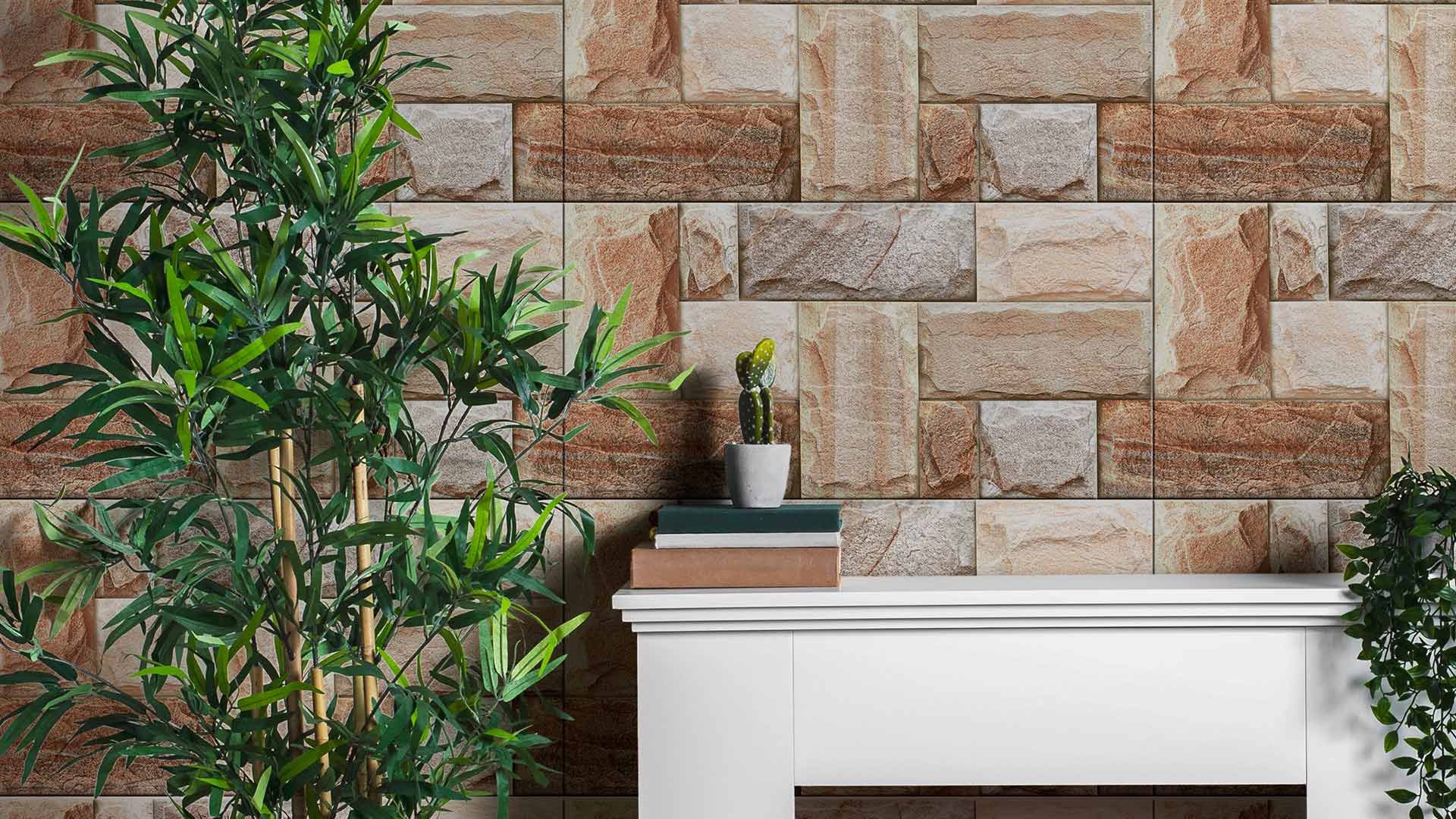
Exposed brick has a warm, industrial charm, but real brick walls absorb water and develop damp patches during the monsoon. Brick-effect tiles solve that problem while keeping the look.
This is one of the most popular balcony wall tiles design choices because it suits both modern and rustic setups. A matt finish keeps it natural, and our rustic matt wall tiles range includes brick, stone, and cement effects that handle semi-outdoor walls well.
Works best for: The main wall of the balcony, especially behind plant shelves.
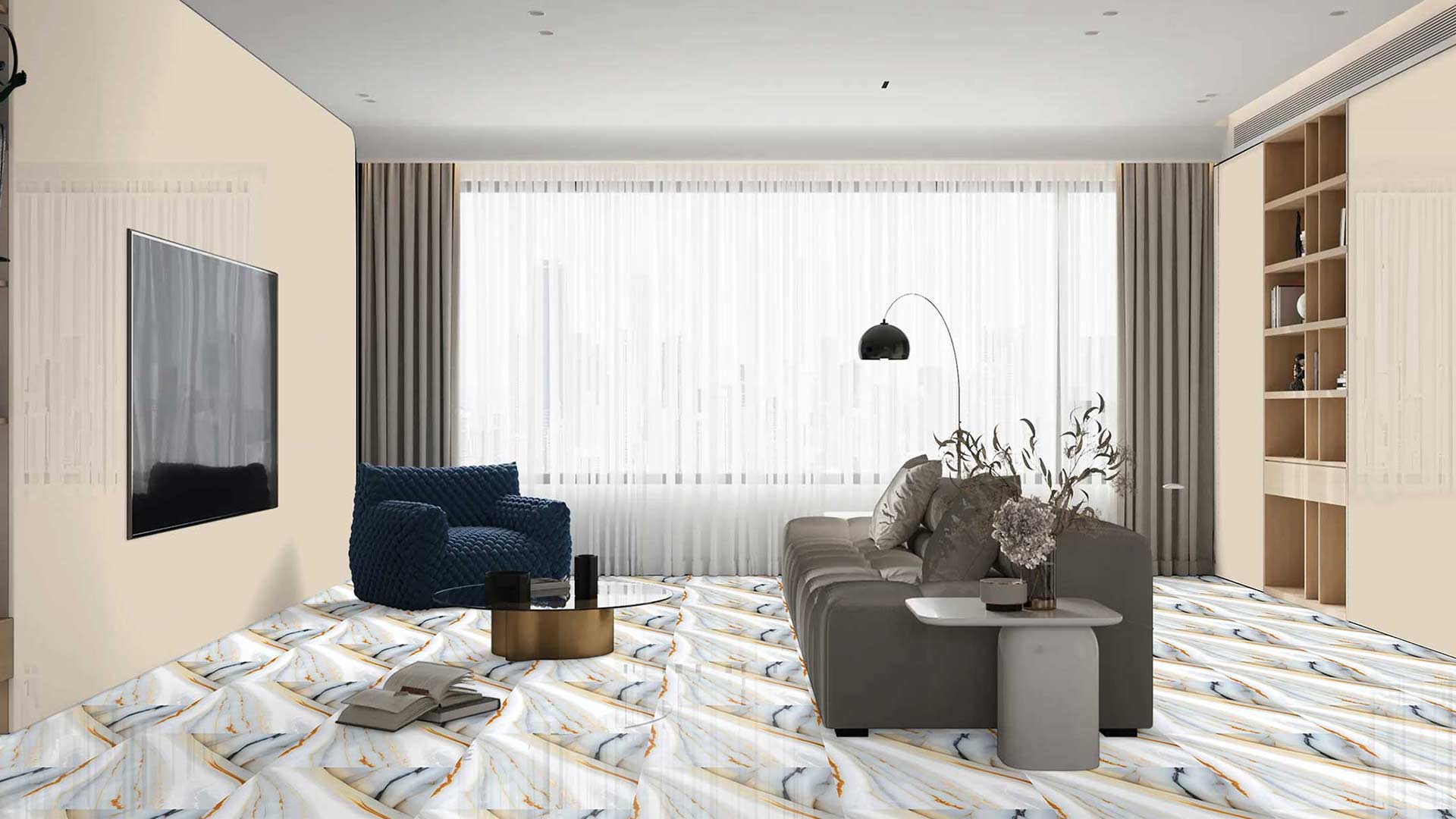
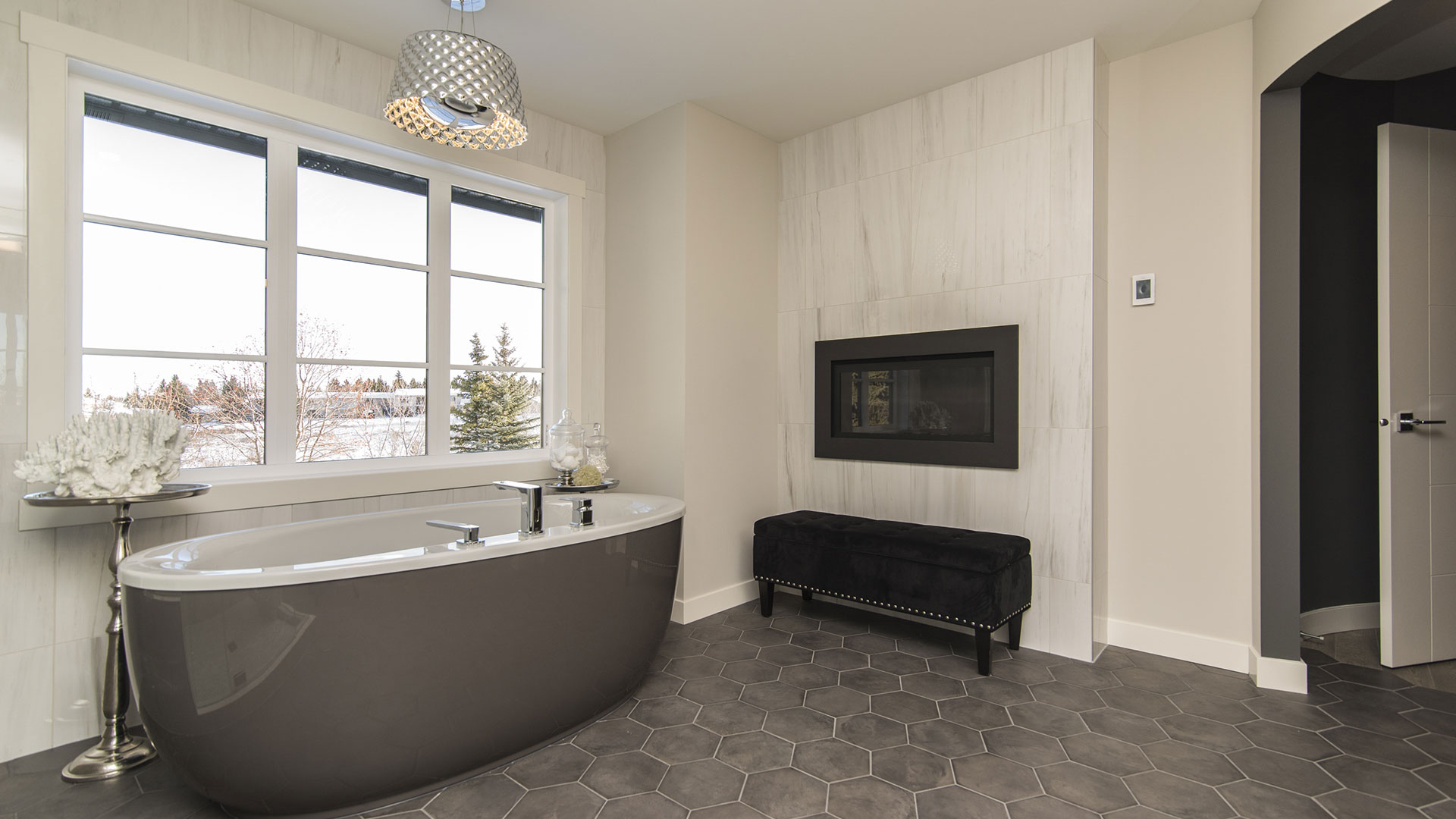
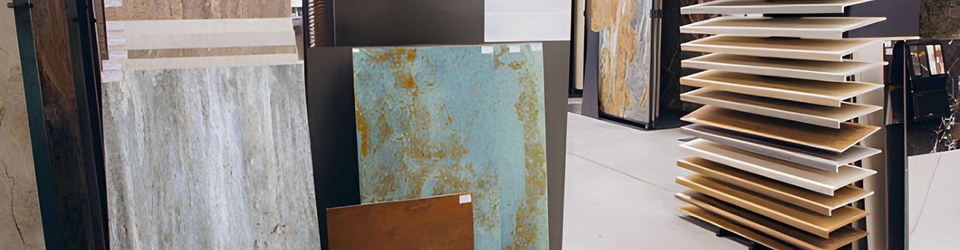
Want your balcony to feel like an extension of a polished living room? Marble-effect tiles do that well. The veining adds a premium touch without the high cost and maintenance of natural marble.
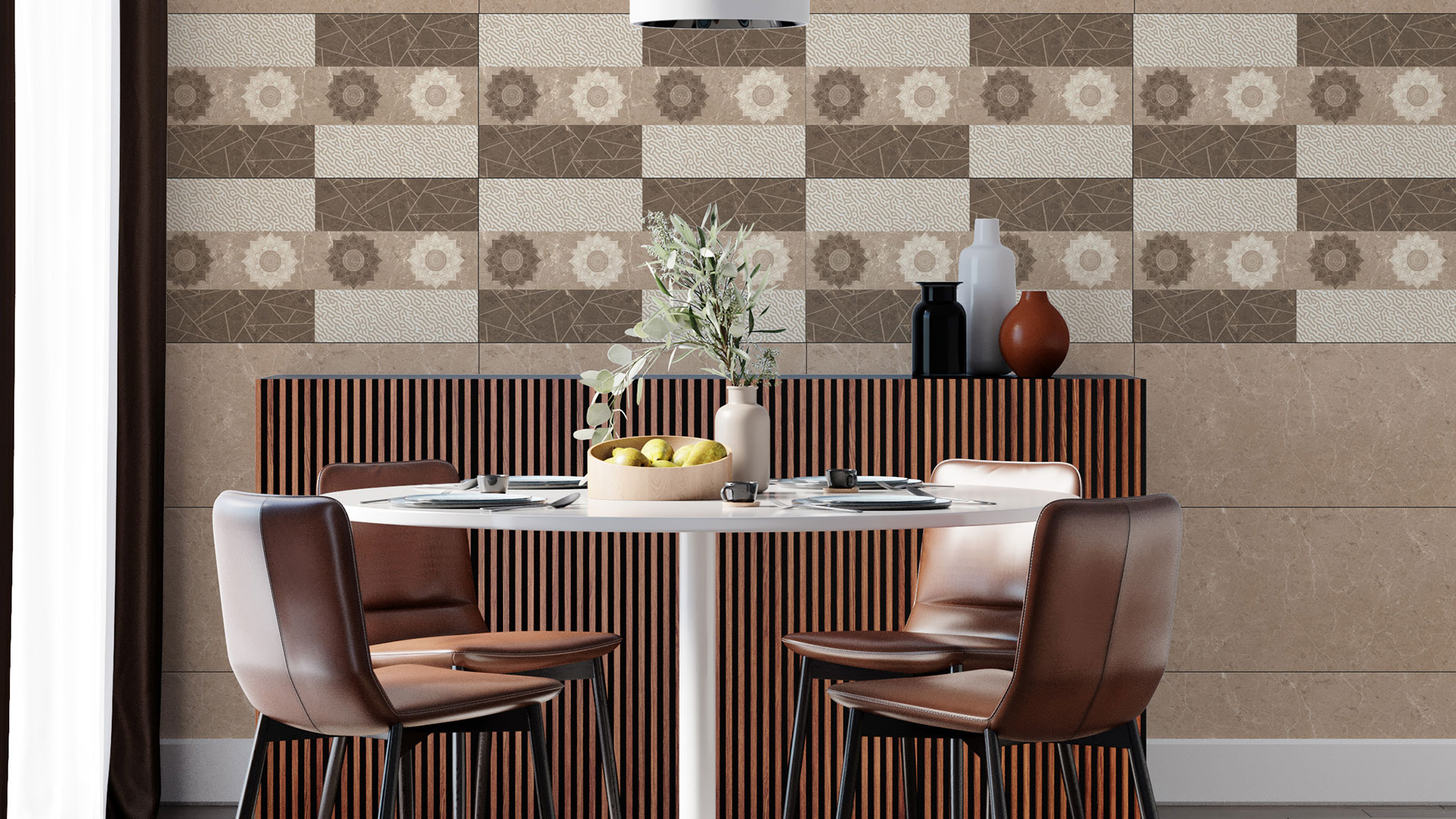
Just remember one rule: choose a matte or satin finish for the floor, not mirror polish. Save the high shine for indoor rooms. Our article on marble texture tiles explores the different veining styles if you want to compare options.
Works best for: Covered balconies in premium apartments and those that open off a formal living area.
Many Bangladeshi apartments have balconies just three or four feet deep. In a space that tight, a light mono-color tile in beige, ivory, or soft gray is the simplest way to make it feel bigger.
Size matters here too. Mid-sized tiles such as 30x60 cm, laid with the long side running along the balcony, guide the eye across the length and make the space feel wider. For a deeper look at how tile dimensions affect a room, see our guide on floor tile sizes .
Works best for: Narrow and compact balconies in city apartments.
Here is a clever trick for small balconies. Lay plain tiles around the edges, then create a rectangular “rug” of patterned or floral tiles in the middle, right where your chair or mat would sit.
This gives you the charm of a pattern without overwhelming the space. It also makes planning easier, since you only need a small number of decorative tiles. Before buying, work out how many plain and patterned pieces you need with the DBL tiles calculator .
Works best for: Balconies used as a sitting or prayer corner.
When a balcony feels boxed in, look at the walls instead of the floor. Tiles with a vertical lines effect draw the eye upward and create a sense of height, which helps in low-ceilinged spaces.
Run the lines vertically on the main wall and keep the floor simple. Since balcony walls are partly exposed to weather, choose a tile suited to outdoor use. Our list of popular outdoor wall tiles in Bangladesh covers options built to handle rain and sun.
Works best for: Balconies with low ceilings or tall narrow walls.
Sometimes the most elegant balcony uses just one design. Running the same tile series from the floor up the wall creates a continuous, wrapped look that feels calm and expensive.
The key is choosing a series that offers different finishes: textured matte for the floor and a smoother finish for the wall. Glazed porcelain tiles are well suited to this approach because coordinated shades and effects let you carry one look across both surfaces.
Works best for: Modern balconies and owners who prefer a minimal, unified style.
Even the best tiles fail if the installation is rushed. Balconies need a few extra steps that indoor floors can skip, so discuss these with your mistri or contractor before work begins:
Waterproof the slab first: Apply a waterproofing coat on the balcony slab and turn it slightly up the walls. This stops water from seeping into the flat below.
Build a slope toward the drain: The floor should fall gently toward the drain outlet so rainwater never pools on the surface.
Use a proper tile adhesive: Porcelain absorbs very little water, so it does not bond well with plain sand-cement mortar. A good adhesive prevents hollow spots and lifting later.
Leave a perimeter gap: Balconies heat up and cool down sharply. A small gap at the edges, hidden under the skirting, gives tiles room to expand without cracking.
Choose wet-area grout: Sealed cement grout or epoxy grout resists moisture and the black mildew that often appears during the rainy season.
Buy extra tiles: Order a little more than you need for cuts and breakages, and keep a few spare boxes from the same batch for future repairs.
Balcony tiles do not need complicated care, but they do need regular attention. Sweep dust every day or two, since grit acts like sandpaper under your feet.
Mop with a mild, neutral cleaner, and avoid acidic or harsh chemicals that can dull the finish. Place plant pots on saucers or stands so that soil and water do not leave rings on the tiles.
Before each monsoon, give the grout lines a good scrub to clear mildew and check that the drain is not blocked. For finish-specific advice, DBL’s tiles care guide covers cleaning routines that keep tiles looking new for longer.
The best balcony tiles design starts with an honest look at your space. Is it open to rain or covered? Does it face the harsh afternoon sun? Is it a narrow strip or a wide sitting area? Once you answer those questions, the right finish and size become obvious, and choosing the style becomes the fun part.
For open balconies, stick with matte stone, cement, or anti-slip porcelain. For covered ones, you have more freedom to try wood, marble, or heritage motifs like Nakshi Katha and Alpona. And for small balconies, light mono colors, plank-style layouts, and tile rugs make every inch count.
Finally, see your shortlisted tiles in person before buying. Texture and color look different under natural daylight than they do on a screen. Visit a DBL display center to compare finishes side by side and choose a design that will look just as good after many monsoons.
Matte or textured porcelain tiles are the best choice for most balcony floors in Bangladesh. They absorb very little water, offer better grip when wet, and handle strong sun and heavy rain well. For fully open balconies, anti-slip porcelain is the safest option.
Glossy tiles are fine on balcony walls, where they reflect light and are easy to wipe clean. However, they are not recommended for balcony floors because they become slippery when wet from rain, plant watering, or drying laundry.
For a small balcony, mid-sized tiles such as 30x60 cm or 40x40 cm usually work best. Laying rectangular tiles along the length of the balcony makes it look wider. Very large tiles may need too many cuts in a narrow space, while very small tiles can make the floor look busy.
They can be the same design, but the finish should differ. Floor tiles need a matte or textured surface for grip, while wall tiles can be smoother or slightly glossy. Many homeowners use one tile series in two finishes to keep a matching look on both surfaces.
Water pooling is mainly an installation issue. The floor should have a gentle slope toward the drain, the slab should be waterproofed before tiling, and the drain must be kept clear of leaves and dust. Using wet-area grout also helps prevent water from seeping under the tiles.
Introduction: Marble is a texture that is a popular choice for many uses, such ...
Whether you agree with it or not, a house's bathroom is an essential space for p...
Do you ever feel like your tiny bathroom is enclosing you? Does it still seem cl...
Floor tiles is the most important element in making a home look modern nowadays....
The world is going ahead in every sector, including technology, agriculture, edu...
Have you ever entered a room that instantly amazes you? Alongside the decoration...
Tiles are not just for decoration. Good tiles with good and classy designs add b...
A small living room is intimate, cosy, and quite challenging to decorate! A smal...
What immediately comes to your mind when you think of remodelling your home? W...
When walking across a tile floor, you may notice scratching, cracking, or bounci...
People often stress about kitchen backsplashes, living room tiles and even porch...
Good walls make good impressions. The first thing people notice about your prope...
When discussing the floor, most people still continue to use the same concept of...
When designing or renovating a home, the bathroom often becomes an afterthought,...
The phrase "homogeneous tiles" can be used to select tiles for your house or pla...
Carpet tiles, also known as carpet squares, are small, east-cut carpet pieces th...
Standing on your shining floor in a lazy afternoon, one curiosity might have str...
Imagine stepping into your kitchen after a long day in the bustling streets of D...
A good flooring defines the character of a home. When your guests step on the fl...
Let's be honest: your kitchen tiles have seen better days. Between the tomato sa...
Have you ever walked into your kitchen, looked around, and felt like something j...
Have you ever walked into someone's living room and immediately felt l...
The kitchen is often considered the heart of the home. It is a place where meals...
The use of wall tiles in modern home decor is a necessity, as this product combi...
You walk into a tiles showroom thinking it will take thirty minutes. Two hours l...
Imagine two buildings side by side somewhere in Dhaka. The first monsoon rain of...
You are standing in a tile showroom somewhere in Tejgaon or Mirpur. You have fou...
Your living room is the first thing guests see and the last space you relax in a...
Choosing the right floor tiles size can completely transform how a room look...
In Bangladesh, our kitchens work extra hard. Between high humidity, daily heat, ...
Have you ever walked into a bedroom and felt instantly calm? Not because of the ...
Suppose you walk into an office in Gulshan or Banani. Before you even see the re...
If you have ever slipped on a wet bathroom floor or watched a family member lose...
Standing in a tile showroom, staring at two nearly identical glossy floor tiles,...
Walk into any tile showroom in Dhaka and you will notice a familiar pattern. Buy...
If you are planning a construction or renovation project and searching for a dur...
When you walk into a tile showroom in Dhaka , you will almost certainly see t...
Walk into almost any busy shop, office lobby or family home in Dhaka and look cl...