.png)





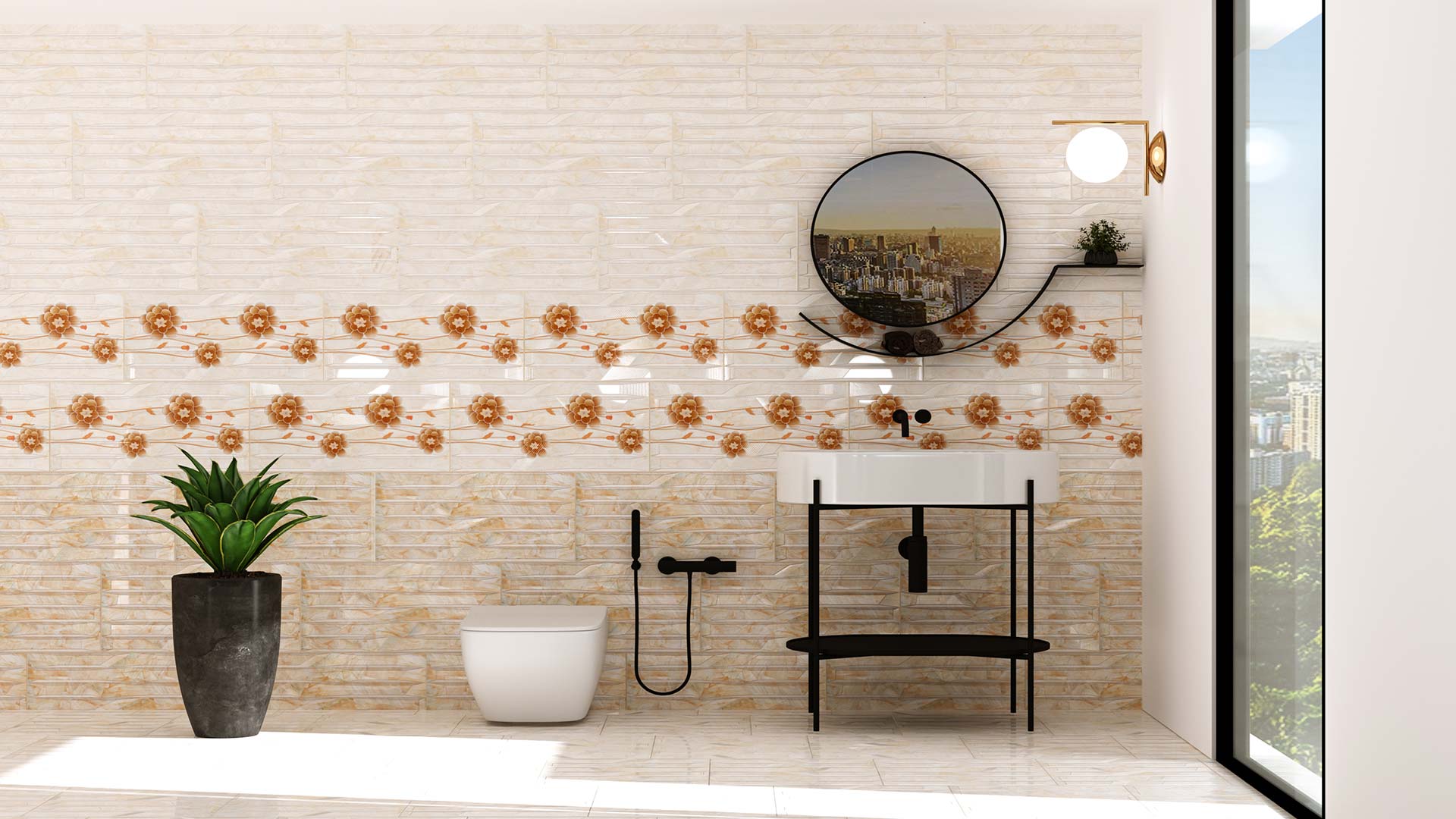
Marble Texture Tiles: A Demonstration of Elegance
Introduction: Marble is a texture that is a popular choice for many uses, such ...
/ 19 October 2026
You finally have new tiles in your home. The mistri has packed up, the dust is settling, and then you notice them: grey smears near the corners, hard white lumps along the grout lines, and a cloudy film that won’t come off with a regular mop.
This happens on almost every tiling job in Bangladesh. Masons work fast, cement slurry splashes, and whatever isn’t wiped away within the hour starts hardening on the surface.
The good news is that you can remove cement stains from tiles without damaging them. You just need the right method for how old the stain is and what kind of tile finish you have. This guide covers both.
Cement, tile adhesive, and grout all contain lime and fine mineral particles. When wet slurry dries on a tile, the water evaporates and leaves those minerals bonded to the surface.
Thick splashes turn into hard lumps. Thin smears, especially from grout being wiped with a dirty sponge, leave a whitish haze that many people mistake for a defect in the tile itself.
Humidity also plays a part. During the monsoon, slurry dries slowly and spreads further when people walk across a freshly laid floor. That’s why cement residue on floor tiles is often worse in rainy-season projects.
Not every tile can handle the same treatment, so this step matters more than any cleaning product.
Glossy and glazed surfaces are the most forgiving. Their glass-like top layer resists absorption, so cement sits on top rather than sinking in. Tiles such as glazed porcelain can usually be scraped gently and cleaned with a mild cement remover.
Matte and unglazed tiles are trickier. Their slightly open surface lets fine residue settle into tiny pores, which is also why cleaning matte porcelain tiles takes a softer, more patient routine than glossy ones.
High-polish surfaces sit somewhere in between. They resist stains well, but a blade or rough pad can leave visible marks on a mirror-like finish. If you’re unsure what you have, test every method on a single tile in a corner or behind a door first.
Here’s a quick way to figure out where to begin:
Always start with the gentlest option. Move to the next step only when the previous one stops working.
If the tiling is happening right now, this is the easiest win you’ll get.
Keep a bucket of clean water and a soft sponge on site. Wipe slurry off the tile face within 15 to 30 minutes of it landing, and rinse the sponge often. A dirty sponge just spreads a thin layer of cement across the whole surface, which later dries into that frustrating haze.
Once the area is clear, a final wipe with mild detergent and water does the rest. It’s the same gentle routine that works for everyday ceramic tile care , and at this stage it’s usually all you need.
Most homeowners discover the problem after the work is finished. Here’s how to remove dried cement from tiles without force.
Soak the stain. Lay a wet cloth over the lump or spray it with warm water and leave it for 10 to 15 minutes. Water softens the outer layer and makes scraping far easier.
Scrape at a low angle. Use a plastic putty knife or scraper first. On glazed tiles, a new razor blade held almost flat against the surface can lift stubborn spots. Keep the blade wet and use short strokes.
Scrub the leftovers. A nylon brush with warm soapy water clears the remaining dust.
Rinse and dry. Wipe with clean water and check the area under good light.
Avoid steel wool, wire brushes, and metal scrapers held upright. They can cut into the glaze, and fixing those marks is a separate job entirely. If an accidental slip does leave a mark, these methods for repairing scratched ceramic tiles can help reduce how visible it is.
When scraping removes the lumps but a cloudy film remains, you’re dealing with cement haze. This is where a dedicated cement stain remover for tiles comes in.
These products are usually mild acid formulations designed to dissolve the lime in cement. For a light haze, a mix of white vinegar and water in equal parts sometimes works too.
Follow these steps carefully:
Wait for the grout to cure. Acid can weaken fresh grout. Most cement-based grouts need at least several days, so check the packet before you begin.
Wet the area first. Pre-soaking the tiles and grout with plain water stops the cleaner from soaking deep into the joints.
Apply, wait briefly, and scrub. Follow the product label for dilution and contact time. Don’t let it dry on the surface.
Rinse thoroughly. Wash the area two or three times with clean water to remove all acid residue.
Some local mistris reach straight for hardware-store hydrochloric acid. It can work, but it’s harsh on grout, can dull certain finishes, and gives off strong fumes. If you must use it, dilute it heavily and always add acid to water, never water to acid.
It’s also worth knowing that DBL’s own tile care guidelines advise against acidic products for routine cleaning. Cement removal is a one-time, post-installation job, not something to repeat every week.
Grout joints often hold more cement residue than the tiles themselves, since slurry settles into the gaps.
Use a narrow nylon brush or an old toothbrush with warm soapy water. Work along the line rather than across it, so you don’t loosen the grout. For heavier buildup, the same pre-wet and diluted cleaner approach from Method 3 applies, with a gentler touch.
If the grout still looks dull after the cement is gone, these practical ways to clean floor tile grout in Bangladeshi homes will bring back its original color.
Textured surfaces need extra patience. On anti-slip tiles , the grip pattern catches cement in its ridges, so a flat scraper won’t reach it. A stiff nylon brush and repeated soaking work much better than force.
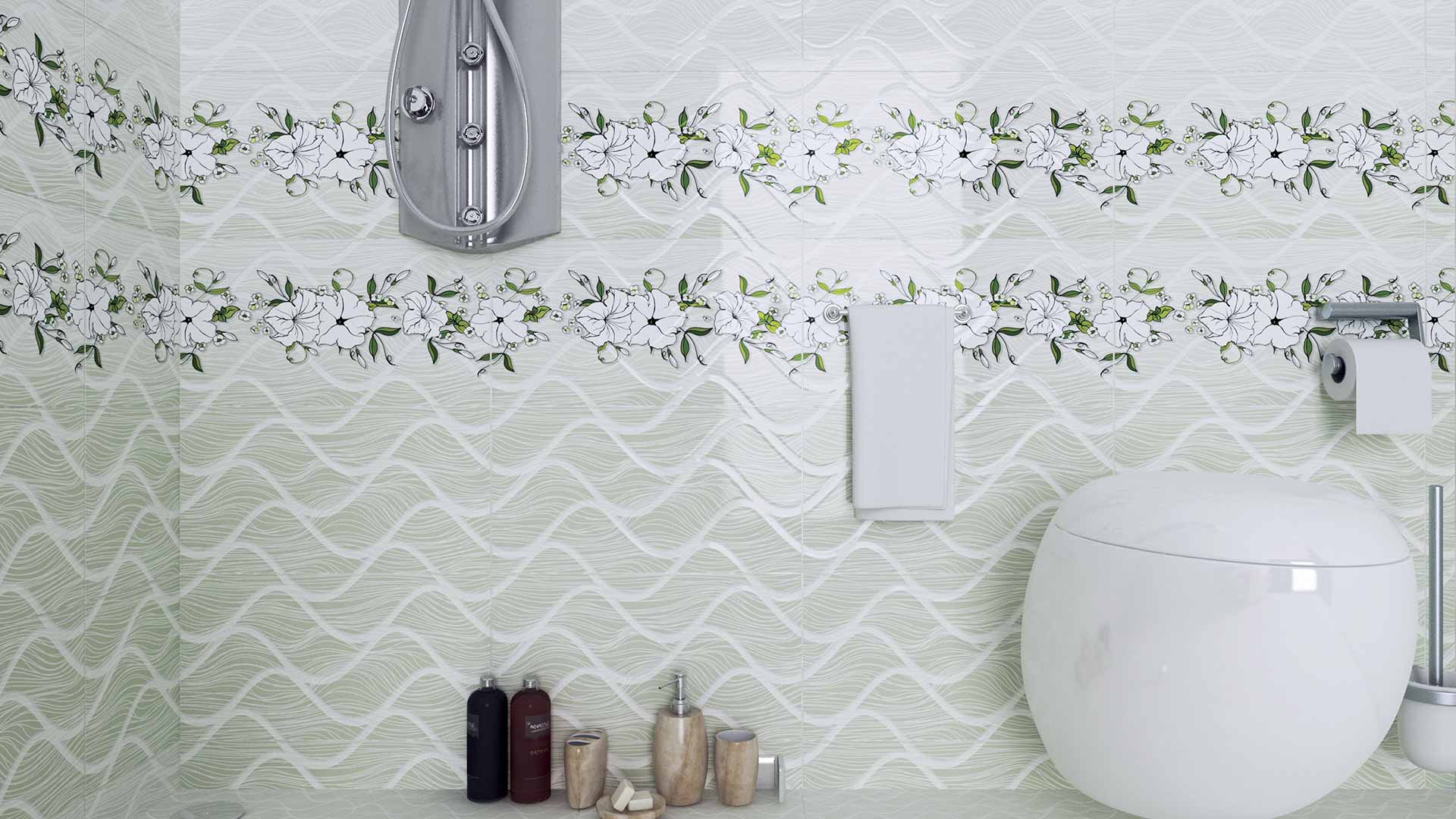
Wall tiles in bathrooms and kitchens bring a different challenge: drips. Cement often runs down the wall during installation and dries in streaks. Work from the top down, and protect fittings like taps and shower mixers from any acid cleaner. Once the residue is cleared, a regular routine for cleaning bathroom wall tiles keeps them fresh.
Bathrooms in many Dhaka apartments are small with limited airflow, so open the window and run the exhaust fan whenever you use any chemical cleaner.
A few shortcuts cause more harm than the stain itself:
Using undiluted acid. It can etch glazes and eat into grout.
Scrubbing with abrasive powders or steel wool. These leave fine scratches that collect dirt later.
Skipping the patch test. A product that’s fine on one finish can mark another.
Leaving cleaner to dry. Dried chemical residue creates a new haze.
Mixing chemicals. Never combine bleach with acid cleaners. The fumes are dangerous.
If an aggressive cleaner has already left the surface looking dull, learning how to polish tiles safely may help restore some of the shine.
Prevention costs almost nothing compared to the cleanup.
Ask your mason to wipe as they work, not at the end of the day. Cover finished sections with cardboard or plastic sheeting while plastering or painting continues above. Keep foot traffic off fresh floors until the grout has set, and do a proper water clean within a day of finishing.
These small habits, agreed upon before work starts, save hours of scraping later.
Learning how to remove cement stains from tiles comes down to three things: acting early, matching the method to the stain’s age, and respecting the tile’s finish. Fresh slurry needs only water and a sponge. Dried lumps need soaking and careful scraping. Stubborn haze calls for a diluted cement remover, used only after the grout has cured and always followed by a thorough rinse.
Take it slow, test first, and protect yourself with gloves and good ventilation. Once the cement is gone, a consistent routine for taking care of your tiles will keep them looking the way they did on day one.
Soak the dried cement with warm water for 10 to 15 minutes, then scrape it off with a plastic scraper or a razor blade held at a low angle on glazed tiles. Scrub the remaining residue with a nylon brush and soapy water. For any haze left behind, use a diluted tile-safe cement remover and rinse thoroughly.
Yes, for light cement haze. White vinegar is a mild acid that can dissolve thin lime deposits. Mix it with equal parts water, apply it to a pre-wet surface, scrub gently, and rinse well. It won’t work well on thick lumps, which need scraping first. Avoid vinegar on natural stone such as marble.
Diluted acid-based cleaners are commonly used for post-installation cement removal, but they need care. Wait until the grout has cured, wet the surface first, follow the label’s dilution, and rinse completely. Undiluted acid can damage grout and dull some finishes, so a commercial cement stain remover for tiles is the safer choice.
Wipe fresh slurry immediately, ideally within 30 minutes. For acid-based cleaners, wait until the grout has fully cured, which usually takes at least several days. Check the grout manufacturer’s instructions for the exact time, as it varies by product and humidity.
That cloudiness is usually cement or grout haze, a thin mineral film left by slurry wiped with a dirty sponge. Regular mopping won’t remove it. A diluted cement haze remover or a vinegar and water solution, followed by two or three clean water rinses and a dry cloth, typically clears it.
Introduction: Marble is a texture that is a popular choice for many uses, such ...
Whether you agree with it or not, a house's bathroom is an essential space for p...
Do you ever feel like your tiny bathroom is enclosing you? Does it still seem cl...
Floor tiles is the most important element in making a home look modern nowadays....
The world is going ahead in every sector, including technology, agriculture, edu...
Have you ever entered a room that instantly amazes you? Alongside the decoration...
Tiles are not just for decoration. Good tiles with good and classy designs add b...
A small living room is intimate, cosy, and quite challenging to decorate! A smal...
What immediately comes to your mind when you think of remodelling your home? W...
When walking across a tile floor, you may notice scratching, cracking, or bounci...
People often stress about kitchen backsplashes, living room tiles and even porch...
Good walls make good impressions. The first thing people notice about your prope...
When discussing the floor, most people still continue to use the same concept of...
When designing or renovating a home, the bathroom often becomes an afterthought,...
The phrase "homogeneous tiles" can be used to select tiles for your house or pla...
Carpet tiles, also known as carpet squares, are small, east-cut carpet pieces th...
Standing on your shining floor in a lazy afternoon, one curiosity might have str...
Imagine stepping into your kitchen after a long day in the bustling streets of D...
A good flooring defines the character of a home. When your guests step on the fl...
Let's be honest: your kitchen tiles have seen better days. Between the tomato sa...
Have you ever walked into your kitchen, looked around, and felt like something j...
Have you ever walked into someone's living room and immediately felt l...
The kitchen is often considered the heart of the home. It is a place where meals...
The use of wall tiles in modern home decor is a necessity, as this product combi...
You walk into a tiles showroom thinking it will take thirty minutes. Two hours l...
Imagine two buildings side by side somewhere in Dhaka. The first monsoon rain of...
You are standing in a tile showroom somewhere in Tejgaon or Mirpur. You have fou...
Your living room is the first thing guests see and the last space you relax in a...
Choosing the right floor tiles size can completely transform how a room look...
In Bangladesh, our kitchens work extra hard. Between high humidity, daily heat, ...
Have you ever walked into a bedroom and felt instantly calm? Not because of the ...
Suppose you walk into an office in Gulshan or Banani. Before you even see the re...
If you have ever slipped on a wet bathroom floor or watched a family member lose...
Standing in a tile showroom, staring at two nearly identical glossy floor tiles,...
Walk into any tile showroom in Dhaka and you will notice a familiar pattern. Buy...
If you are planning a construction or renovation project and searching for a dur...
When you walk into a tile showroom in Dhaka , you will almost certainly see t...
Walk into almost any busy shop, office lobby or family home in Dhaka and look cl...
In most Dhaka apartments, the balcony works harder than any other part of the ho...