.png)




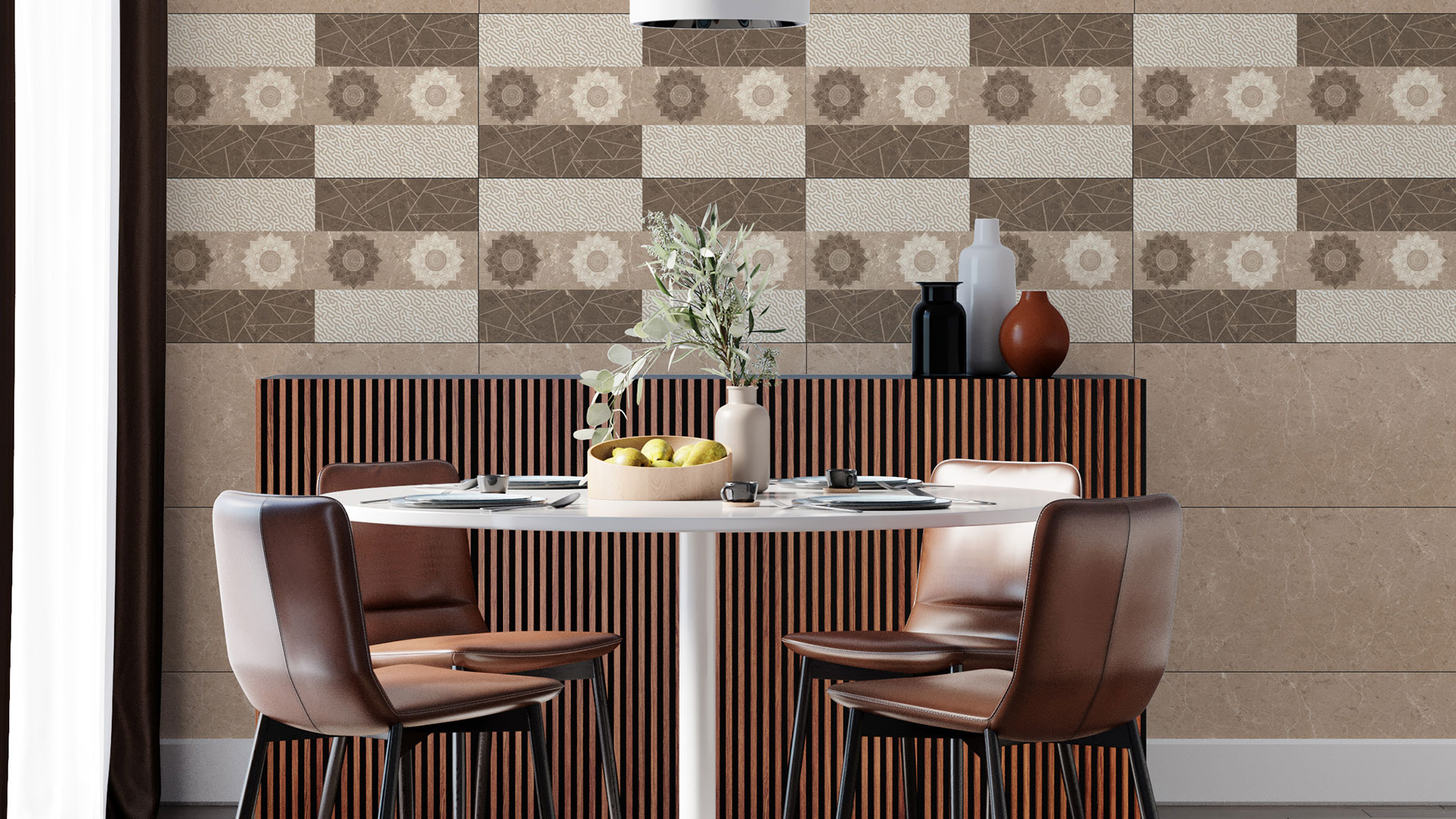
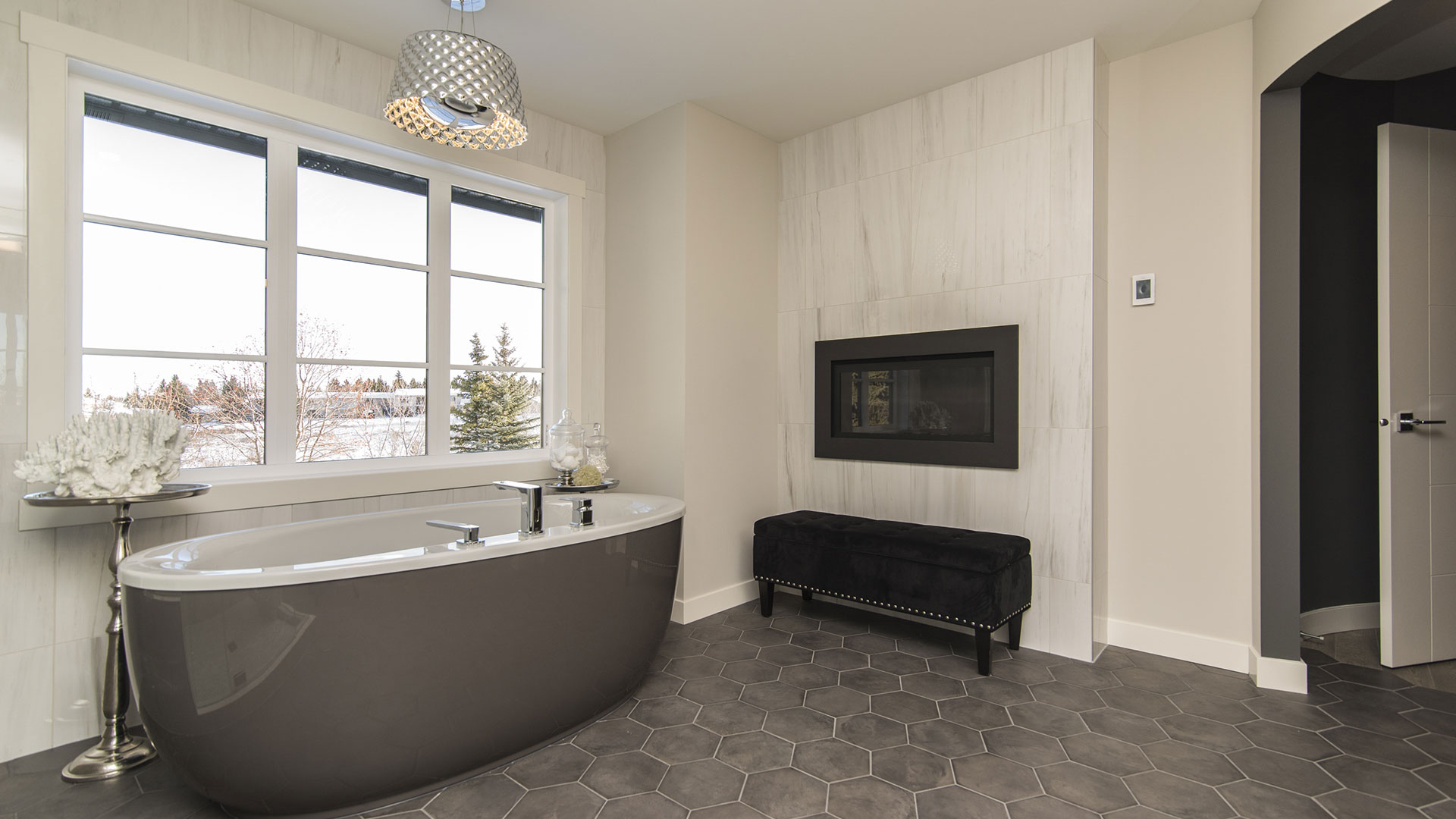
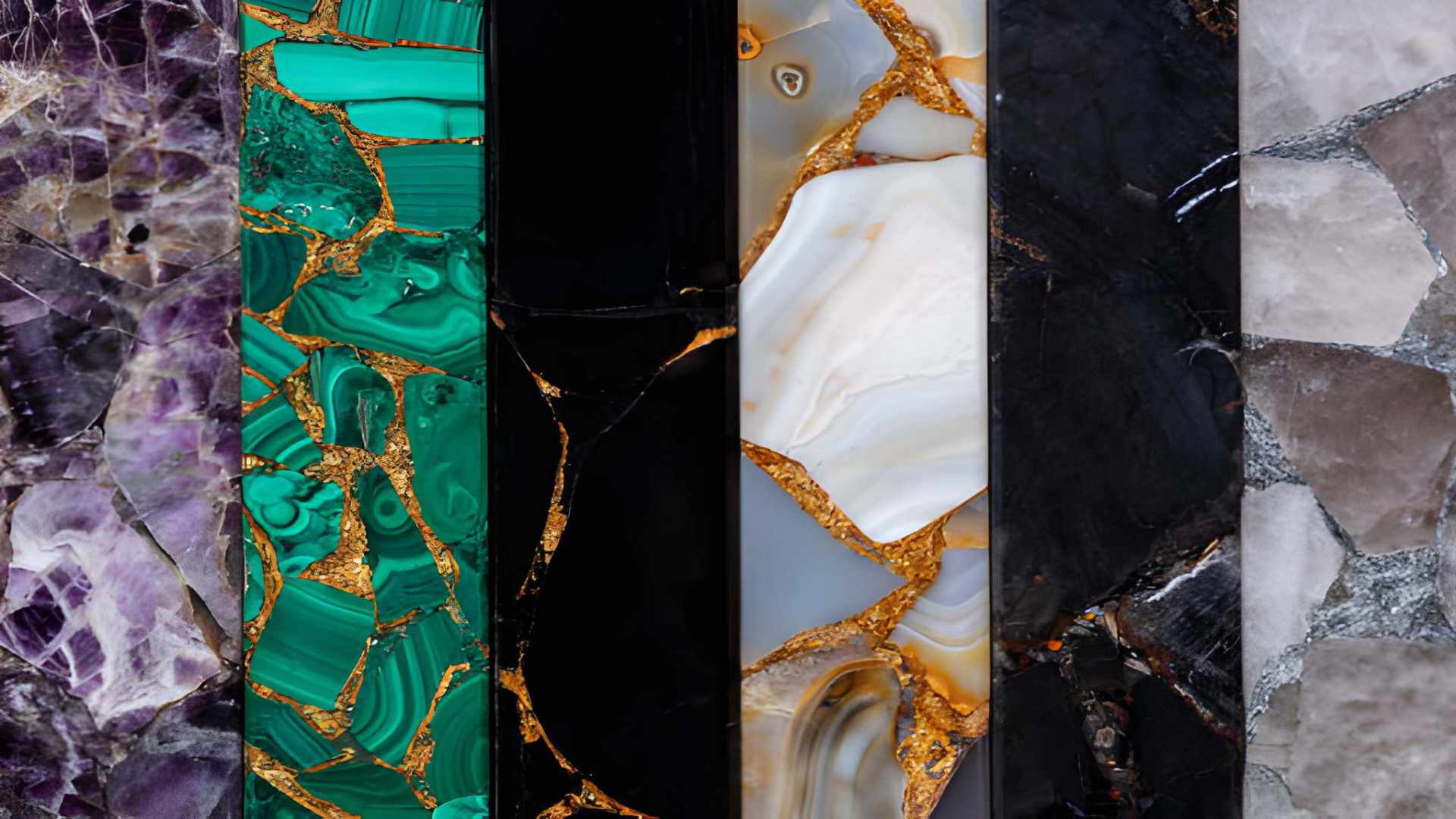
Marble Texture Tiles: A Demonstration of Elegance
Introduction: Marble is a texture that is a popular choice for many uses, such ...
/ 17 September 2026
If you are planning a construction or renovation project and searching for a durable, low-maintenance flooring option, interlock tiles Bangladesh is a topic worth exploring in depth. Interlock tiles have become one of the most preferred paving solutions across the country, from residential driveways to industrial yards, and their popularity is only growing.
This guide covers everything you need to know before making a purchase: types, applications, price ranges, installation basics, and how to find a reliable supplier in Bangladesh.
Interlock tiles are modular paving units designed to fit together without the need for mortar or adhesive. Each tile has a locking edge pattern, typically tongue-and-groove or geometric, that keeps adjacent tiles in position once laid. This self-locking mechanism allows the tiles to distribute load evenly across the surface.
In Bangladesh, interlock tiles are commonly manufactured from concrete, rubber, or high-density polyethylene (HDPE) plastic, each suited for different environments and load requirements.
The demand for interlock tiles in Bangladesh has grown significantly over the past decade, driven by rapid urbanization, infrastructure development, and a shift toward more organized construction practices.
Several factors explain this growing preference:
Durability in tropical conditions: Interlock tiles handle heavy rainfall, heat, and humidity better than plain concrete slabs or natural stone.
Easy installation and repair: Individual tiles can be removed and replaced without disturbing the surrounding surface, which reduces maintenance cost significantly.
Load-bearing capacity: High-quality concrete interlock tiles can withstand heavy vehicular traffic, making them suitable for roads, parking lots, and industrial flooring.
Aesthetic variety: Manufacturers now offer a wide range of shapes, colors, and finishes, making interlock tiles a popular choice for driveways, footpaths, and courtyards.
Permeable options available: Certain interlock tile designs allow water to pass through the joints, reducing waterlogging, which is a persistent challenge in Bangladeshi cities.
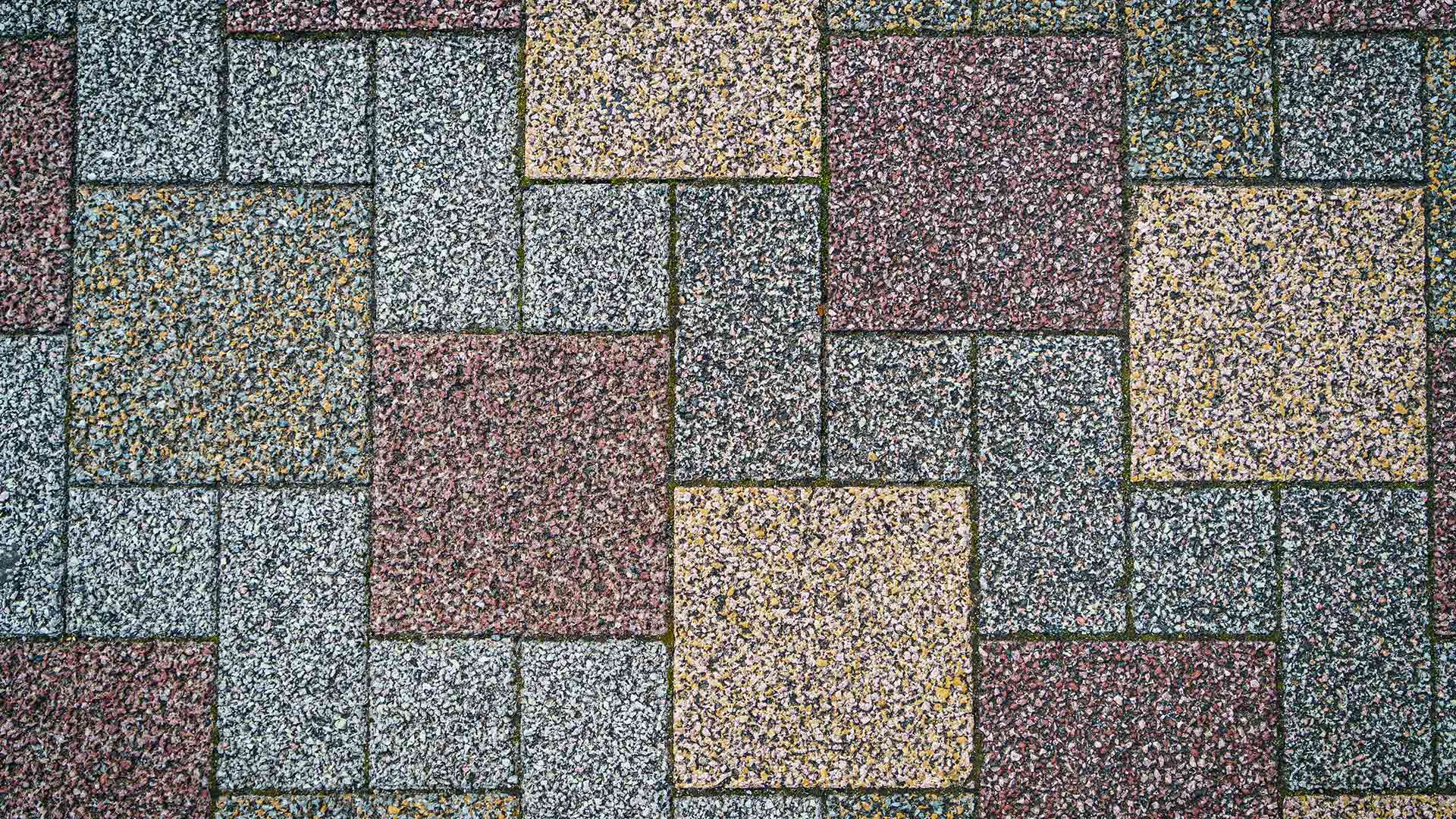
Concrete interlock tiles are the most widely used type in Bangladesh. They are manufactured using cement, coarse aggregates, and fine sand under high pressure, producing a dense, load-resistant product.
Common shapes include:
I-shape (also called "I-brick")
Hexagonal
Holland brick (rectangular)
Fishscale
Concrete interlock tiles are ideal for roads, pathways, driveways, petrol station forecourts, factory floors, and parking areas. Brands and local manufacturers in Dhaka, Chattogram, and Cumilla supply these in large volumes for both private and government projects.
Rubber interlock tiles are made from recycled rubber, often repurposed from used tyres. They are shock-absorbent, slip-resistant, and weatherproof, making them an excellent choice for gyms, playgrounds, children's activity areas, and rooftop terraces.
Their soft surface makes them a safety-conscious option wherever falls and slips are a concern. In Bangladesh, rubber interlock tiles are available in standard square sizes (typically 50 cm x 50 cm) with thicknesses ranging from 10 mm to 40 mm.
High-density polyethylene (HDPE) interlock tiles are lightweight, chemical-resistant, and suitable for areas prone to oil, grease, or chemical spills. They are commonly used in workshops, garages, car wash areas, and food processing units.
These tiles are easy to install, require no tools in many cases, and can be cleaned with a simple pressure wash.
Interlock tiles serve a wide range of applications across residential, commercial, and public sectors in Bangladesh.
Residential use:
Driveways and car parking
Courtyard and garden pathways
Rooftop terracing
Boundary walkways
Commercial and industrial use:
Petrol pump forecourts
Factory floors and warehouses
Loading and unloading bays
Outdoor parking lots
Public and civic infrastructure:
Footpaths and pedestrian walkways
Road shoulders and medians
Parks and recreational spaces
Bus terminals and open plazas
Government bodies including LGED (Local Government Engineering Department) and Rajuk have used interlock tiles extensively in Dhaka and other cities for urban road improvement projects.
Price is one of the first questions buyers ask, and it varies based on material, thickness, shape, and supplier location. Below is a general price reference as of 2024.
Note: Prices are indicative and vary by brand, region, order volume, and material quality. Bulk orders generally attract a discount from manufacturers. Transportation cost from production sites in Dhaka, Gazipur, or Narayanganj to project locations also affects the final landed cost. Always request a site-delivered quotation from your supplier.
Transportation cost from production sites in Dhaka, Gazipur, or Narayanganj to project locations also affects the final landed cost. Always request a site-delivered quotation from your supplier.
Bangladesh has a growing number of concrete products manufacturers who supply interlock tiles. Key production and supply hubs include:
Dhaka and Gazipur: Home to numerous concrete precast manufacturers serving both private clients and government tenders.
Narayanganj: Known for industrial-scale concrete products manufacturing.
Chattogram: Serves construction demand across the southeastern region.
Cumilla and Narsingdi: Emerging manufacturing zones supplying tiles to mid-level contractors.
When evaluating suppliers, check for:
Compliance testing (tiles should meet BSTI standards or equivalent)
Availability of samples before bulk ordering
Consistent color and finish across batches
Delivery capacity and logistics support
Reputable suppliers will provide technical data sheets covering compressive strength, water absorption, and abrasion resistance.
Suppliers like DBL Ceramics have a decent collection of interlocking tiles with modern and elegant designs. Ranging from mirror-polished tiles to glazed porcelain , their collection is impressively diverse.
Selecting the right interlock tile comes down to four key factors.
Application load: For heavy vehicular traffic, choose a minimum 80 mm thick concrete tile with a compressive strength above 35 MPa. For pedestrian pathways, 60 mm thickness is usually sufficient.
Surface environment: Wet or greasy environments call for rubber or HDPE tiles rather than concrete, due to slip resistance and chemical tolerance.
Drainage requirements: If waterlogging is a concern, opt for permeable interlock designs that allow water to pass through gaps rather than pooling on the surface.
Aesthetic preferences: For residential spaces, shape, color, and finish matter as much as function. Choose a pattern that complements the surrounding architecture and landscape.
One of the biggest advantages of interlock tiles in Bangladesh is relatively straightforward installation compared to cast-in-place concrete. However, proper sub-base preparation is the most critical step.
A standard concrete interlock tile installation follows this sequence:
Sub-grade preparation: Excavate to the required depth (typically 200 to 300 mm for roads) and compact the soil.
Sub-base layer: Lay a compacted granular base (gravel or crushed stone) to the required thickness.
Bedding sand: Apply a 25 to 30 mm layer of coarse sand as the laying bed. Do not compact this layer before tile placement.
Tile laying: Place tiles in the chosen pattern, maintaining tight joints.
Compaction: Use a plate compactor to seat the tiles into the sand bed.
Joint filling: Sweep fine sand or stone dust into the joints and compact once more.
Edge restraint: Install concrete kerbs or edge restraints to prevent lateral movement over time.
For interior or lightweight applications such as gym floors or rooftop terraces, the installation process is considerably simpler, often requiring only a clean, level surface.
Long service life when properly installed (20 to 30 years for quality concrete tiles)
No curing time required after installation, surface is usable immediately
Individual tiles can be replaced, avoiding costly full-surface repairs
Wide availability across Bangladesh
Suitable for phased construction projects
Requires proper sub-base preparation to avoid settlement or heaving
Joint sand can erode over time in high-rainfall areas, requiring periodic re-sanding
Initial installation cost can be higher than plain concrete for small areas
Poor-quality tiles (under-compacted or low-cement ratio) crack or chip quickly
Q: What is the minimum order quantity for interlock tiles in Bangladesh? Most manufacturers accept orders from as low as 500 pieces, but large-scale projects benefit from ordering 5,000 pieces or more for better pricing and batch consistency.
Q: Are interlock tiles suitable for rooftop use in Bangladesh? Yes. Rubber and HDPE interlock tiles are popular for rooftop terraces because they are lightweight, require no adhesive, and allow easy access to waterproof membranes underneath for maintenance.
Q: Do concrete interlock tiles need painting or sealing? Concrete interlock tiles do not require sealing in most cases. However, applying a surface sealer can enhance color retention and reduce surface porosity in areas with heavy foot traffic or frequent cleaning.
Q: How do I verify the quality of interlock tiles before buying? Ask for BSTI-certified products or request a compressive strength test certificate. Drop a tile on a hard surface: a quality tile produces a clear ringing sound, while a weak tile sounds dull or produces visible cracks.
Q: Can interlock tiles be used on sloped surfaces? Yes, but the slope gradient should be within 5 to 8 percent for safe pedestrian use. Steeper gradients require anti-slip tile surfaces or additional edge restraints.
Interlock tiles in Bangladesh offer a practical, durable, and increasingly affordable paving solution for a wide range of projects. Whether you are upgrading a home driveway in Dhaka, paving a commercial yard in Chattogram, or laying pedestrian walkways in a township development, the right interlock tile product exists for your need.
The key to a successful project is choosing tiles with verified quality, preparing the sub-base correctly, and sourcing from a reliable manufacturer who can maintain consistency across large orders.
If you found this guide helpful, share it with your contractor or developer. And if you have specific questions about interlock tiles for your project, drop them in the comments below.
Introduction: Marble is a texture that is a popular choice for many uses, such ...
Whether you agree with it or not, a house's bathroom is an essential space for p...
Do you ever feel like your tiny bathroom is enclosing you? Does it still seem cl...
Floor tiles is the most important element in making a home look modern nowadays....
The world is going ahead in every sector, including technology, agriculture, edu...
Have you ever entered a room that instantly amazes you? Alongside the decoration...
Tiles are not just for decoration. Good tiles with good and classy designs add b...
A small living room is intimate, cosy, and quite challenging to decorate! A smal...
What immediately comes to your mind when you think of remodelling your home? W...
When walking across a tile floor, you may notice scratching, cracking, or bounci...
People often stress about kitchen backsplashes, living room tiles and even porch...
Good walls make good impressions. The first thing people notice about your prope...
When discussing the floor, most people still continue to use the same concept of...
When designing or renovating a home, the bathroom often becomes an afterthought,...
The phrase "homogeneous tiles" can be used to select tiles for your house or pla...
Carpet tiles, also known as carpet squares, are small, east-cut carpet pieces th...
Standing on your shining floor in a lazy afternoon, one curiosity might have str...
Imagine stepping into your kitchen after a long day in the bustling streets of D...
A good flooring defines the character of a home. When your guests step on the fl...
Let's be honest: your kitchen tiles have seen better days. Between the tomato sa...
Have you ever walked into your kitchen, looked around, and felt like something j...
Have you ever walked into someone's living room and immediately felt l...
The kitchen is often considered the heart of the home. It is a place where meals...
The use of wall tiles in modern home decor is a necessity, as this product combi...
You walk into a tiles showroom thinking it will take thirty minutes. Two hours l...
Imagine two buildings side by side somewhere in Dhaka. The first monsoon rain of...
You are standing in a tile showroom somewhere in Tejgaon or Mirpur. You have fou...
Your living room is the first thing guests see and the last space you relax in a...
Choosing the right floor tiles size can completely transform how a room look...
In Bangladesh, our kitchens work extra hard. Between high humidity, daily heat, ...
Have you ever walked into a bedroom and felt instantly calm? Not because of the ...
Suppose you walk into an office in Gulshan or Banani. Before you even see the re...
If you have ever slipped on a wet bathroom floor or watched a family member lose...
Standing in a tile showroom, staring at two nearly identical glossy floor tiles,...
Walk into any tile showroom in Dhaka and you will notice a familiar pattern. Buy...
When you walk into a tile showroom in Dhaka , you will almost certainly see t...
Walk into almost any busy shop, office lobby or family home in Dhaka and look cl...
In most Dhaka apartments, the balcony works harder than any other part of the ho...