.png)




Marble Texture Tiles: A Demonstration of Elegance
Introduction: Marble is a texture that is a popular choice for many uses, such ...
/ 07 September 2026
Walk into any tile showroom in Dhaka and you will notice a familiar pattern. Buyers spend time in front of glossy floor tiles. They study marble-effect slabs and polished porcelain samples. But somewhere along the wall display, a small label reads "glazed punched wall tiles," and most people walk straight past it.
That is not because the tiles aren't worth looking at. It's because the name doesn't immediately tell you what you're getting. Without knowing what "glazed" and "punched" actually mean in tile manufacturing terms, the product just blends into the shelf alongside a dozen other categories.
This guide changes that. If you're renovating a bathroom, planning a kitchen backsplash, or looking for a feature wall option that does something genuinely different, glazed punched wall tiles deserve a proper look before you decide.
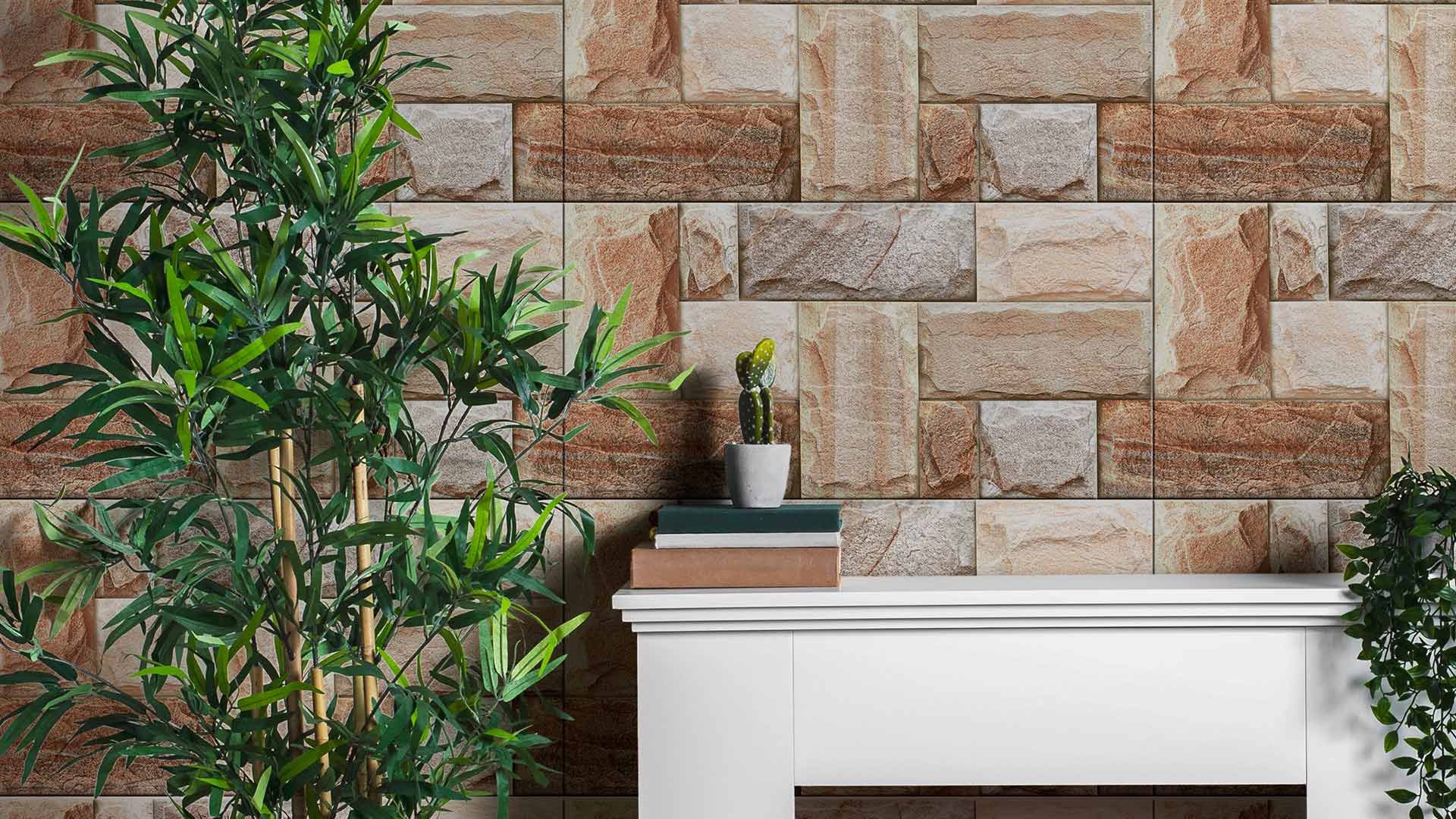
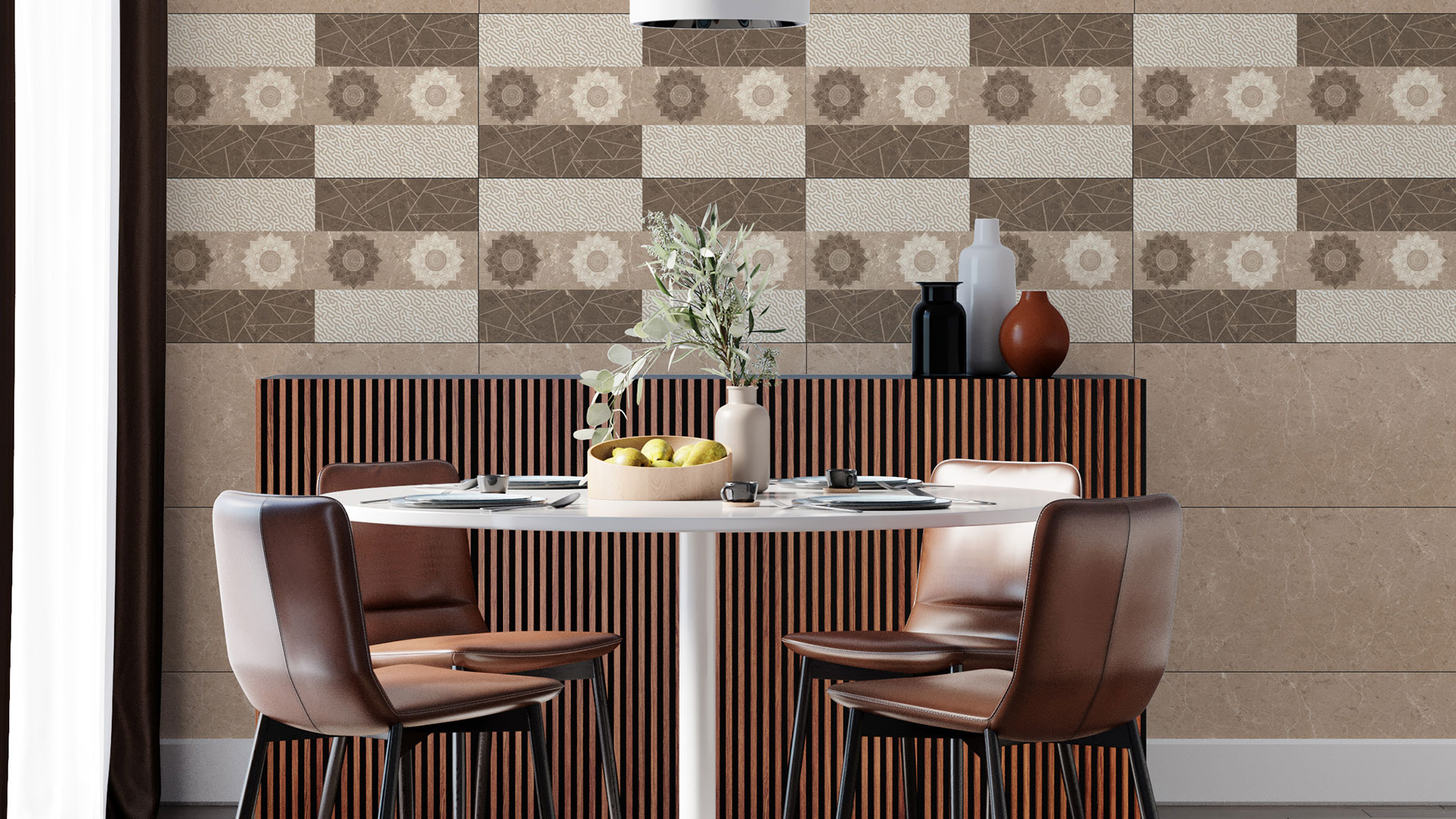
Glazed punched wall tiles are a category of ceramic wall tiles that combine two distinct manufacturing characteristics: a glazed surface finish and a physically embossed, or "punched," decorative pattern pressed into the tile body before firing. The result is a wall tile with genuine three-dimensional texture on its surface, covered by a glass-like glaze coating that adds sheen, color depth, and moisture resistance.
The visual effect is markedly different from flat wall tiles. Light hits the raised and recessed areas of the pattern at different angles, creating a subtle shadow and highlight play across the wall surface. In a bathroom or kitchen where artificial lighting does most of the work, that effect is more noticeable than you might expect from a photograph.
The term "punched" in tile manufacturing refers to a pressing method. After the clay body is prepared, it is compacted under high pressure using a hydraulic or pneumatic ram press. The press forces the clay into a shaped mold, which stamps the decorative relief pattern directly into the tile structure.
This happens before any glaze is applied. The pattern is part of the tile's physical form, not a surface decoration that can wear away over time. That distinction matters because it means the texture on a glazed punched tile has genuine physical depth rather than the illusion of it.
Once the shaped tile body is formed and dried, a glaze compound is applied to the surface. Glazes are primarily composed of silica and feldspar, which vitrify at high kiln temperatures to form a hard, glass-like coating fused to the tile body. The tile is then fired at temperatures between 1,000 and 1,250 degrees Celsius.
That glaze layer does several things at once. It seals the porous clay body against moisture and staining. It adds color depth and surface sheen. And because it follows the contours of the punched pattern beneath it, it amplifies the three-dimensional visual quality of the tile rather than flattening it.
This is the key difference from an unglazed textured tile. The glaze enhances the dimensional quality of the pattern while simultaneously making the surface far easier to wipe clean.
Bangladesh's tile market offers several categories of decorative wall tiles, and the terminology can blur together quickly. Understanding where glazed punched tiles sit relative to the main alternatives helps you make a more precise buying decision.
The table below summarizes the key differences across the four types buyers most often compare.
Plain glazed tiles and glazed punched tiles share the same surface coating, but the similarity ends there. A plain glazed tile is flat. The glaze sits on a smooth surface and reflects light uniformly, which makes it clean and bright. It's an excellent all-purpose wall tile.
A glazed punched tile has depth. The glaze follows the contours of the relief pattern, so light bounces differently across the surface depending on the angle and the direction of the light source. For anyone wanting a wall with genuine design quality rather than just a clean finish, the punched version offers something the plain tile cannot. You can compare the two side by side in DBL Ceramics' plain glazed wall tile range alongside the punched collection.
Both categories are textured, but they belong to different visual worlds. Rustic matt wall tiles have an earthy, non-reflective surface that mimics stone, clay, or aged material. They read as organic and warm. They suit spaces with a traditional Bangladeshi aesthetic or homes going for a handcrafted quality.
Glazed punched tiles are more formal and contemporary. The glaze adds a reflective quality that rustic matt tiles deliberately avoid. Where rustic matt softens and grounds a space, glazed punched tends to elevate and refine it. The choice between the two is fundamentally a question of the interior character you're building.
High definition relief tiles use a combination of inkjet print technology and surface embossing to create highly realistic imitations of stone, fabric, or architectural materials. The design detail can be impressive, but the primary goal is material simulation, making a tile look convincingly like marble, linen, or concrete.
High definition relief tiles are about realism. Glazed punched tiles are about decorative form. If you want your wall to look like it is made of something natural, high definition relief is the right direction. If you want your wall to have a sculptural, decorative quality that is clearly and confidently tile, glazed punched is the stronger choice.
Glazed punched wall tiles are wall-specific products. They are not designed for flooring. But within that category, they suit a wider range of applications than most buyers initially assume.
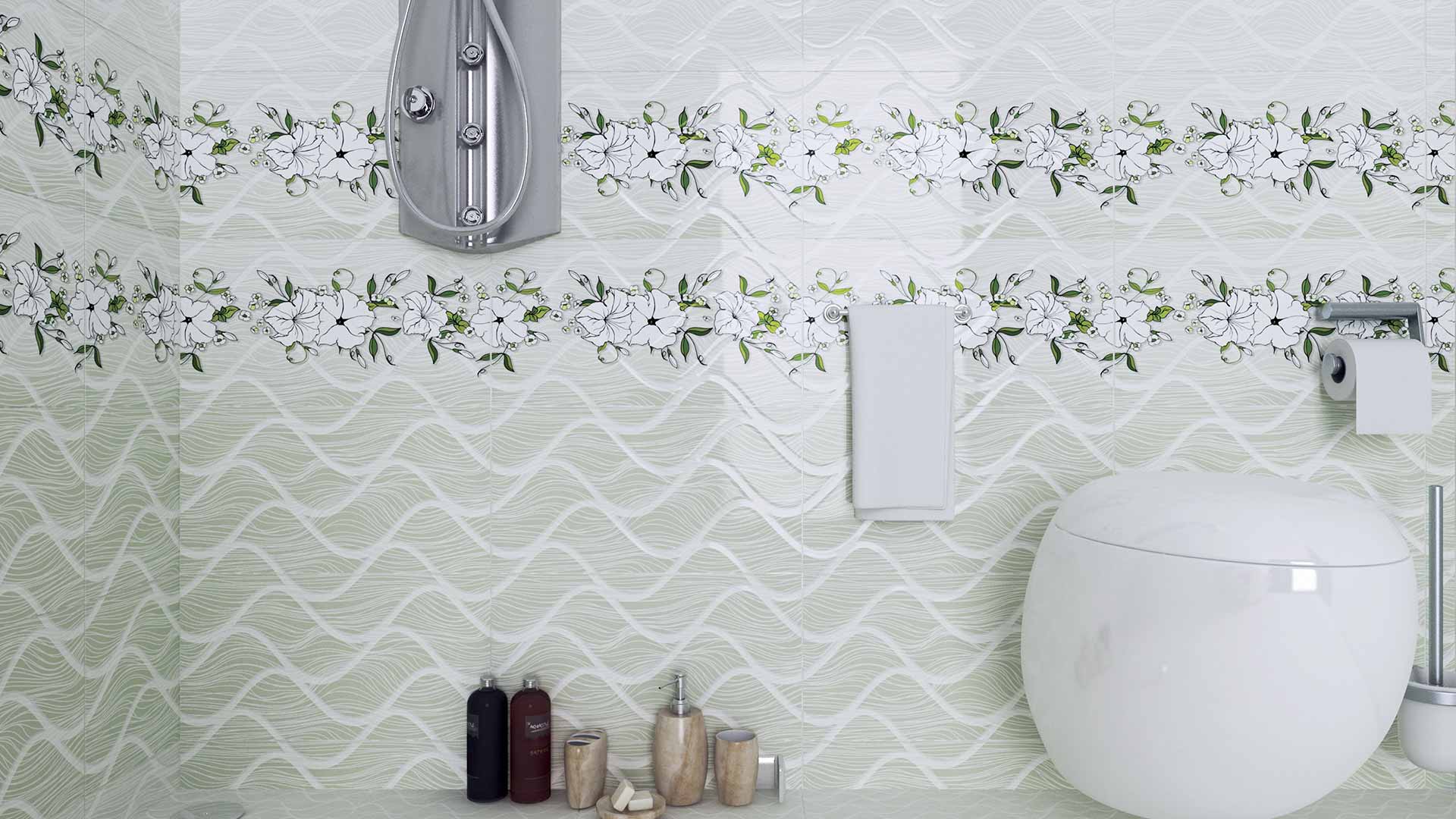
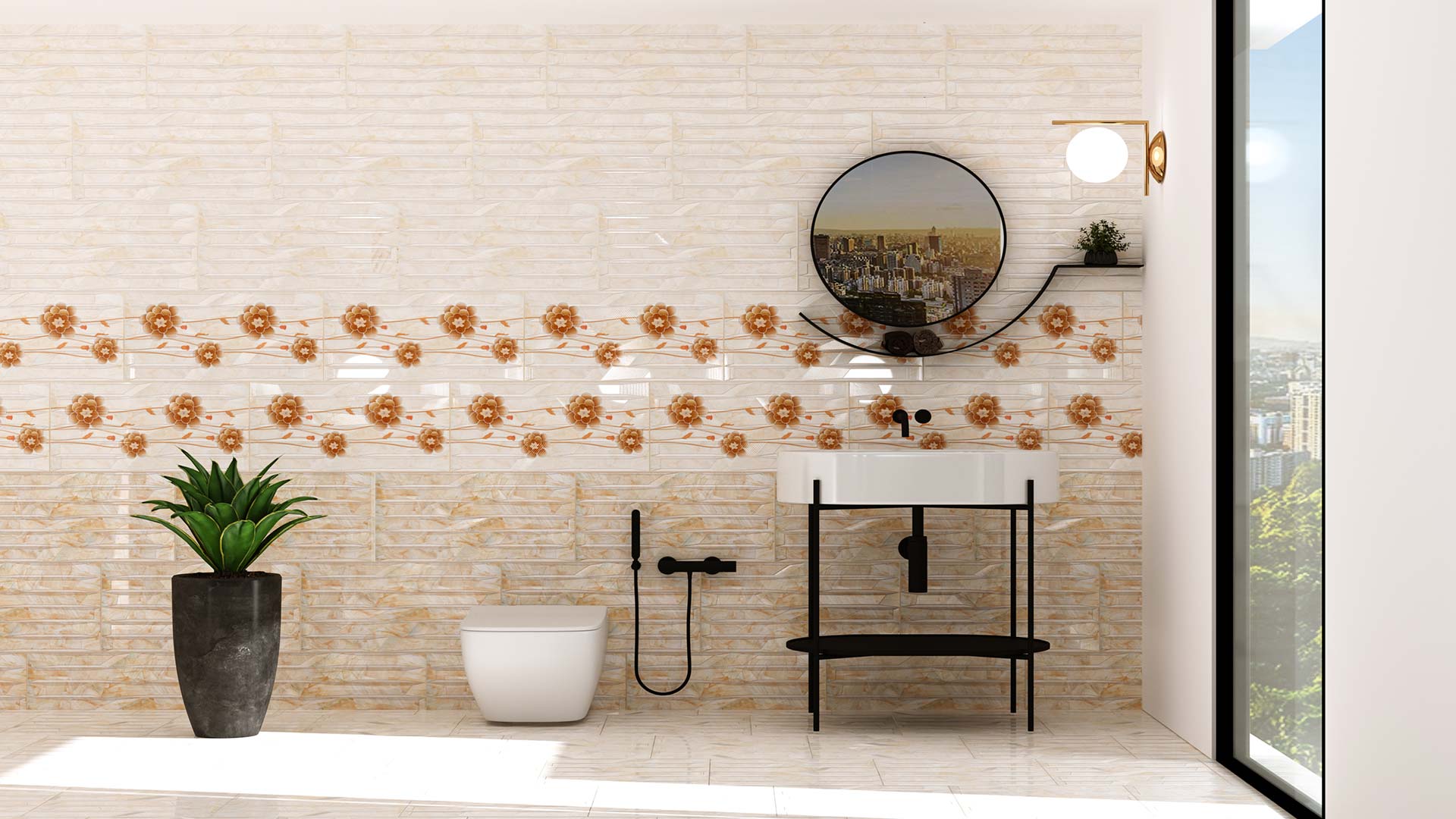
Bathrooms are where glazed punched tiles perform most visibly. The glaze finish handles humidity and water exposure well, making the tile easy to wipe down after showers and baths. In Dhaka apartments where bathrooms are typically compact and often windowless, the light interaction of a punched wall tile can make the space feel less flat and more considered.
The most common application is an accent wall behind the vanity or along the shower surround. Used as a feature surface against plain tiles on the remaining walls, a glazed punched tile creates real depth and visual interest without overwhelming a small space. For a broader look at bathroom tile options, the bathroom tiles collection covers the full range of finishes and formats available.
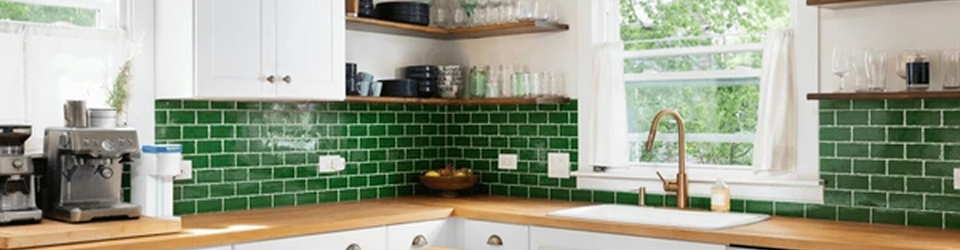
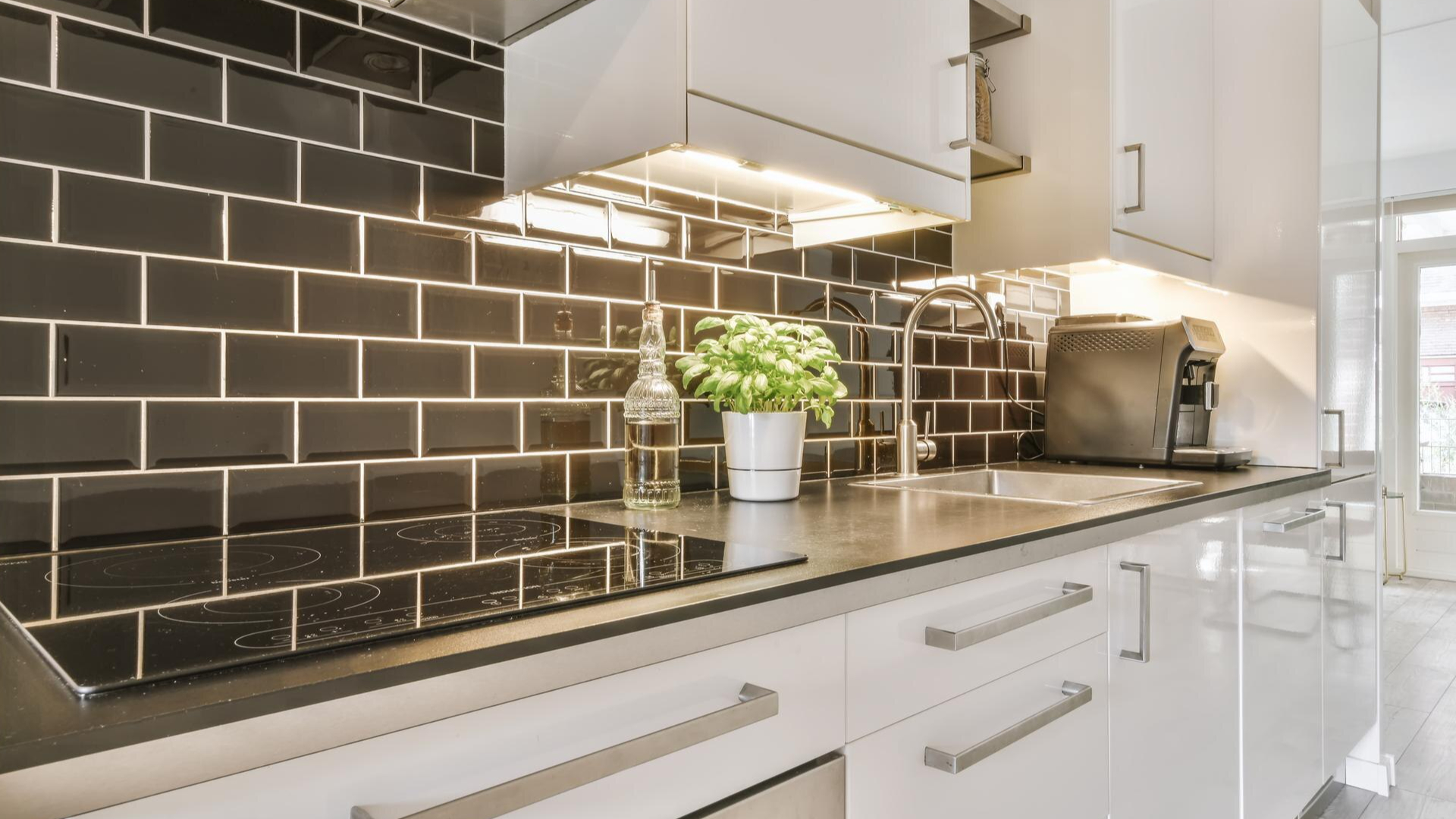
The kitchen backsplash is a natural fit. The glaze handles grease splashes and cooking residue well, and the dimensional quality of the pattern means the backsplash becomes a design element in its own right rather than just a practical wall covering.
This works particularly well in Bangladeshi kitchens where the cooking range and sink are visible from the main room. A punched tile backsplash creates a clear focal point that elevates the whole kitchen without requiring a full renovation. Stick to patterns with regular geometry for a clean result, and coordinate the tile color with the cabinet finish rather than contrasting sharply.
Browse the full kitchen tile collection to see which patterns work across different kitchen setups and cabinet styles.
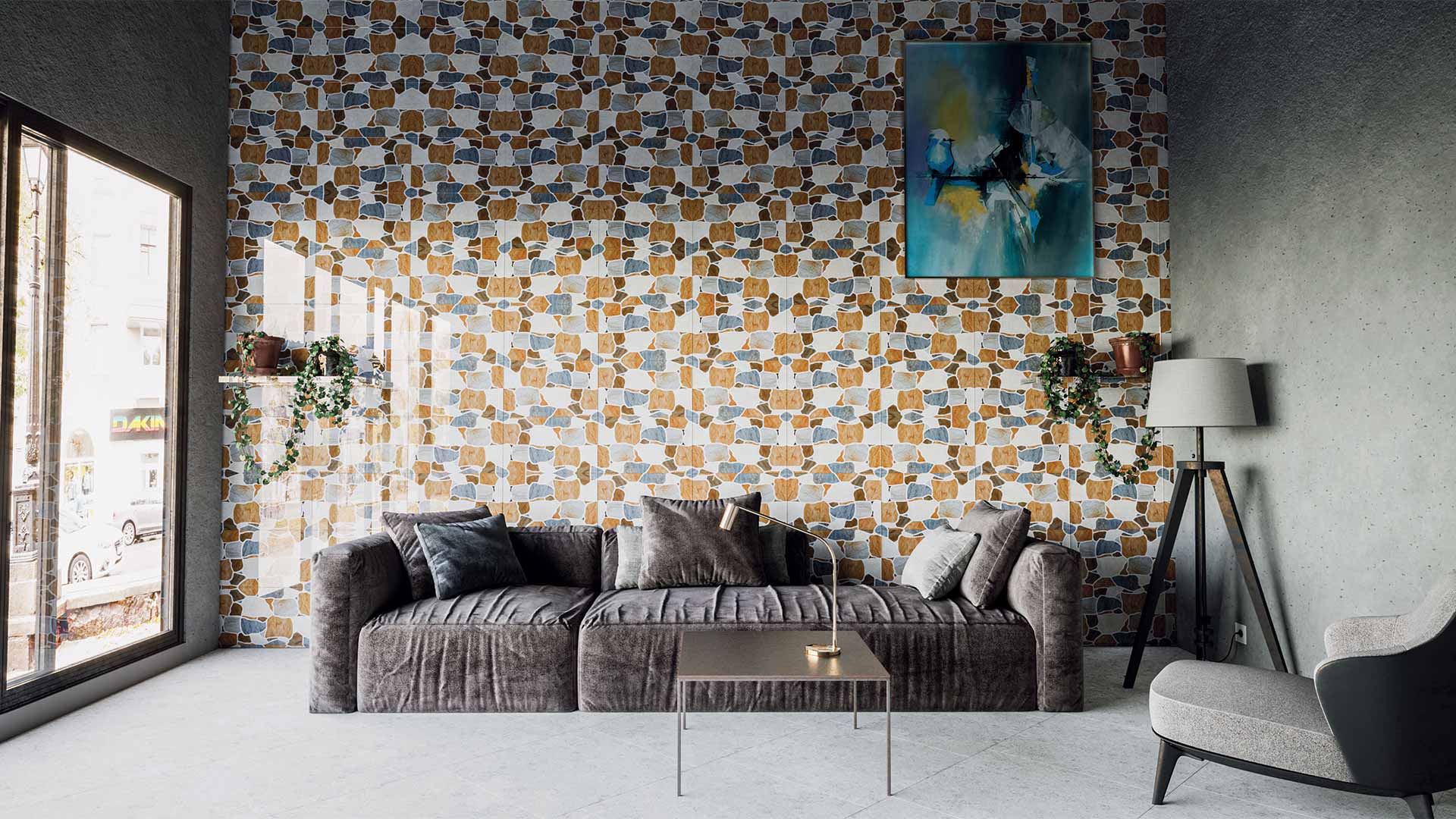
A single feature wall in a living room can anchor the entire interior design of an apartment. Glazed punched tiles are well suited here because their three-dimensional quality responds to ambient lighting in a way that flat tiles simply do not.
The most common application in Bangladeshi homes is the wall behind a television unit or along an entrance corridor. In both cases, the dimensional tile surface creates the sense that the space has been considered and finished rather than just painted and furnished. The living room tile category offers useful reference for how punched and decorative wall tiles integrate with different room layouts and furniture styles.
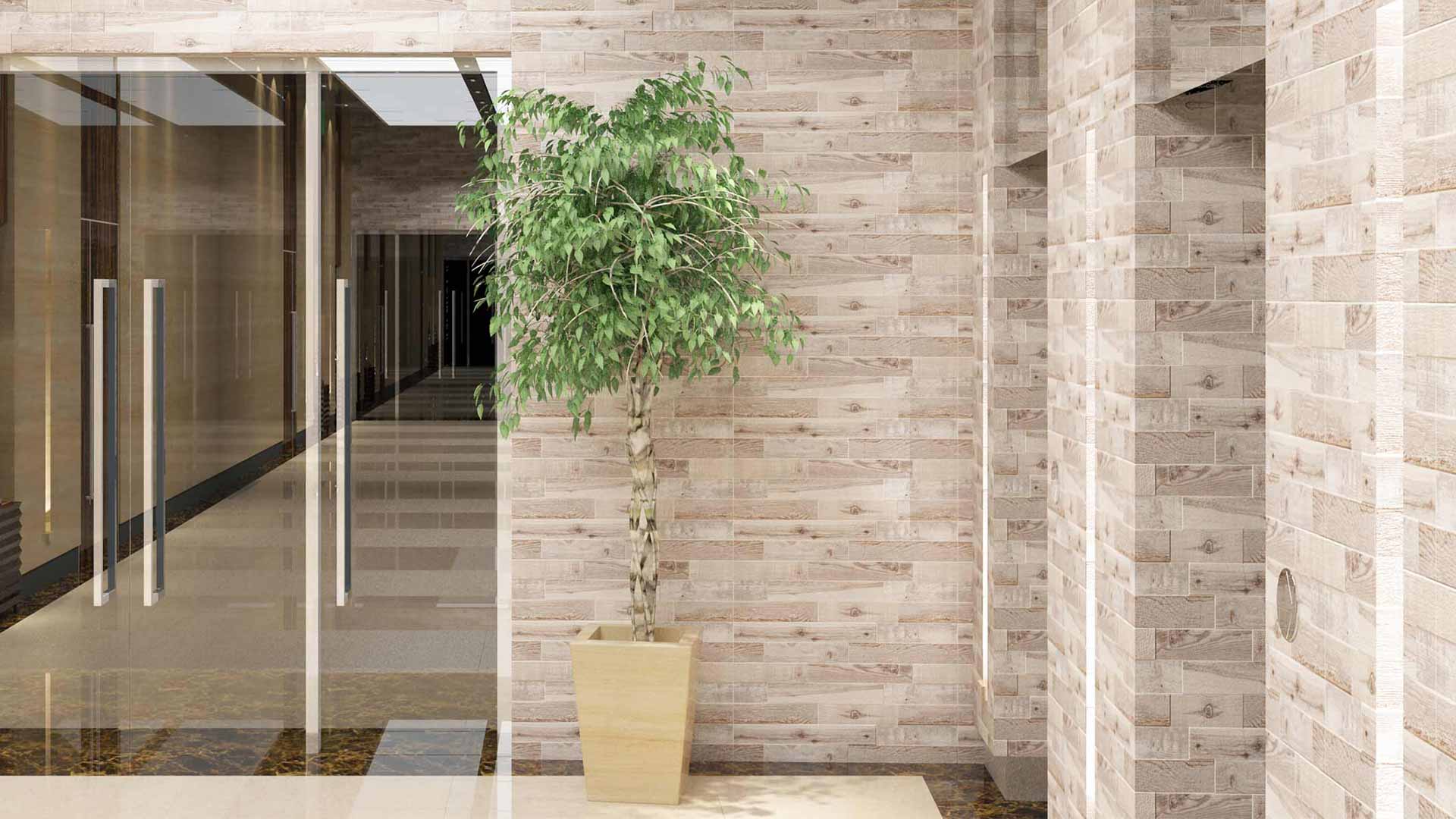
In hotels, corporate offices, restaurants, and commercial buildings, glazed punched wall tiles are increasingly specified for lobby areas and reception walls. The tactile quality of the surface reads as an intentional material choice, which matters in commercial contexts where first impressions carry genuine value.
The dimensional texture also performs well under the kind of directional and recessed lighting common in commercial interiors, where controlled light angles bring the shadow play of a relief tile through clearly. The commercial space tile range offers options sized and finished for high-footfall professional environments.
Knowing the category is one thing. Narrowing down to the right tile for your specific room takes a few more decisions. These are the variables that actually matter.
Glazed punched wall tiles in Bangladesh are typically available in 20x30cm, 25x40cm, and 30x60cm formats. The right size depends on the surface area you're covering and the visual scale you want to achieve.
Smaller formats like 20x30cm suit compact bathrooms and kitchen backsplashes. They create a denser, more traditional pattern rhythm that reads well over short sections of wall. Larger formats like 30x60cm are better for open walls and commercial applications where the tile needs to hold its visual presence across a greater surface area.
Using a large-format punched tile in a small bathroom can feel overwhelming. Using a small-format tile across a long lobby wall can feel fussy. Match the format to the scale of the surface before anything else.
Glazed punched tiles come in a range of design effect categories. Geometric patterns, which include diamond, grid, lattice, and angular forms, suit contemporary and modern interiors. Ornament and floral patterns suit transitional spaces that blend traditional references with contemporary finishes. Linear patterns work well in minimal interiors where the tile adds texture without imposing a strong visual motif.
For spaces like living rooms and lobbies, bolder ornamental patterns create the most impact. For bathrooms and kitchens, cleaner geometric patterns are easier to live with over time. One principle worth keeping in mind: the tile is a backdrop for the room, not the room itself. The pattern should add texture without competing with furniture, fixtures, and fittings.
A glazed punched accent wall alongside a busy floor pattern is a combination that rarely works. The eye needs somewhere to rest.
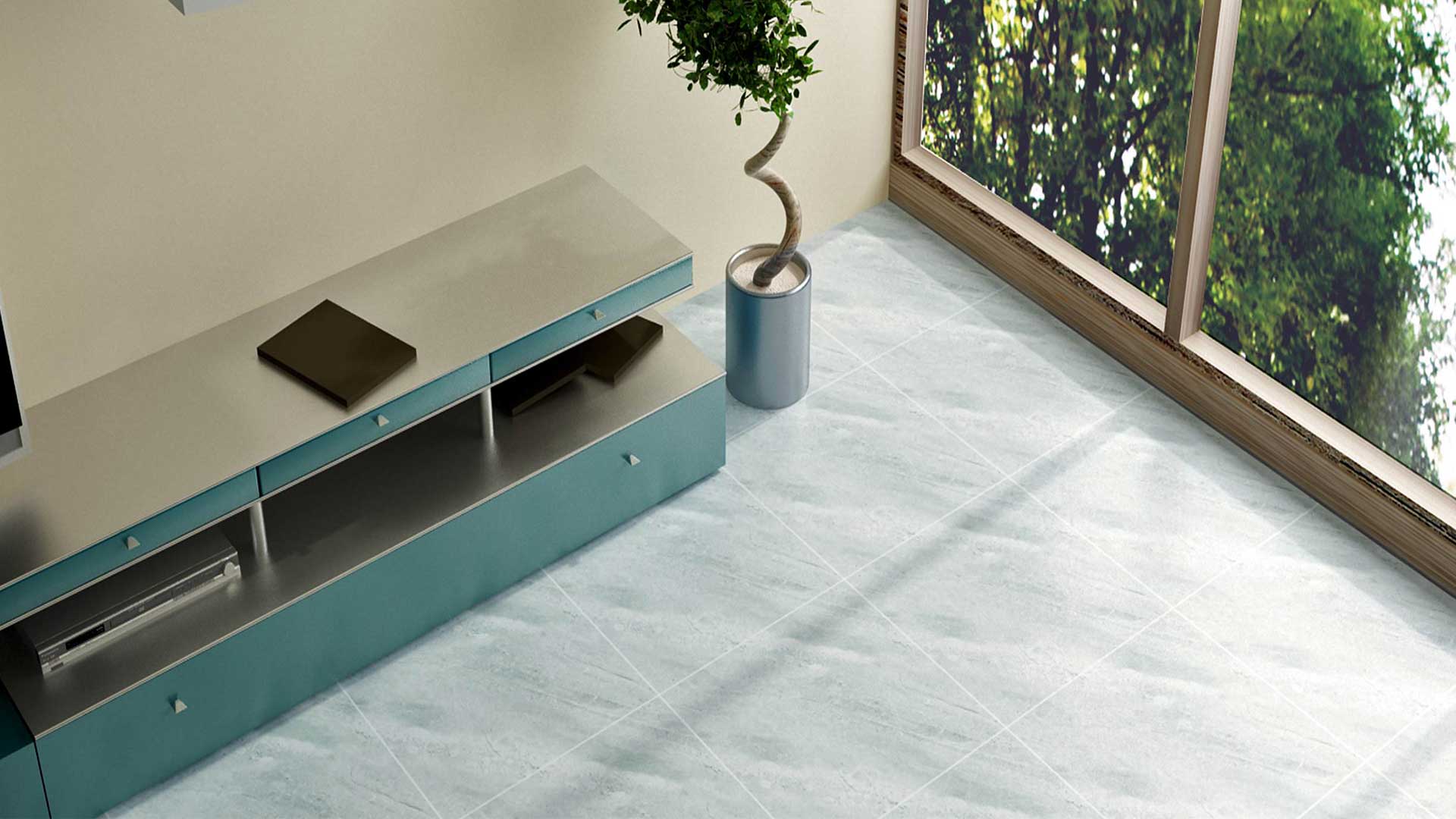
As a general rule, if your wall tile has strong visual texture and dimensional detail, the floor below should be simpler. A plain, large-format floor tile in a complementary color lets the wall tile read clearly rather than creating visual noise between two competing surfaces.
Color coordination matters just as much. The glaze color of the punched tile and the finish of the floor tile should sit in the same tonal family, whether that's warm neutrals, cool greys, or deeper accent tones. Contrast in texture is fine. Contrast in color temperature tends to look unresolved.
Good tiles installed carelessly deliver disappointing results. A few specific considerations apply to glazed punched wall tiles that are worth discussing with your contractor before work begins.
Surface preparation is non-negotiable: The wall needs to be clean, dry, flat, and structurally sound before any tile goes up. Uneven walls cause adhesive to distribute unevenly across the back of a textured tile, increasing the risk of poor bonding. Any high spots should be ground down and any dips filled and cured before installation starts.
Use the right adhesive and coverage: For glazed ceramic wall tiles, a cementitious tile adhesive applied with a notched trowel is standard. The notch size should suit the tile format, with larger tiles requiring a larger notch. For punched tiles, ensure full adhesive coverage across the tile face to prevent hollow spots that can lead to cracking over time.
Plan the layout before cutting: On a feature wall, center the tile layout on the wall before starting from a corner. This ensures the pattern reads symmetrically and that any cut tiles at the edges are equal on both sides. A small adjustment to the starting point can save the finished result from looking visually off-balance.
Consider grout line width and color: For glazed punched wall tiles, a 2 to 3mm grout joint is typical. Narrower joints make the grout less visible and let the tile pattern dominate the surface. Choose a grout color that complements the tile glaze rather than contrasting sharply, unless a contrasting grout is a deliberate design choice. Allow the adhesive to fully cure, typically 24 hours, before grouting.
A common assumption is that textured tiles are harder to keep clean. With unglazed textured tiles, that's genuinely true. Glazed punched tiles are a different case.
The glaze layer seals the tile surface. Moisture, grease, and most common staining agents sit on the glaze rather than penetrating the tile body, which means routine cleaning removes them without heavy effort. A soft-bristle brush, warm water, and a mild pH-neutral cleaner handle the grooves and raised areas of the relief pattern effectively for everyday upkeep.
What to avoid is equally important. Abrasive scrubbing pads and steel wool will gradually scratch the glaze finish, dulling the surface over time. Acidic cleaners, including products containing vinegar or lemon-based compounds, can damage the glaze and weaken grout over repeated use. Bangladesh's humidity means bathroom tiles in particular benefit from a wipe-down after heavy shower use, which prevents soap residue from accumulating in the relief grooves.
Grout lines on textured tiles do require slightly more attention than those on flat tiles. A soft toothbrush and grout cleaner, used monthly in wet areas, keeps the grout clean without requiring heavy intervention. For a detailed routine tailored to different tile finishes, DBL Ceramics' tiles care guide is a practical and reliable reference.
Glazed punched wall tiles are ceramic wall tiles with a physically embossed relief pattern pressed into the tile body during manufacturing, covered by a fired glaze coating. The combination produces a tile with genuine three-dimensional texture and a moisture-resistant, easy-to-clean surface.
Yes. The glazed surface makes them resistant to moisture and straightforward to wipe clean, which suits bathroom conditions well. They work best as accent or feature surfaces rather than full-room coverage, particularly in compact bathrooms where a single textured wall creates impact without overwhelming the space.
Both have a glaze finish, but plain glazed tiles have a flat surface. Glazed punched tiles have a physical relief pattern beneath the glaze, which creates depth and light interaction that flat tiles cannot replicate.
Glazed textured tiles are far more manageable than unglazed ones because the glaze seals the tile surface. Regular cleaning with a soft brush and mild pH-neutral cleaner keeps the grooves and raised areas clean without significant additional effort compared to cleaning a flat tile.
In a compact bathroom, a 20x30cm or 25x40cm format generally works better than larger formats. Smaller tiles create a proportionate visual rhythm in a tight space and are easier to cut neatly around bathroom fixtures.
Yes, particularly for the backsplash area behind the cooking range and sink. The glaze handles grease splashes well and wipes clean easily. Choose a pattern with clean geometric lines for a kitchen backsplash, as it is easier to live with on a daily basis than a heavily ornamental design.
The "glazed punched" label stops making sense and starts making sense the moment you understand what it's actually describing: a glaze finish sitting on a physically sculpted surface that does something flat tiles cannot.
Once you know that, shopping becomes a different experience. You stop walking past and start looking more carefully at how the light moves across the surface, which patterns complement the room you're designing, and which format suits the scale of the wall you're working with.
Visiting a showroom in person is still the best way to make the final call, because the three-dimensional quality of a punched tile is something a product photograph rarely captures fully. DBL Ceramics' display center gives you the chance to see the glazed punched collection under real lighting conditions, which is where the tiles show you exactly what they're capable of.
Introduction: Marble is a texture that is a popular choice for many uses, such ...
Whether you agree with it or not, a house's bathroom is an essential space for p...
Do you ever feel like your tiny bathroom is enclosing you? Does it still seem cl...
Floor tiles is the most important element in making a home look modern nowadays....
The world is going ahead in every sector, including technology, agriculture, edu...
Have you ever entered a room that instantly amazes you? Alongside the decoration...
Tiles are not just for decoration. Good tiles with good and classy designs add b...
A small living room is intimate, cosy, and quite challenging to decorate! A smal...
What immediately comes to your mind when you think of remodelling your home? W...
When walking across a tile floor, you may notice scratching, cracking, or bounci...
People often stress about kitchen backsplashes, living room tiles and even porch...
Good walls make good impressions. The first thing people notice about your prope...
When discussing the floor, most people still continue to use the same concept of...
When designing or renovating a home, the bathroom often becomes an afterthought,...
The phrase "homogeneous tiles" can be used to select tiles for your house or pla...
Carpet tiles, also known as carpet squares, are small, east-cut carpet pieces th...
Standing on your shining floor in a lazy afternoon, one curiosity might have str...
Imagine stepping into your kitchen after a long day in the bustling streets of D...
A good flooring defines the character of a home. When your guests step on the fl...
Let's be honest: your kitchen tiles have seen better days. Between the tomato sa...
Have you ever walked into your kitchen, looked around, and felt like something j...
Have you ever walked into someone's living room and immediately felt l...
The kitchen is often considered the heart of the home. It is a place where meals...
The use of wall tiles in modern home decor is a necessity, as this product combi...
You walk into a tiles showroom thinking it will take thirty minutes. Two hours l...
Imagine two buildings side by side somewhere in Dhaka. The first monsoon rain of...
You are standing in a tile showroom somewhere in Tejgaon or Mirpur. You have fou...
Your living room is the first thing guests see and the last space you relax in a...
Choosing the right floor tiles size can completely transform how a room look...
In Bangladesh, our kitchens work extra hard. Between high humidity, daily heat, ...
Have you ever walked into a bedroom and felt instantly calm? Not because of the ...
Suppose you walk into an office in Gulshan or Banani. Before you even see the re...
If you have ever slipped on a wet bathroom floor or watched a family member lose...
Standing in a tile showroom, staring at two nearly identical glossy floor tiles,...
If you are planning a construction or renovation project and searching for a dur...
When you walk into a tile showroom in Dhaka , you will almost certainly see t...
Walk into almost any busy shop, office lobby or family home in Dhaka and look cl...
In most Dhaka apartments, the balcony works harder than any other part of the ho...