.png)




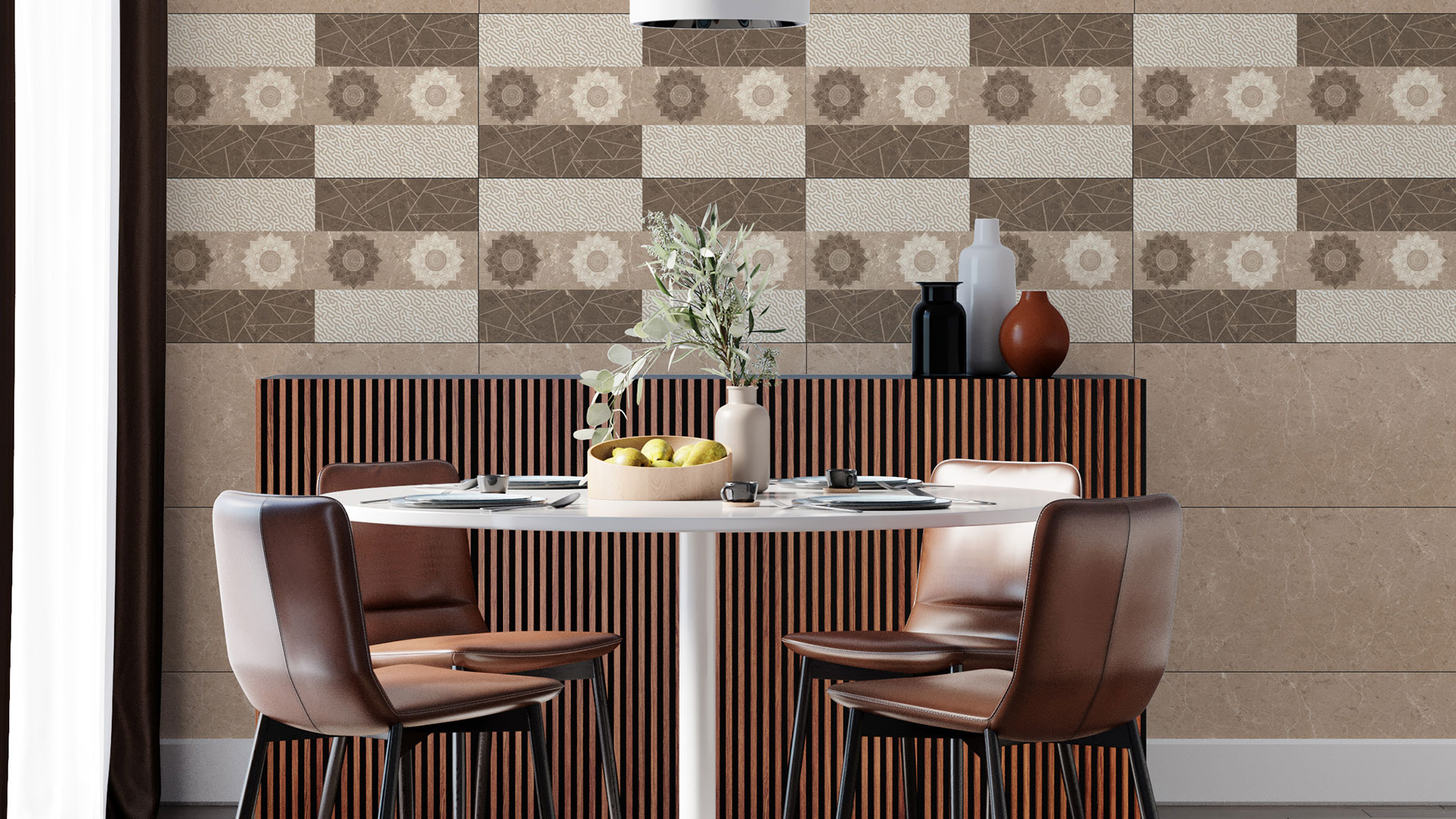
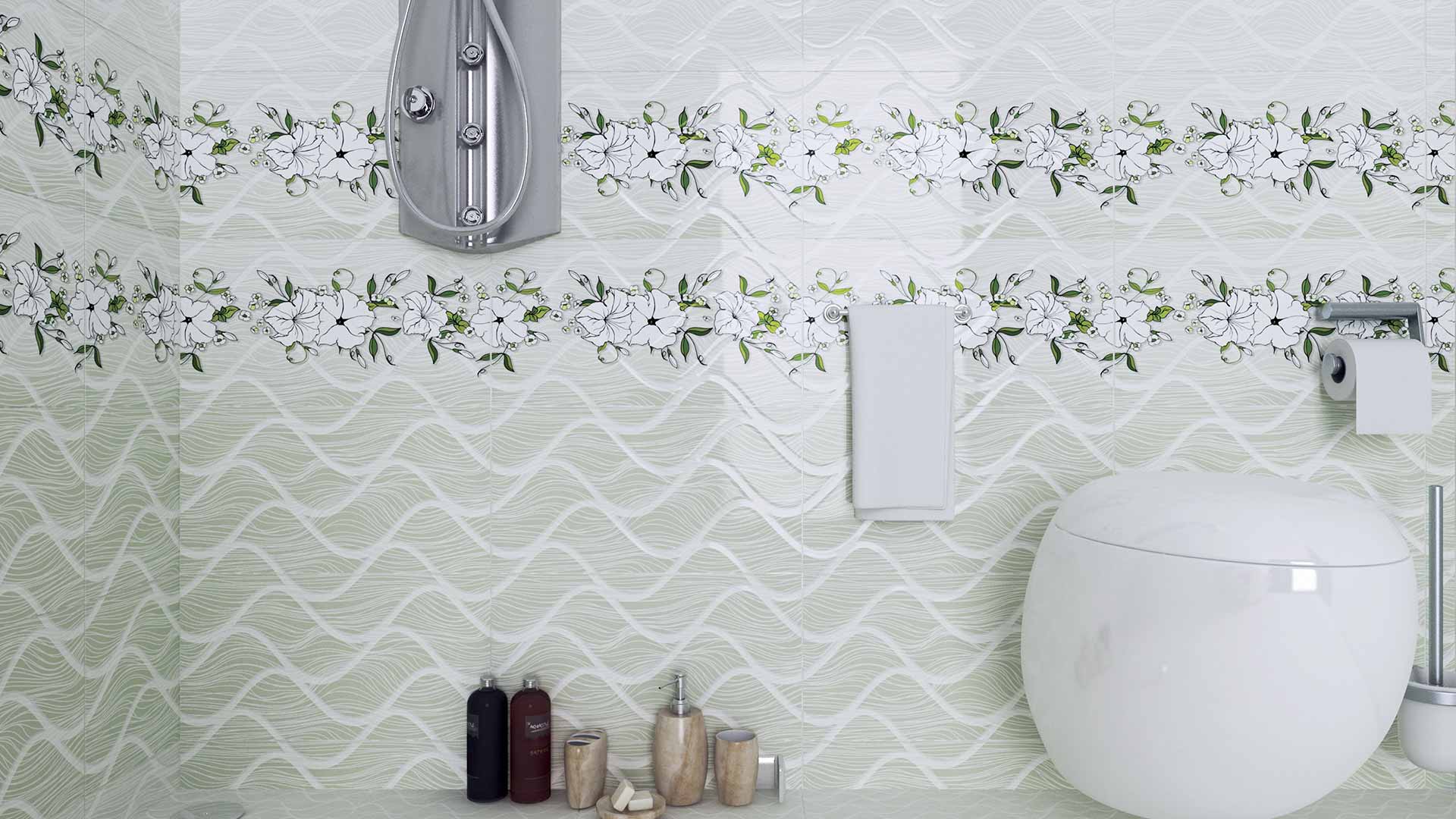
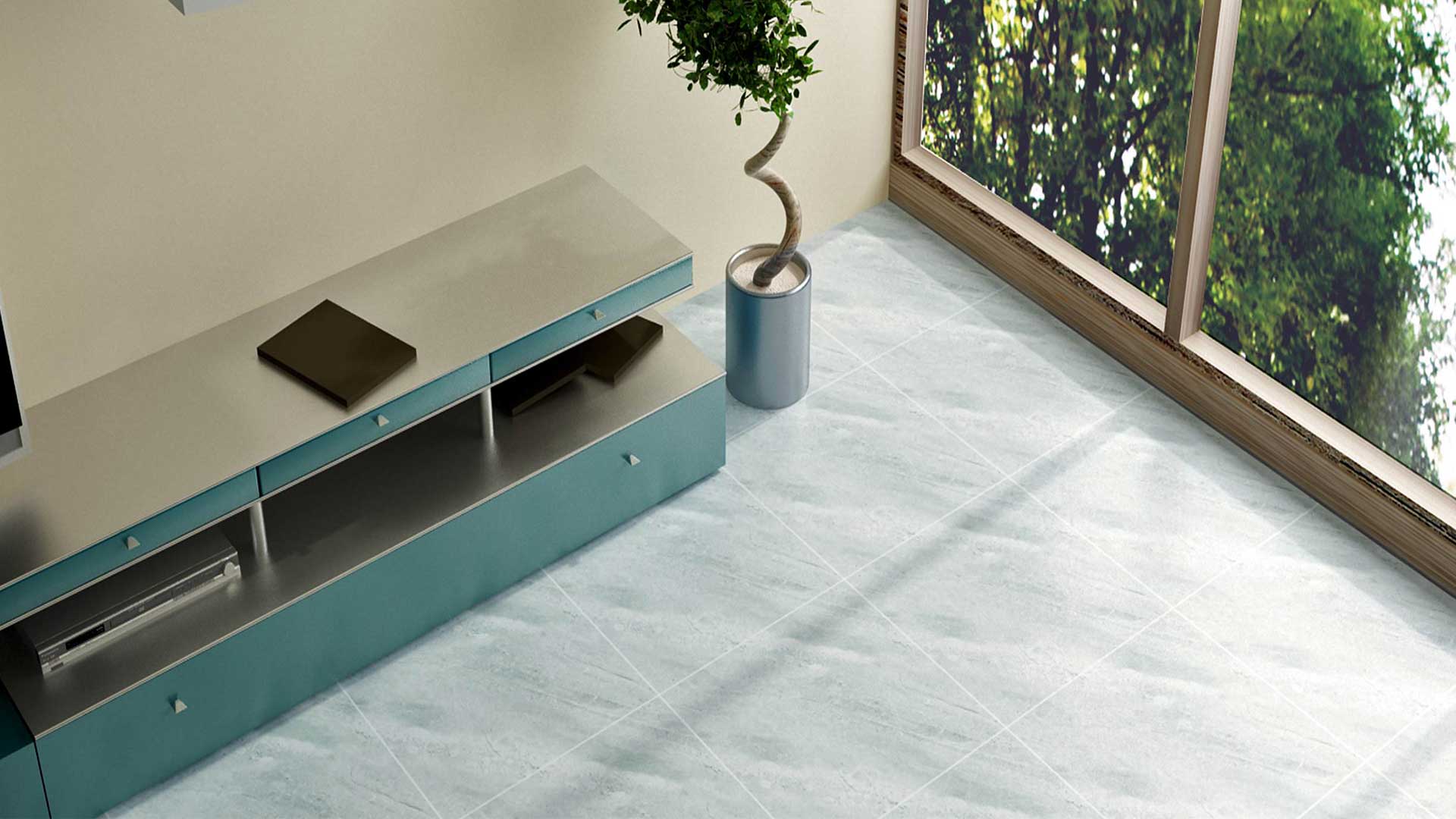
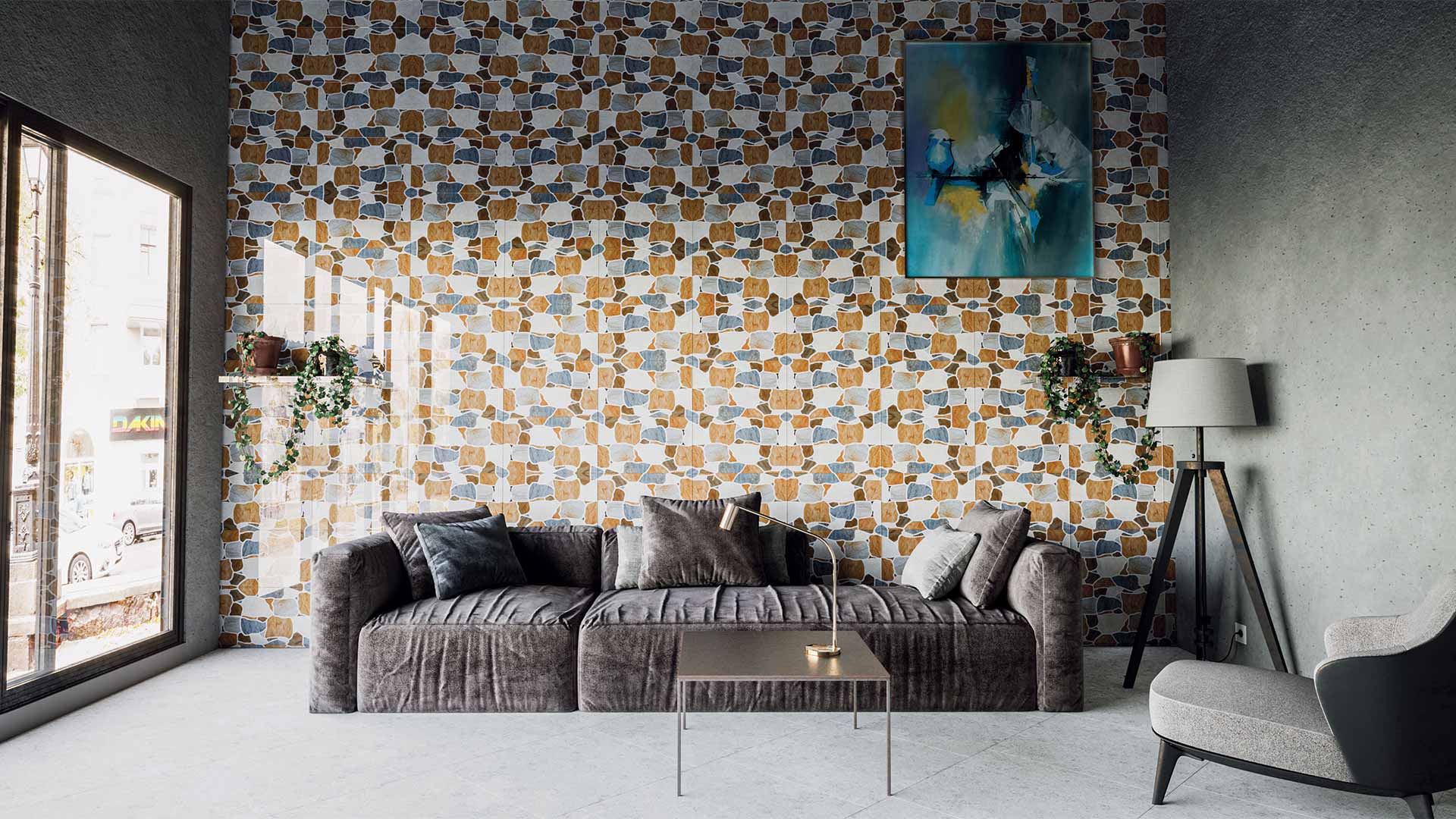
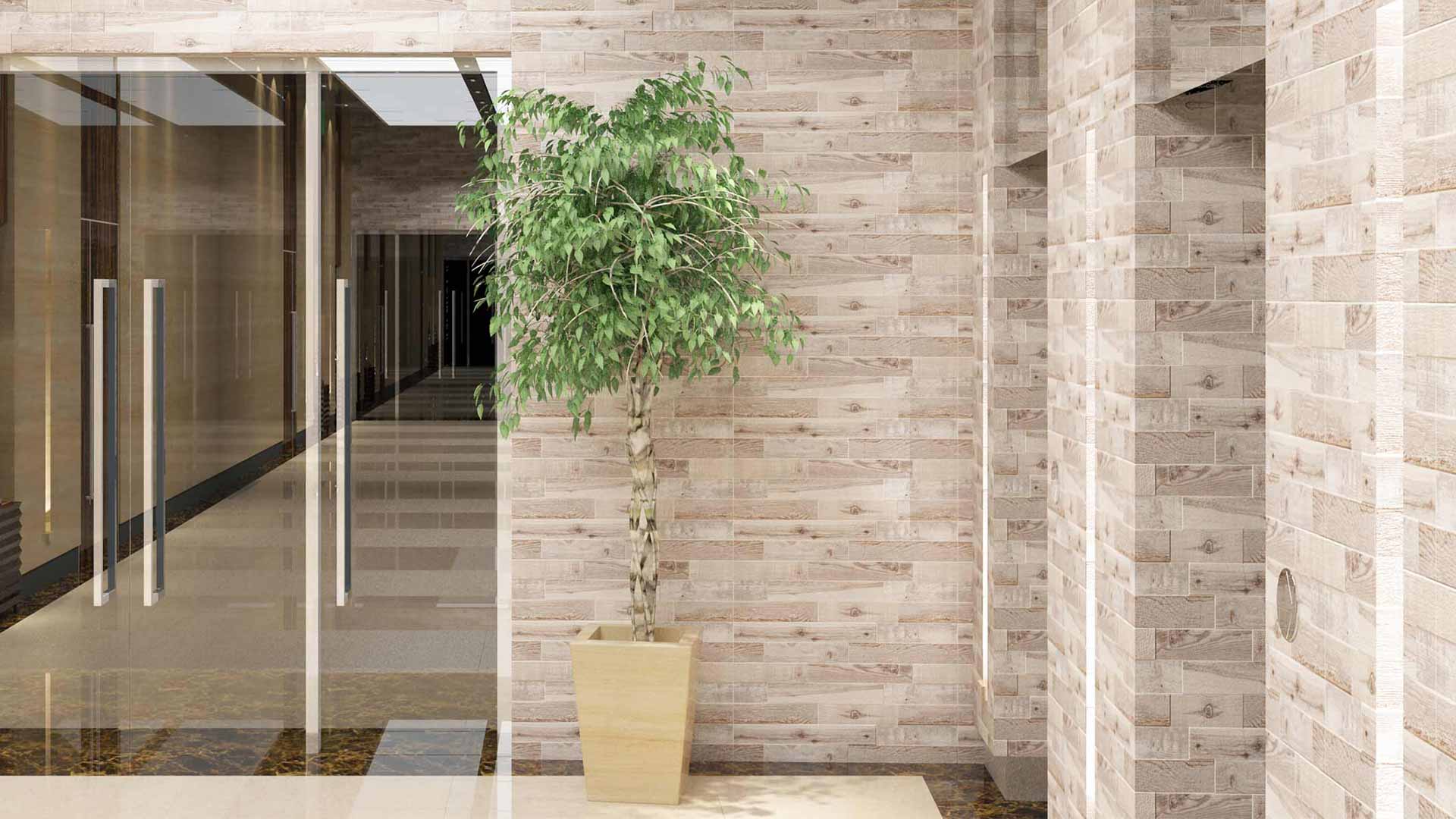
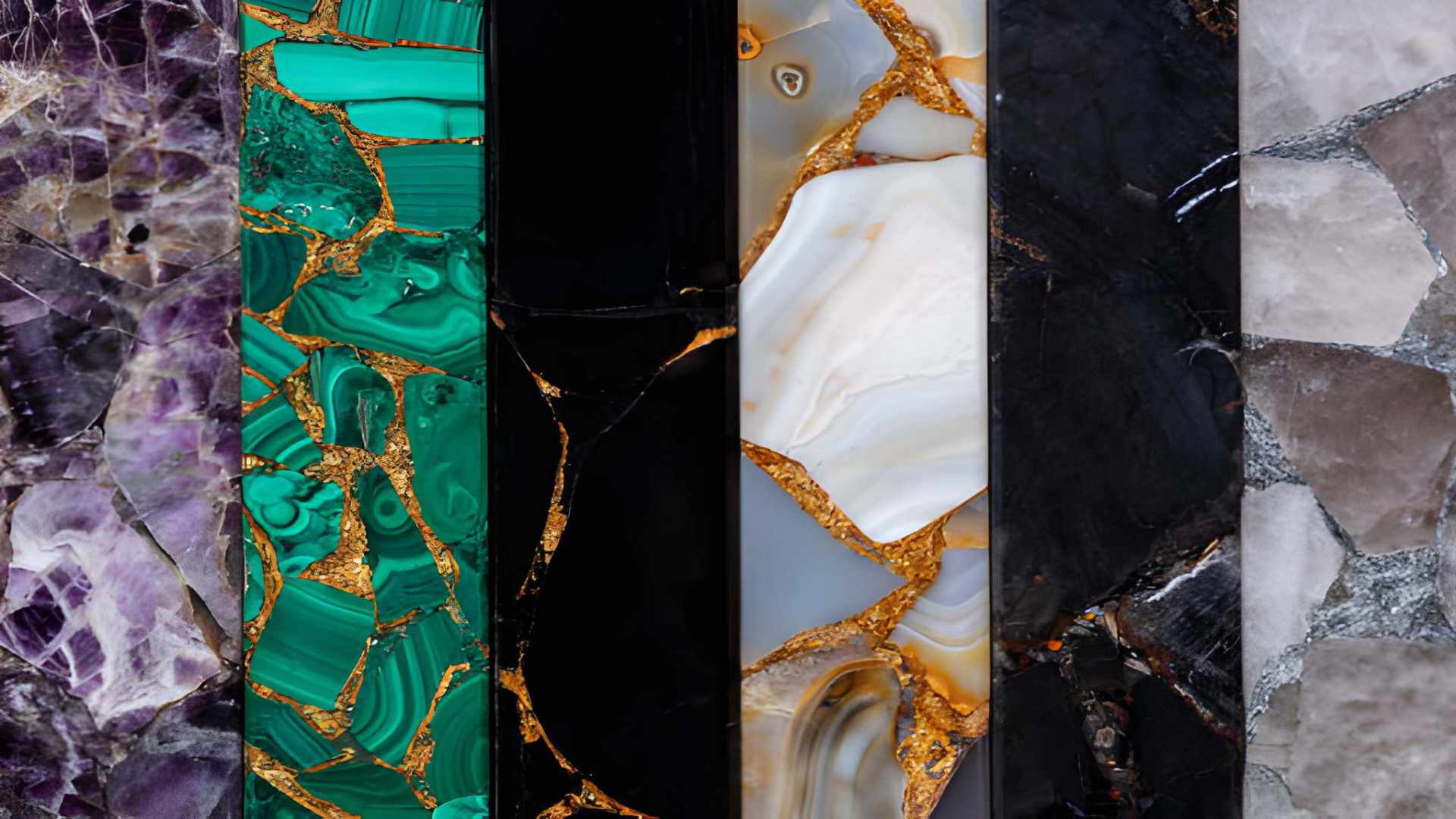
Marble Texture Tiles: A Demonstration of Elegance
Introduction: Marble is a texture that is a popular choice for many uses, such ...
/ 27 January 2026
A good flooring defines the character of a home. When your guests step on the floor of your home, they feel the soothing ambience only when your tile flooring is in good condition. There are endless options for tile flooring. But the question might have arisen in your mind - which tiles are best for floors?
Beautiful glossy tiles might look stunning in a showroom, but when installed in your actual kitchen, wet bathroom, or living room, they might not look as great as you expect. Also, under different lighting conditions, they might look different.
Don’t worry, this is your complete guide on choosing the best floor tiles for your home! You’ll get to know the popular tiles for flooring, which tiles are the most durable, which tiles are best suited for which area of your home, and lastly, some additional tips.
So, without further ado, let’s get started!
By material, there are only two types of tiles: ceramic and porcelain. Considering the design, finish, texture, and manufacturing process, there are some other types. Here are some popular types of tiles you’ll find in your nearest DBL display centers.

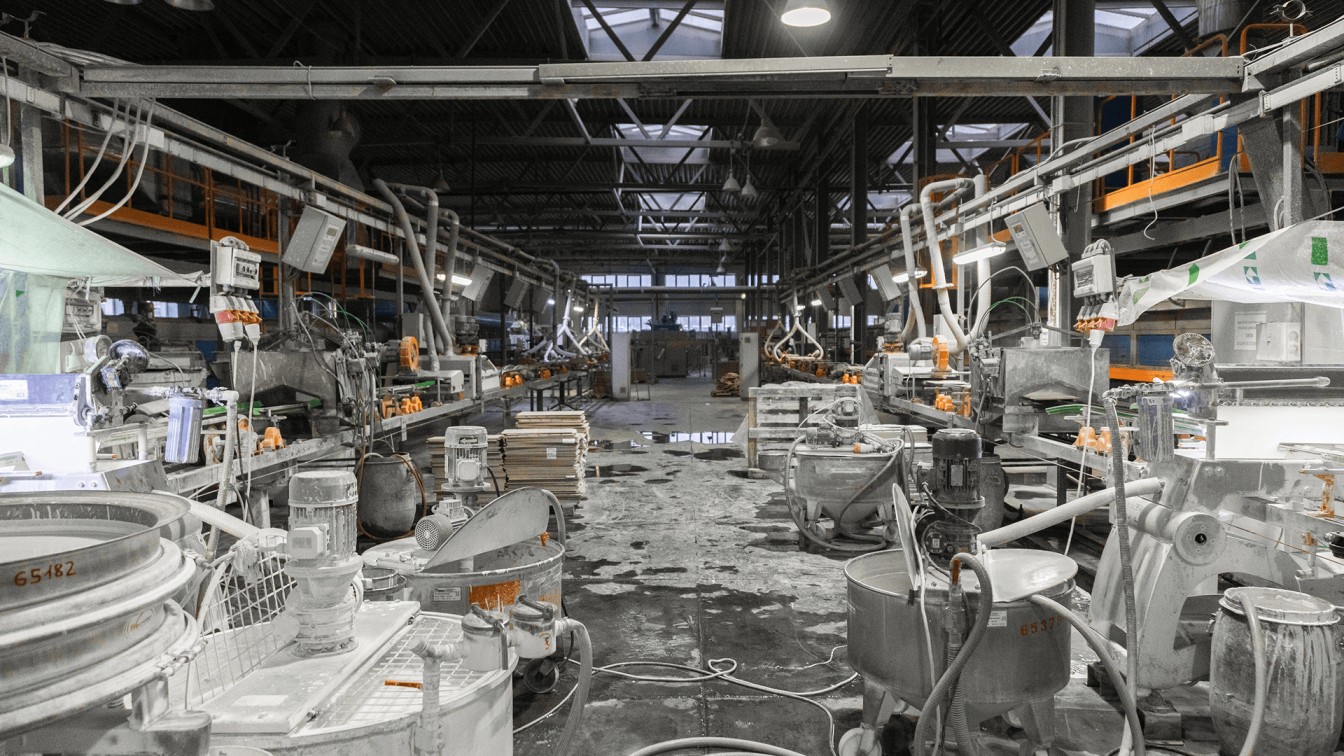
Ceramic tiles are made mostly with sand, white clays, talc, feldspar, illitic and kaolinitic clay, calcite, dolomite, and water. The mixture is pressed in a special mold to give the tiles the desired shape. Even though they are compressed under high pressure, they retain some moisture when released from the molds. It helps to prevent fragility and keeps the tiles’ shape in good condition. After printing the designs on the tiles, they are fired at 900°C to 1200°C. This part is crucial as it makes the tiles durable and long-lasting. You’ll get ceramic tiles with diverse designs, mostly used for their cost-effectiveness. They are thicker compared to porcelain tiles and have a higher water absorption rate. Due to the lower density, ceramic tiles are used as floor tiles for low-traffic areas.

Porcelain tiles are denser than ceramic tiles, which are made with almost the same materials. The proportions of the raw materials are engineered slightly, depending on the design, required textures, patterns, etc. Unlike ceramic tiles, porcelain tiles are fired at 1200°C to 1500°C for hours. This slow process makes porcelain tiles denser and more durable than ceramic alternatives. They offer the lowest water absorption rate and withstand heavy foot traffic. For their extreme durability, they last for decades in high-traffic areas. Due to this unique property, they are used in bathrooms, kitchens, stairs, patios, and anywhere else where durability is the primary concern.
Read More: Ceramic vs. Porcelain Tiles: The Ultimate Differences.

As the name suggests, glazed porcelain tiles are a type of porcelain tile with a glossy/mirror-like finish on the surface. Like porcelain tiles, they are made with refined clay and minerals. Their elegant look, uncompromised durability, and ability to withstand high traffic make them increasingly popular flooring options for bathrooms, kitchens, living rooms, and outdoor areas.

Anti-slip tiles are commonly used in wet areas like kitchens and bathrooms, where safety is paramount. They come in matte and textured finishes, offering enhanced grip to prevent accidental slipping. Besides bathrooms and kitchens, anti-slip tiles are used as floor tiles in areas constantly exposed to moisture. As durability is a top priority here, almost all anti-slip tiles are made from porcelain.
Vitrified tiles are denser than porcelain tiles. They require almost the same materials as porcelain tiles. The difference is that vitrified tiles are fired at around 1200°C for a long time. The priority here is to make the tiles glass-like without sacrificing durability. As they are extremely durable and fire-resistant, they are also a popular option for residential and commercial flooring. Even though they are comparatively more expensive than porcelain tiles, people choose them for their timeless elegance that lasts for decades.
Here is a quick snapshot on the floor tile materials with short details. Take a look-
|
Tile Type |
Durability |
Maintenance |
Suitable for |
|
Ceramic Tiles |
Moderate. Softer and less dense than porcelain; can crack under heavy impact. |
Low to Medium. Easy to clean, but unglazed versions need sealing to prevent stains. |
Low-traffic areas (bedrooms, guest rooms), interior floors. |
|
Porcelain Tiles |
High. Denser clay fired at higher temps; resistant to scratches, chipping, and frost. |
Low. Highly water-resistant and stain-resistant; does not require frequent sealing. |
High-traffic areas, indoors and outdoors, wet areas (kitchens, baths). |
|
Glazed Porcelain Tiles |
High. The body is durable, though the glazed coating can eventually chip or wear. |
Very Low. The glass-like coating makes them non-porous and very easy to wipe down. |
Residential living areas, hallways, and spaces requiring specific colors/patterns. |
|
Anti-Slip Tiles |
High. Usually made from a durable porcelain or stone base with a textured finish. |
Medium. The rough texture provides grip but can trap dirt, requiring more scrubbing. |
Wet areas (bathrooms, pool decks), outdoor patios, ramps, and elderly-friendly spaces. |
|
Vitrified Tiles |
Very High. Stronger than standard ceramic/porcelain; extremely hard and scratch-resistant. |
Low. Often has a glossy, non-porous surface that repels dust and dirt easily. |
Heavy foot traffic areas, commercial spaces, and modern living rooms. |
Different rooms need different tiles. What works perfectly in your bathroom might be a disaster in your kitchen. Let's break down the best tile choices for each space so you can make smart decisions that you'll love for years.
Your kitchen floor takes a beating from spills, dropped dishes, and constant foot traffic. Porcelain tiles are your hero here. They're super durable, water resistant, and easy to clean. Go for matte or textured finishes to avoid slipping when things get wet.
Safety first in the bathroom! Porcelain and ceramic tiles both work great, but make sure you choose textured surfaces for grip. Smaller tiles with more grout lines also help prevent slips. Want that spa feeling? Natural stone like slate adds warmth and character.
Comfort matters in spaces where you relax. Wood look porcelain tiles give you that cozy vibe without the maintenance headaches. They feel warmer underfoot than traditional tiles and add serious style points. Pair them with area rugs for extra comfort in bedrooms.
Check out for details: How to choose tiles for a living room.
These high traffic zones need tough tiles that can handle mud, dirt, and constant footsteps. Heavy duty porcelain in darker shades or patterns hides dirt better between cleanings. Choose slip resistant finishes, especially if rain or snow gets tracked inside.
Moisture is your biggest enemy in basements. Porcelain tiles laugh in the face of dampness and won't warp or crack. Luxury vinyl tiles also perform well here and feel warmer on your feet. Skip natural stone unless your basement stays bone dry.
Your outdoor tiles need to handle whatever weather throws at them. Porcelain pavers made for exterior use resist frost and won't fade in the sun. Natural stone like granite or slate looks stunning and provides natural slip resistance that keeps everyone safe.
Detergent spills happen. Appliances leak. Your laundry room needs tiles that can take it. Ceramic or porcelain in medium to large sizes makes cleanup a breeze. This smaller space is perfect for trying bold patterns or fun colors you might shy away from elsewhere.
Your garage needs tiles tough enough to handle car weight, oil drips, and heavy tools. Unglazed porcelain or specialized garage tiles are built for this punishment. Look for high abrasion resistance and anti-slip properties to keep things safe and functional.
The bottom line? Match your tile choice to how you actually use each room. Your home will look better and your floors will last longer when you choose wisely.
Picking the perfect floor tiles doesn't have to feel overwhelming. Follow these simple steps and you'll make a choice you're happy with every time you walk through your door.
Start by thinking about what happens in the room. Is it a wet area like a bathroom? Does it get tons of foot traffic? Will kids or pets be running around? Understanding your room's reality helps you narrow down options fast.
Water changes everything when it comes to tile selection. Bathrooms, kitchens, and laundries need tiles with low water absorption rates. Porcelain is your best friend here. Drier rooms like bedrooms give you more freedom to explore different materials.
Be honest about how much action your floor will see. Entryways and hallways need heavy duty tiles that won't chip or wear down. Bedrooms can handle more delicate options. Check the PEI rating, which tells you how tough the tile really is.
Nobody wants to take an unexpected slide across their floor. Look for tiles with textured or matte finishes in areas that might get wet. The COF rating measures slip resistance. Higher numbers mean better grip, especially important for bathrooms and kitchens.
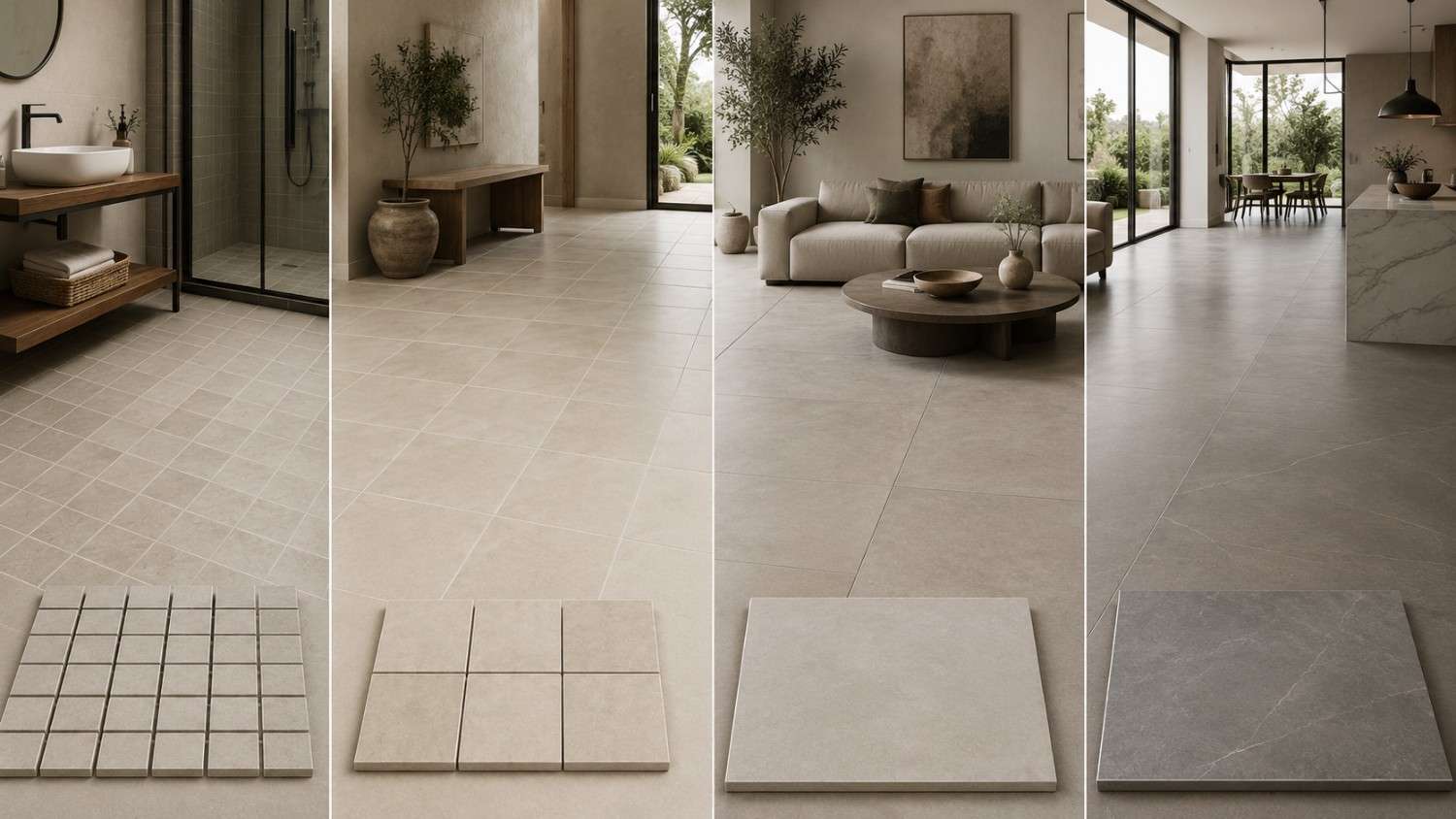
Tile size dramatically affects how your space feels. Large format tiles make small rooms look bigger and have fewer grout lines to clean. Smaller tiles work better on floors that need slopes for drainage. Mosaic tiles add visual interest in accent areas.
Now comes the fun part. Porcelain offers incredible durability and versatility. Ceramic costs less but works great in lighter traffic areas. Natural stone brings unique character but needs more maintenance. Luxury vinyl gives you style with serious comfort.
Light tiles make spaces feel open and airy but show dirt more easily. Dark tiles hide grime better but can make rooms feel smaller. Patterns add personality and help disguise imperfections. Think about your existing decor and what makes you smile. If you want to know in more details, check out another discussion on how to choose floor tiles color.
Quality tiles are an investment that pays off over time. Set a realistic budget that includes the tiles, installation, underlayment, and grout. Remember that cheaper tiles might cost you more later in replacements. Sometimes spending a bit more upfront saves you money long term.
How much time do you want to spend cleaning and maintaining your floors? Porcelain and ceramic need minimal care. Natural stone requires regular sealing and special cleaners. Be realistic about what you'll actually do, not what you think you should do.
Always get samples before buying. See how tiles look in your actual lighting throughout the day. Walk on them. Spill some water on them. Make sure they feel right. Most retailers offer samples for free or a small fee that's worth every penny.
Trends come and go, but your floor sticks around for years. Choose something you'll still love in five or ten years. Classic styles in neutral tones give you flexibility to change your decor without ripping up your floors.
When in doubt, talk to a flooring expert or contractor. They've seen it all and can steer you away from costly mistakes. A quick consultation now can save you thousands in regrets later. Their experience is invaluable, especially for tricky installations.
Follow these steps and you'll end up with floors that look amazing, perform beautifully, and fit your lifestyle perfectly. The right tile choice makes every room in your home better.
Choosing the right floor tiles doesn't have to be complicated. Whether you're renovating your kitchen, updating your bathroom, or transforming your entire home, the perfect tile is out there waiting for you. Remember to balance practicality with style, consider how you actually live in your space, and don't rush the decision. Take your time exploring options, grab those samples, and trust your instincts. The floors you choose today will be under your feet for years to come, so make them count. With this guide in hand, you're ready to create beautiful, durable floors that truly feel like home.
Introduction: Marble is a texture that is a popular choice for many uses, such ...
Whether you agree with it or not, a house's bathroom is an essential space for p...
Do you ever feel like your tiny bathroom is enclosing you? Does it still seem cl...
Floor tiles is the most important element in making a home look modern nowadays....
The world is going ahead in every sector, including technology, agriculture, edu...
Have you ever entered a room that instantly amazes you? Alongside the decoration...
Tiles are not just for decoration. Good tiles with good and classy designs add b...
A small living room is intimate, cosy, and quite challenging to decorate! A smal...
What immediately comes to your mind when you think of remodelling your home? W...
When walking across a tile floor, you may notice scratching, cracking, or bounci...
People often stress about kitchen backsplashes, living room tiles and even porch...
Good walls make good impressions. The first thing people notice about your prope...
When discussing the floor, most people still continue to use the same concept of...
When designing or renovating a home, the bathroom often becomes an afterthought,...
The phrase "homogeneous tiles" can be used to select tiles for your house or pla...
Carpet tiles, also known as carpet squares, are small, east-cut carpet pieces th...
Standing on your shining floor in a lazy afternoon, one curiosity might have str...
Imagine stepping into your kitchen after a long day in the bustling streets of D...
Let's be honest: your kitchen tiles have seen better days. Between the tomato sa...
Have you ever walked into your kitchen, looked around, and felt like something j...
Have you ever walked into someone's living room and immediately felt l...
The kitchen is often considered the heart of the home. It is a place where meals...
The use of wall tiles in modern home decor is a necessity, as this product combi...
You walk into a tiles showroom thinking it will take thirty minutes. Two hours l...
Imagine two buildings side by side somewhere in Dhaka. The first monsoon rain of...
You are standing in a tile showroom somewhere in Tejgaon or Mirpur. You have fou...
Your living room is the first thing guests see and the last space you relax in a...
Choosing the right floor tiles size can completely transform how a room look...
In Bangladesh, our kitchens work extra hard. Between high humidity, daily heat, ...
Have you ever walked into a bedroom and felt instantly calm? Not because of the ...
Suppose you walk into an office in Gulshan or Banani. Before you even see the re...
If you have ever slipped on a wet bathroom floor or watched a family member lose...
Standing in a tile showroom, staring at two nearly identical glossy floor tiles,...
Walk into any tile showroom in Dhaka and you will notice a familiar pattern. Buy...
If you are planning a construction or renovation project and searching for a dur...
When you walk into a tile showroom in Dhaka , you will almost certainly see t...
Walk into almost any busy shop, office lobby or family home in Dhaka and look cl...
In most Dhaka apartments, the balcony works harder than any other part of the ho...